
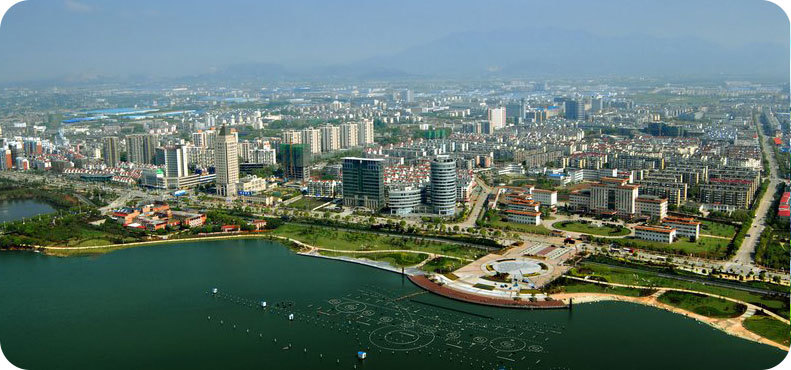
Anqing is located in the southwestern part of Anhui Province, on the north bank of the lower reaches of the Yangtze River, at the confluence of the Wan River. It has long been known as 'the throat of the Yangtze River for thousands of miles, the first prefecture dividing Wu and Chu.' The city has a northern subtropical humid monsoon climate with four distinct seasons and abundant rainfall, with an average annual temperature of about 16.5°C.
Anqing has a long history, with records of city construction dating back to the Eastern Zhou period. The city was fortified in the 10th year of the Jiading era of the Southern Song Dynasty (1217 AD). From the 25th year of the Qianlong reign of the Qing Dynasty (1760 AD) to the 26th year of the Republic of China (1937 AD), it served as the capital of Anhui Province and was the political, economic, and cultural center of modern Anhui.
Anqing is the birthplace of Huangmei Opera, where masters like Yan Fengying grew up. It has a profound cultural heritage, including intangible cultural heritages such as the Tongcheng School, Hui Opera, and Yuexi Gaoqiang. The local cuisine is famous for river delicacies and mountain specialties, such as Jiang Mao Dumplings, Anqing Fried Rice, and Taro Flour Balls.
Modern Anqing is an important city in the Yangtze River Economic Belt, home to the national-level Anqing Economic and Technological Development Zone, focusing on industries like auto parts and new chemical materials. The city also emphasizes ecological protection, with projects like Linghu Scenic Area and Kangxi River Landscape Belt.
The best time to visit 安庆 is Spring and autumn (March-May, September-November) offer pleasant weather..
Spring (March-May): temperatures rise, flowers bloom, especially the rhododendron sea on Mount Tianzhu, perfect for hiking and sightseeing.
Summer (June-August): hot and rainy, but you can enjoy the lotus at Linghu Lake and the night view of the Yangtze River; beware of heat.
Autumn (September-November): clear and crisp, the best time to visit Mount Tianzhu and the ancient city, with colorful leaves and abundant produce.
In the 10th year of Jiading, Southern Song Dynasty, Anqing Prefecture built its city walls to defend against Jin troops, marking the official establishment of the city.
In the 25th year of Qianlong, Qing Dynasty, the Anhui Provincial Administration moved from Jiangning to Anqing, making it the provincial capital until 1937.
During the Taiping Rebellion, the Taiping Army captured Anqing and used it as a key military stronghold, engaging in a decade-long seesaw battle with Qing forces.
Recommended places to visit
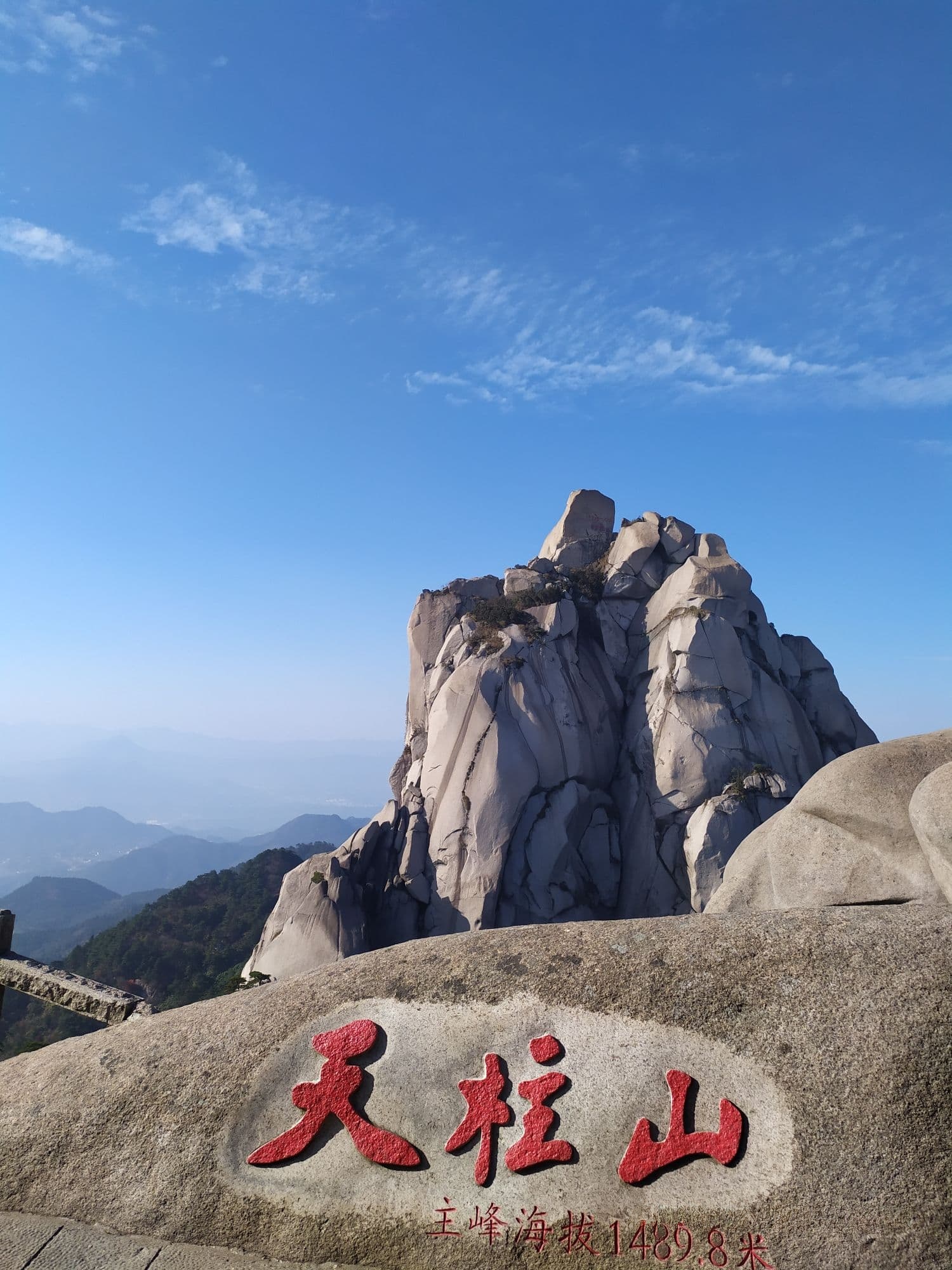
UNESCO Global Geopark, 5A scenic area, famous for strange peaks, grotesque rocks, sea of clouds, and Buddha's light. Main peak Tianzhu Peak is 1489.8m high.
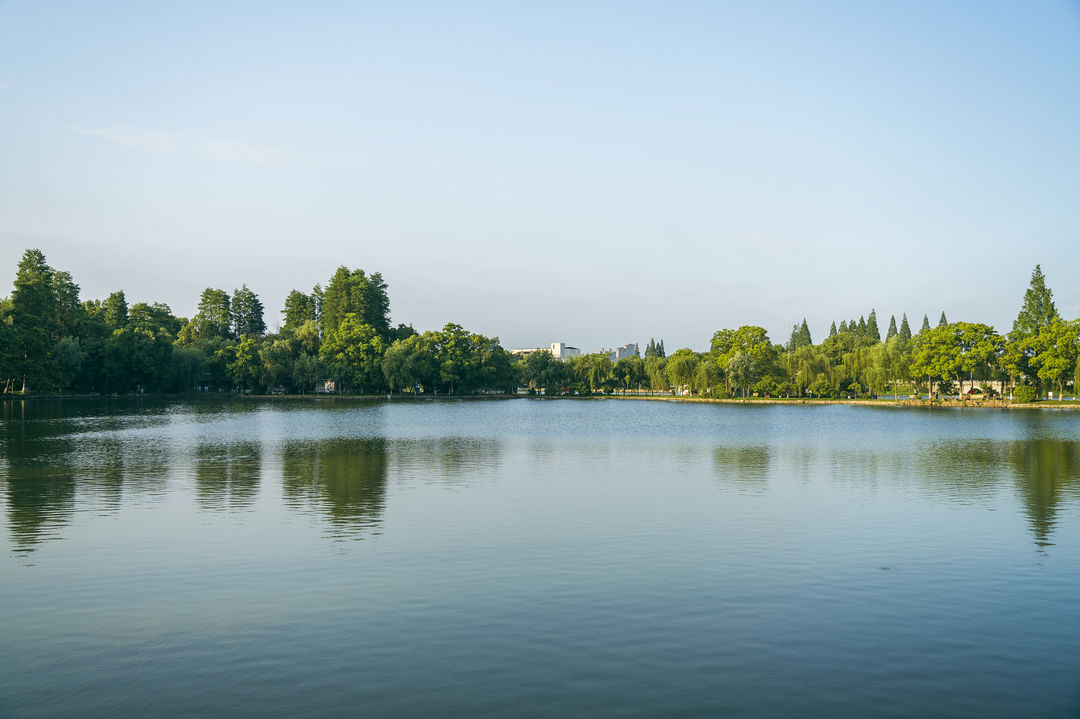
4A scenic area comprising Linghu, Lianhu, Donghu, and Xihu lakes. It is the green lung of Anqing, with lotus flowers in summer.
Explore rich intangible cultural heritage and traditional crafts
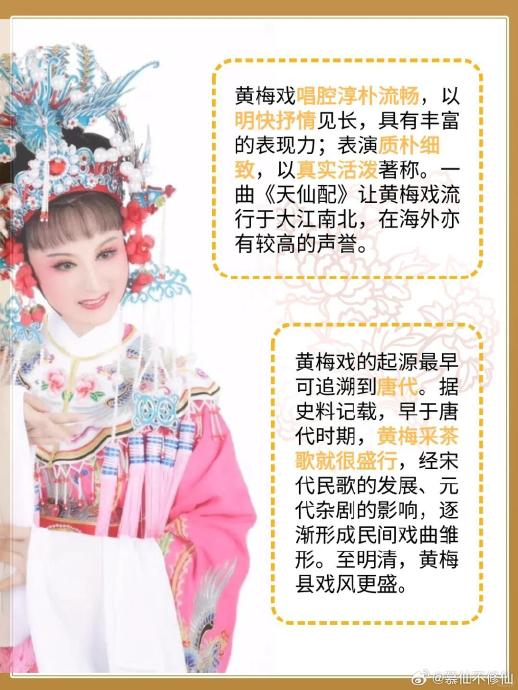
Anqing is the birthplace of Huangmei Opera, inscribed on the first batch of National Intangible Cultural Heritage. Representative works include 'The Fairy Couple' and 'The Female Consort.'
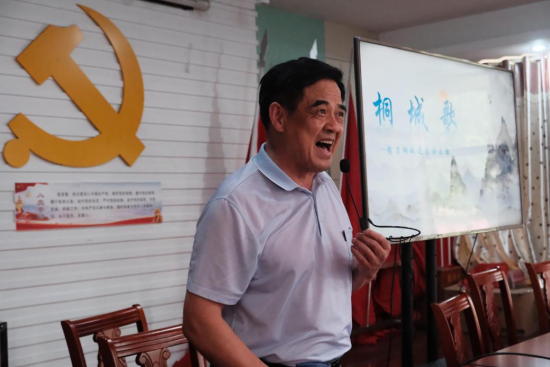
Folk songs popular in Tongcheng area, diverse in form, vivid in language, reflecting local life, listed as National Intangible Cultural Heritage.
Must-know transportation for exploring the city
Located in the northern suburb, with flights to major cities like Beijing, Shanghai, Guangzhou, and Shenzhen. About 10 km from city center.
Varies by route
Intersection of Nanjing-Anqing and Hefei-Anqing high-speed railways, direct to Nanjing, Hefei, Shanghai, Wuhan, etc. About 2 hours to Hefei.
About 80 RMB from Hefei to Anqing
The bus system covers main urban areas and attractions. Fare 1-2 RMB, supports mobile payment. Taxi starting fare 7 RMB.
1-2 RMB
Taste the most authentic and popular local specialties
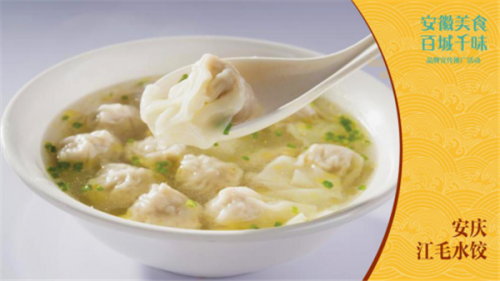
Traditional Anqing snack, actually wontons with thin skin and tender filling, in a delicious broth. Named after founder Jiang Mao.
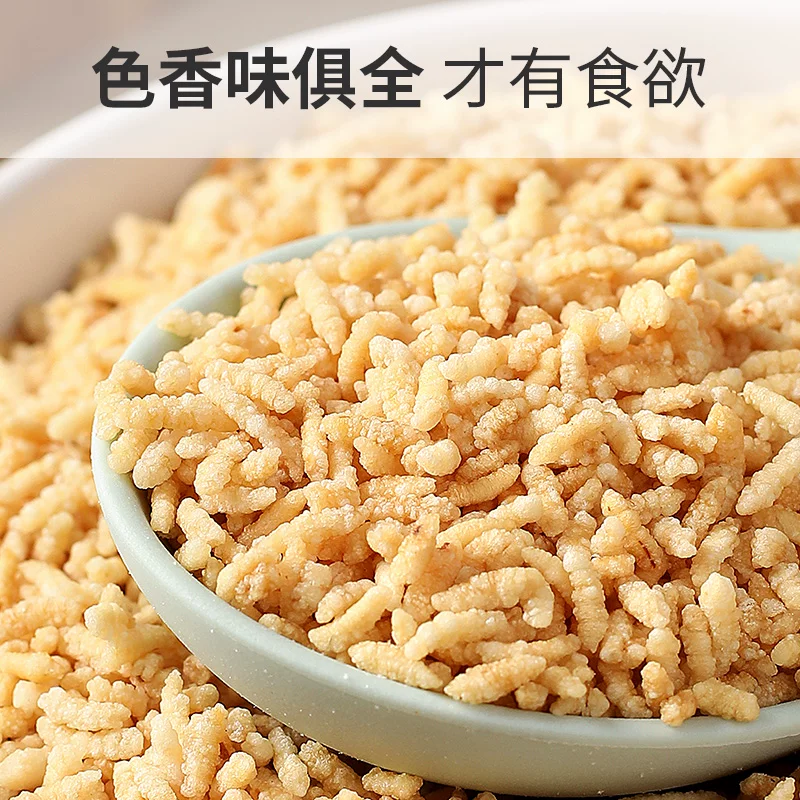
Made from glutinous rice, crispy and delicious, often eaten as a snack or with rice soup, a must-have for Anqing people during Chinese New Year.
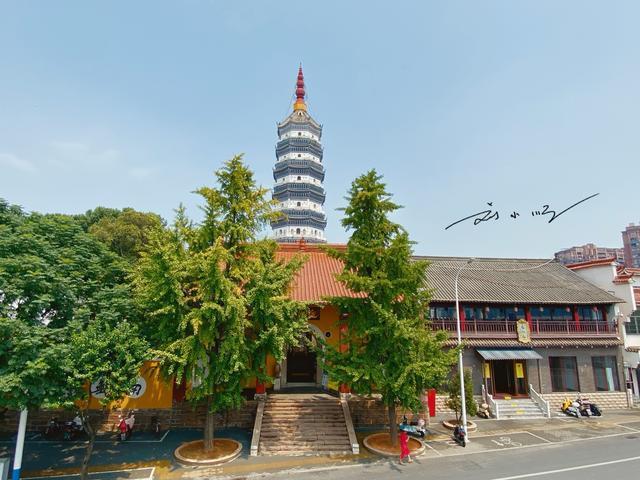
Built in the Northern Song Dynasty, a famous ancient temple along the Yangtze River. The Zhenfeng Pagoda inside is a landmark of Anqing, known as 'the first pagoda on the Yangtze River.'
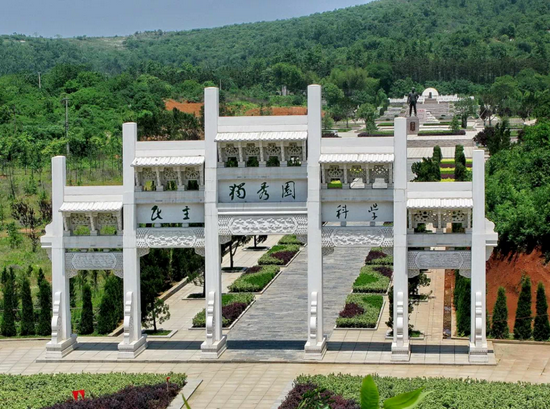
The tomb garden of Chen Duxiu, a 4A scenic area commemorating the leader of the New Culture Movement. The garden is solemn, with an exhibition hall displaying his life.
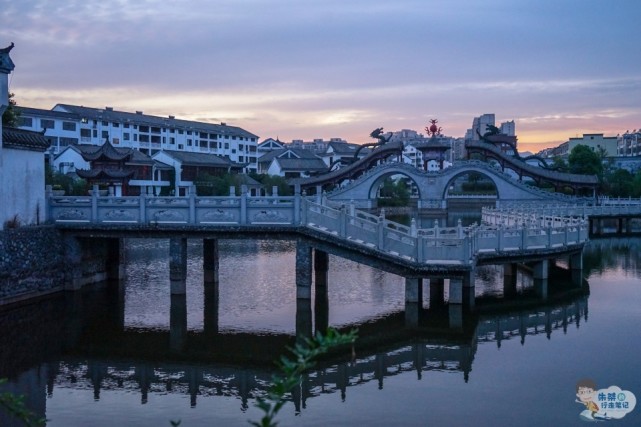
Located in the old town, preserving the street layout of Ming and Qing dynasties, with historical blocks like Daopashi Street and Guohuo Street, offering a glimpse of ancient city style.
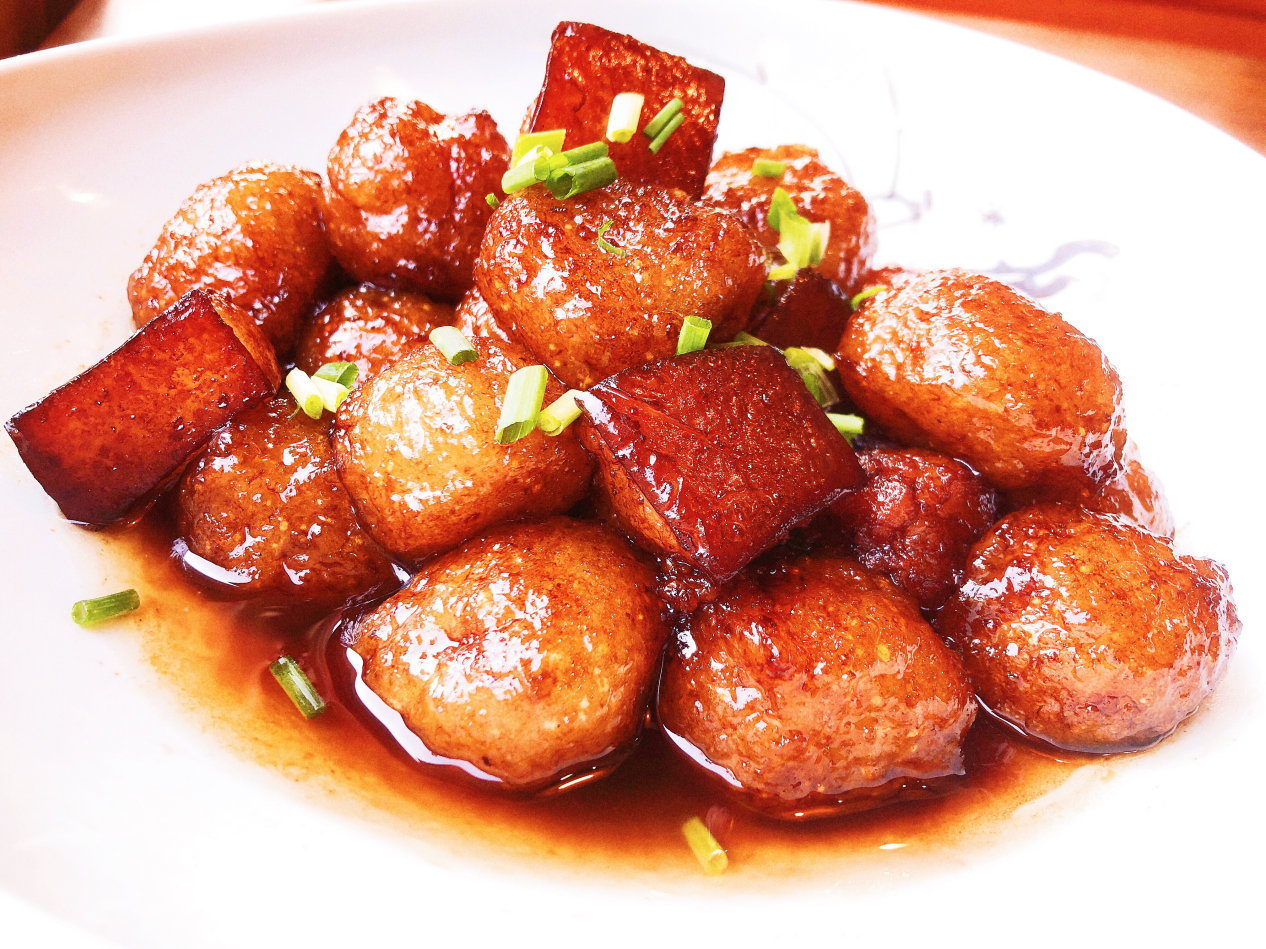
Home-style Anqing dish: taro flour balls braised with pork belly. The balls are chewy and the pork is rich in flavor.
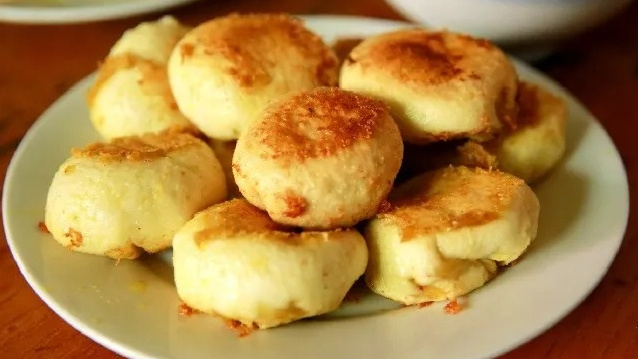
Special Anqing snack: beef-filled buns with soft dough and crispy bottom, bursting with juice when bitten.
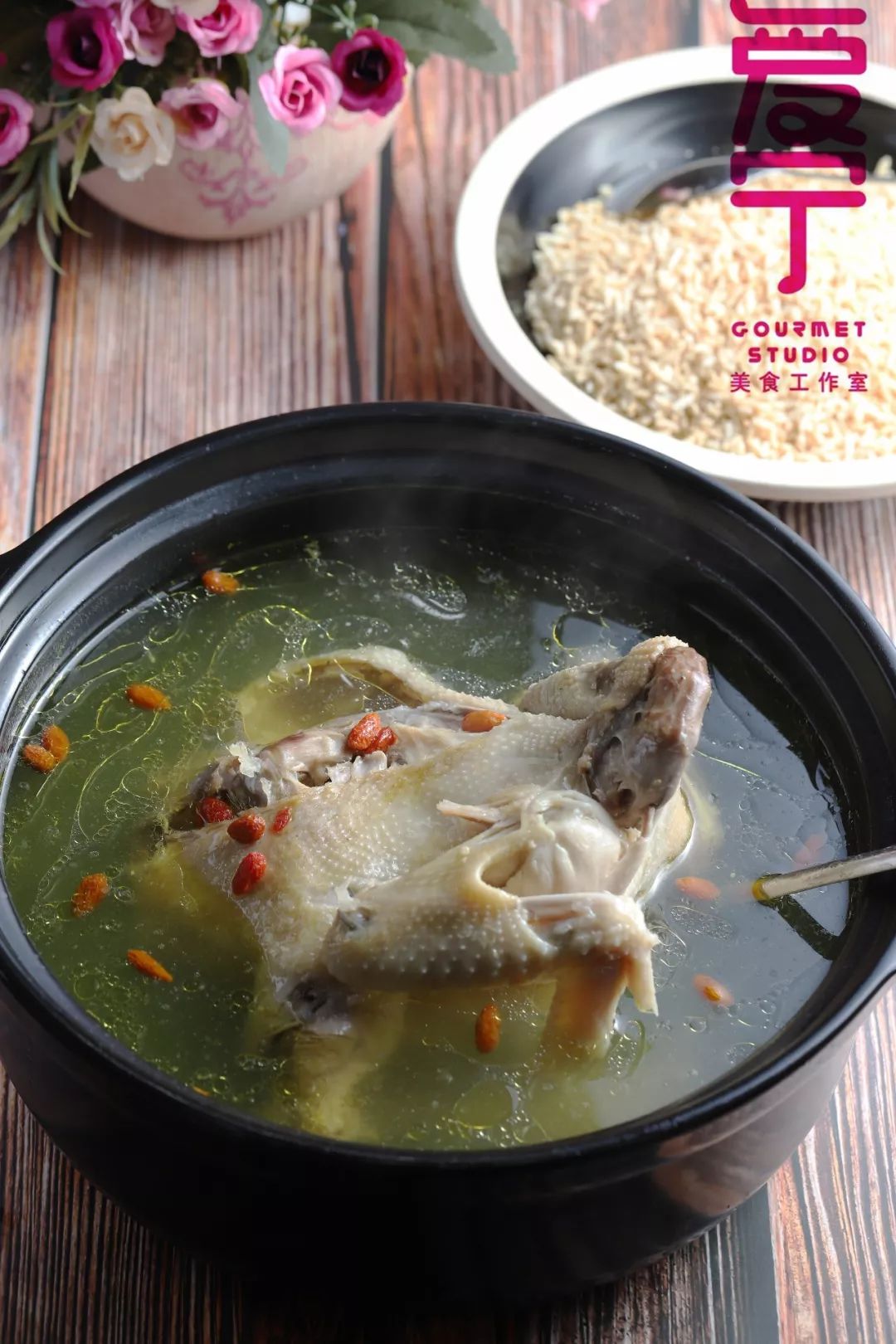
Soak Anqing fried rice in chicken soup. The rice stays crispy, and the soup is delicious, a local treat for guests.