

Ankang is located in the southeastern part of Shaanxi Province, deep in the Qinba Mountains and the middle-upper reaches of the Han River. It has a subtropical continental monsoon climate with distinct seasons, abundant rainfall, and high forest coverage, earning it the nickname 'Xi'an's Back Garden.'
Ankang has a long history, formerly known as 'Jinzhou,' and is an important birthplace of Han River culture. Human activities date back to the pre-Qin period, and it became a commercial hub during the Ming and Qing dynasties due to thriving water transport.
Ankang's culture blends features of Bashu, Jingchu, and Qinlong. Intangible cultural heritage items such as Handiao Erhuang and Ziyang folk songs are rich and colorful. The local cuisine is characterized by Han River fresh fish and selenium-rich agricultural products, with unique flavors like steamed noodles, baked flatbread, and cured meat.
Modern Ankang leverages its selenium resources and ecological advantages to develop green industries and tourism. The Ankang High-tech Zone has become an economic growth pole, and the construction of the Xi'an-Ankang high-speed railway will accelerate its integration into the Xi'an metropolitan area.
The best time to visit 安康 is Best in spring and autumn, pleasant climate.
Spring (March to May) is when the mountains are in full bloom with moderate temperatures, ideal for outings and flower viewing.
Summer (June to August) can be hot, but the Han River banks are cool, and rafting activities are available.
Autumn (September to November) features clear skies and colorful forests, perfect for photography and outdoor sports.
After Qin Shi Huang unified the six states, Hanzhong Commandery was established, and Ankang fell under its jurisdiction, becoming part of the central government's territory.
In the Ming Dynasty, Jinzhou was renamed Xing'an Prefecture, and Ankang became an important city in the Han River basin.
The Ankang region was abolished and prefecture-level Ankang City was established, opening a new chapter of modernization.
Recommended places to visit
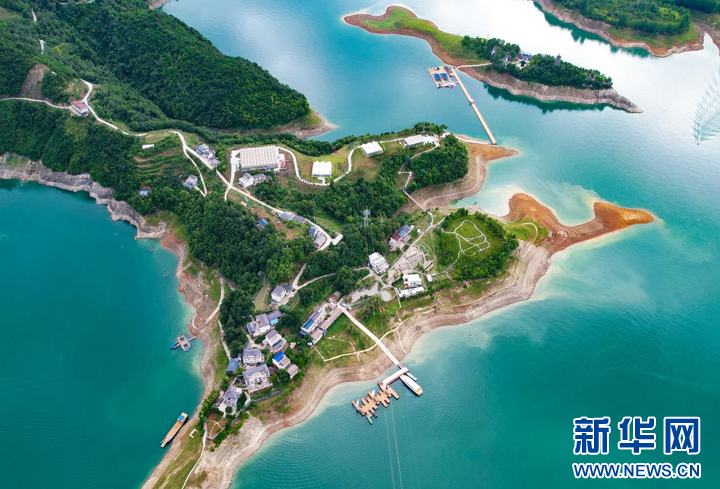
The largest freshwater artificial lake in Northwest China, with picturesque scenery and scattered islands, known as the 'Thousand Island Lake of Shaanxi'.

National Geopark known for peculiar peaks, strange rocks, sea of clouds, and Buddhist halo, a sacred Buddhist site.
Explore rich intangible cultural heritage and traditional crafts

A traditional local opera of Shaanxi, belonging to the Pihuang tune system, with beautiful melodies, listed as a national intangible cultural heritage.

Folk songs popular in Ziyang County, with rich tunes reflecting labor and life, a national intangible cultural heritage.
Must-know transportation for exploring the city
About 15 km from the city center, with flights to major cities such as Beijing, Shanghai, and Guangzhou.
Varies by route
Located in the city center, with high-speed trains to Xi'an, Chengdu, Chongqing, etc. The Xi'an-Ankang high-speed railway is under construction.
Xi'an-Ankang high-speed train about 80 yuan
City bus routes cover major attractions and commercial areas, fare 1-2 yuan, convenient and fast.
1-2 yuan
Taste the most authentic and popular local specialties
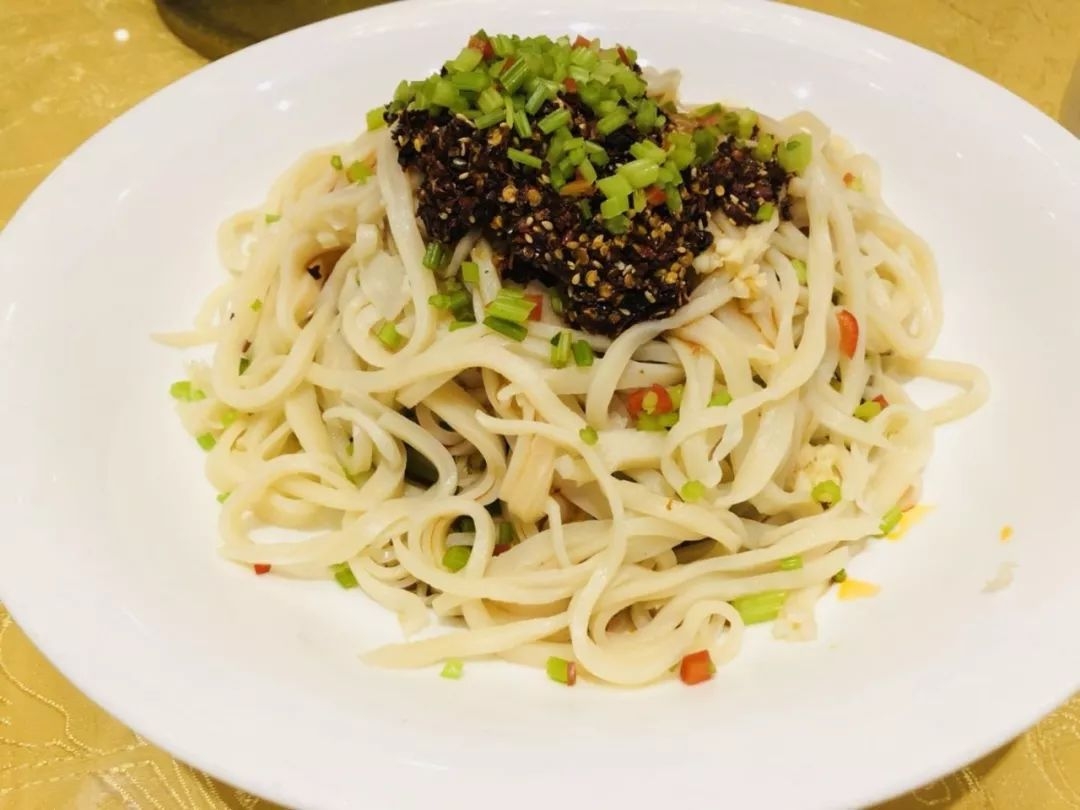
Similar to cold noodles, made from steamed flour, cut into strips and mixed with vinegar, garlic, chili oil, etc., sour and spicy.

A flatbread baked in a pan, crispy outside and soft inside, available in savory and sweet flavors, a local specialty.
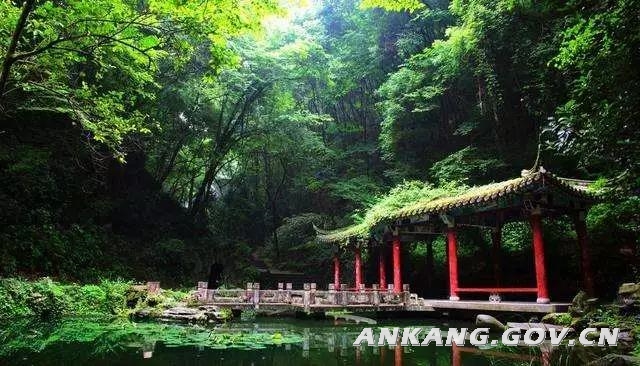
Taoist sacred site, legend says Lü Dongbin once cultivated here, featuring stalactite wonders and babbling streams.
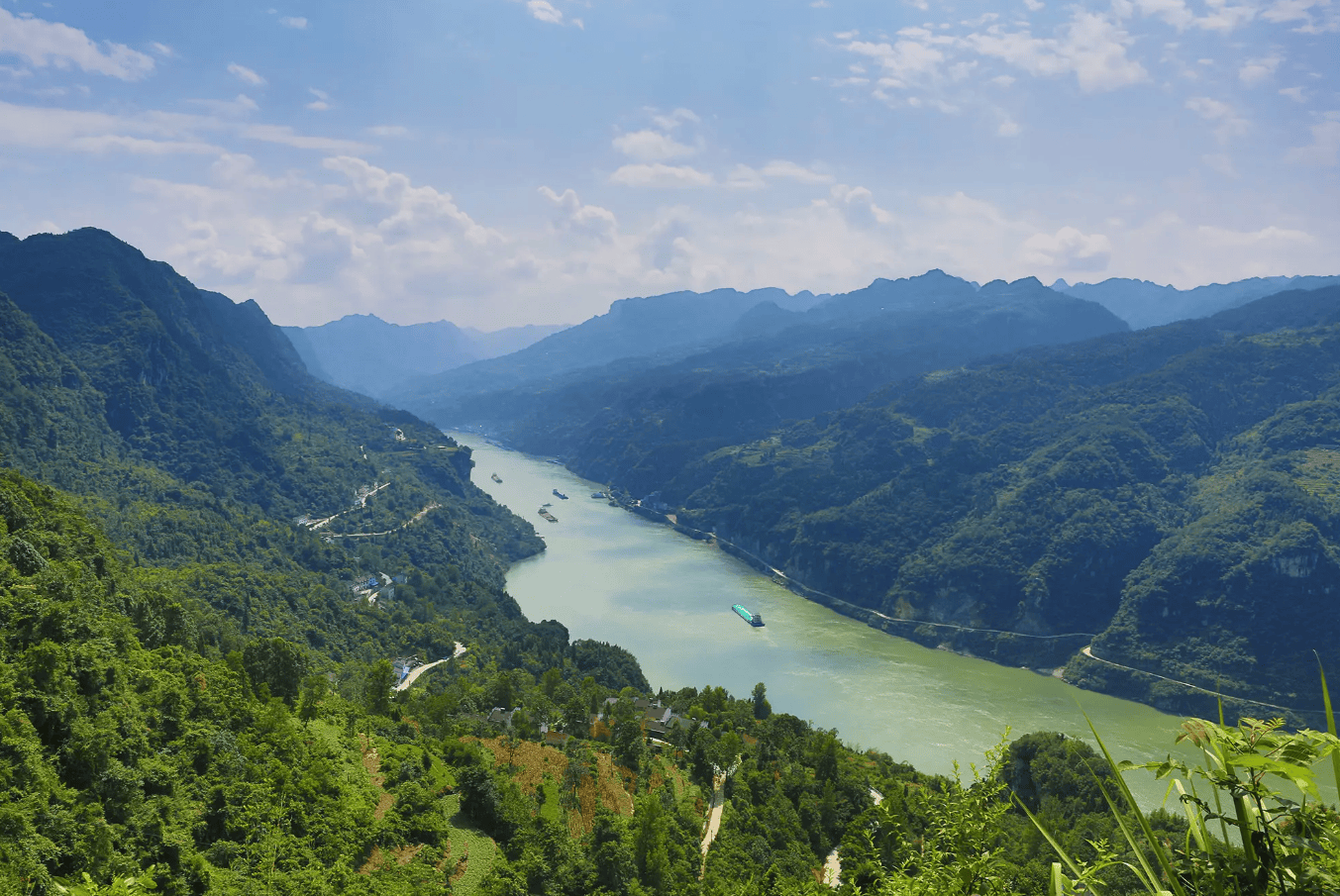
The gorge section of the Han River through Ankang, with green mountains on both sides and emerald water, navigable by boat.
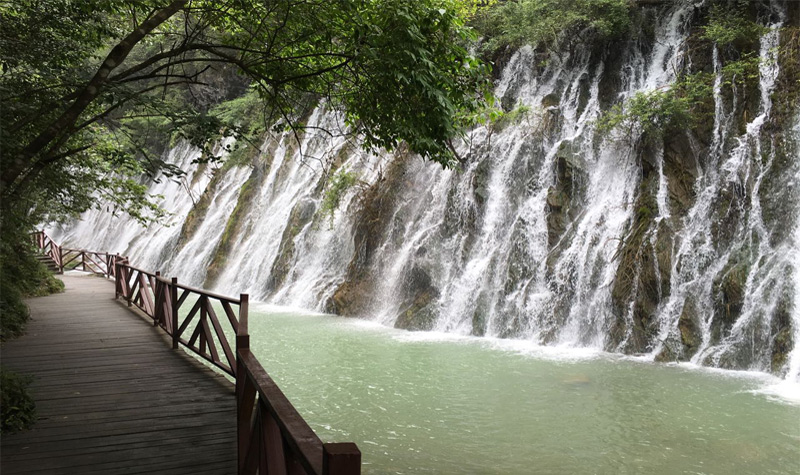
A natural canyon integrating wonder, danger, beauty, and seclusion, with clusters of waterfalls and dense forests.
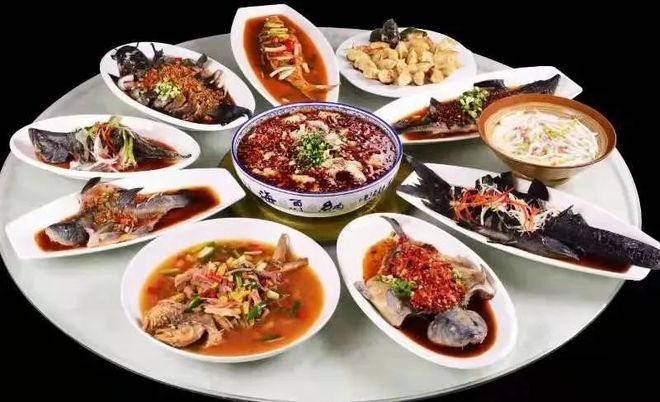
Using fresh fish from the Han River, prepared by steaming, braising, stewing, etc., tender and delicious.

A traditional dish from Ziyang County, steamed in an earthenware pot with pig trotters, chicken, lotus root, etc., rich and flavorful.
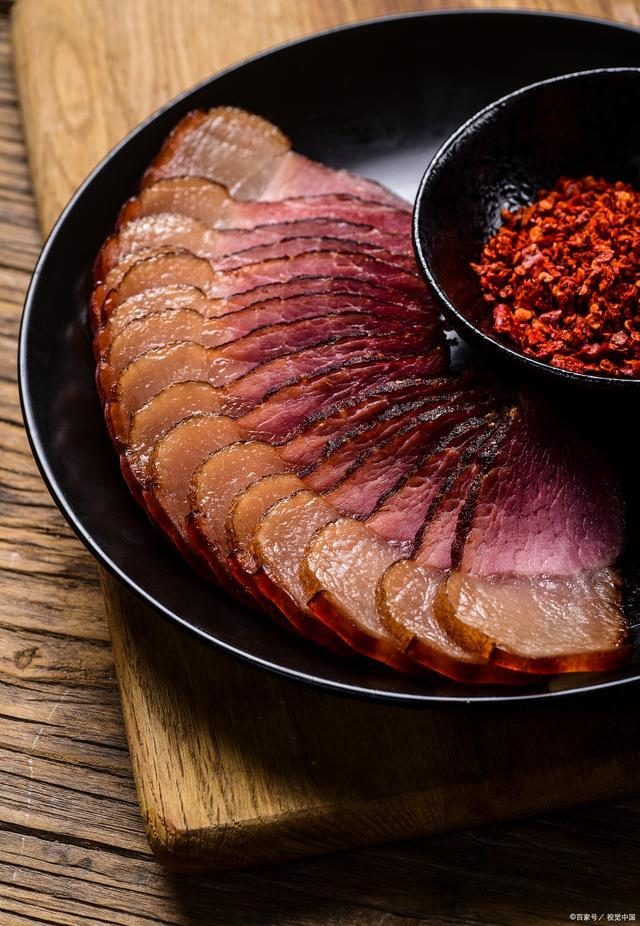
Made from local free-range pork, cured and smoked, bright red in color, savory and delicious, can be stir-fried or steamed.