
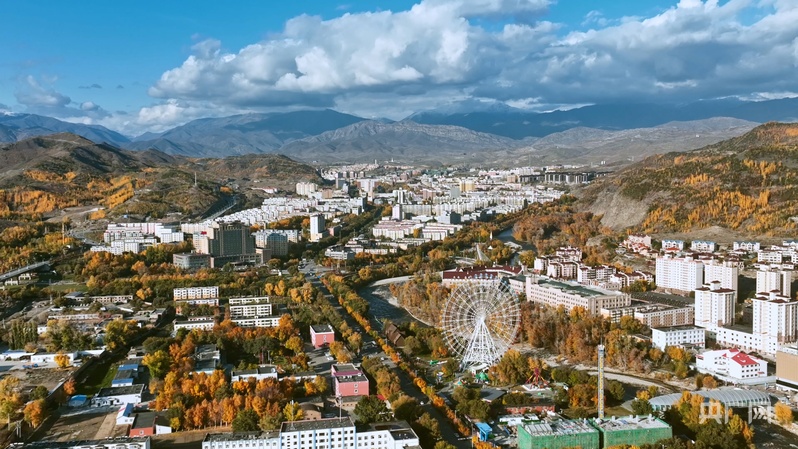
Altay is located in northern Xinjiang at the southern foot of the Altai Mountains. It is one of the coldest regions in China, with long, harsh winters and short, cool summers. Rich in snow and ice resources and stunning natural scenery, it is known as the 'Snow Capital.'
Altay has a long history as a settlement for ancient nomadic peoples. It belonged to the Xiongnu in the Han Dynasty, was under the Beiting Protectorate in the Tang Dynasty, and had the Altay Administrative Commissioner in the Qing Dynasty. The Altay region was established in 1954 and is now an important border tourism city.
Altay is home to ethnic minorities such as Kazakhs and Mongols, with diverse cultures. Local specialties include roast whole lamb, hand-grabbed meat, kumis, and baursak. Winter ice festivals, horse racing, and goat grabbing events are full of ethnic flavor.
In recent years, Altay has been developing tourism vigorously. Jiangjun Mountain Ski Resort has become a nationally renowned ski destination, Altay Airport has been expanded, and transportation is increasingly convenient. At the same time, ecological protection is emphasized for sustainable development.
The best time to visit 阿勒泰 is Best for skiing in winter, also good for summer escape.
Winter (November to March) is the golden season, with deep snow and excellent snow quality for skiing, snowmobiling, and other ice activities.
Summer (June to August) is cool and pleasant, with green grasslands, ideal for escaping heat and photography, such as visiting Kanas Lake.
Spring and autumn (April-May, September-October) have moderate temperatures but less spectacular scenery, suitable for those who prefer fewer crowds.
Altay region has been an area of nomadic activities since ancient times, such as the Xiongnu and Turks.
The Qing government established the Altay Minister to strengthen governance over the region.
Altay Prefecture was formally established as an administrative region of Xinjiang.
Recommended places to visit
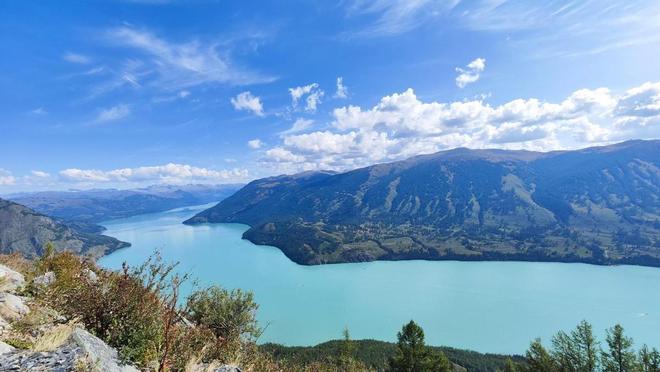
Known as 'fairyland on earth', the lake changes color with seasons, famous for the lake monster legend.
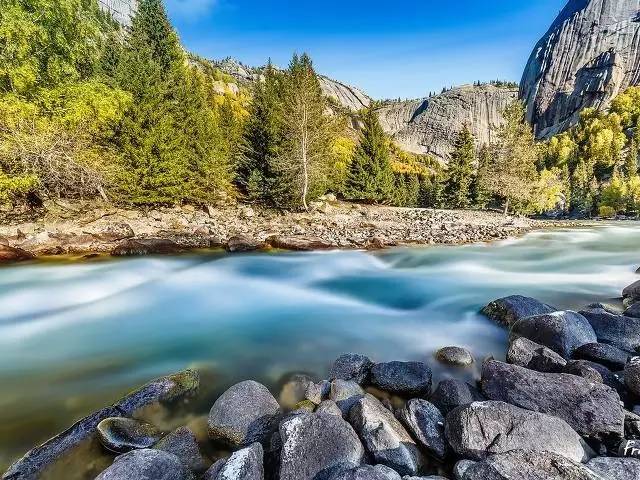
Famous for geological wonders and the Irtysh Grand Canyon, colorful in autumn.
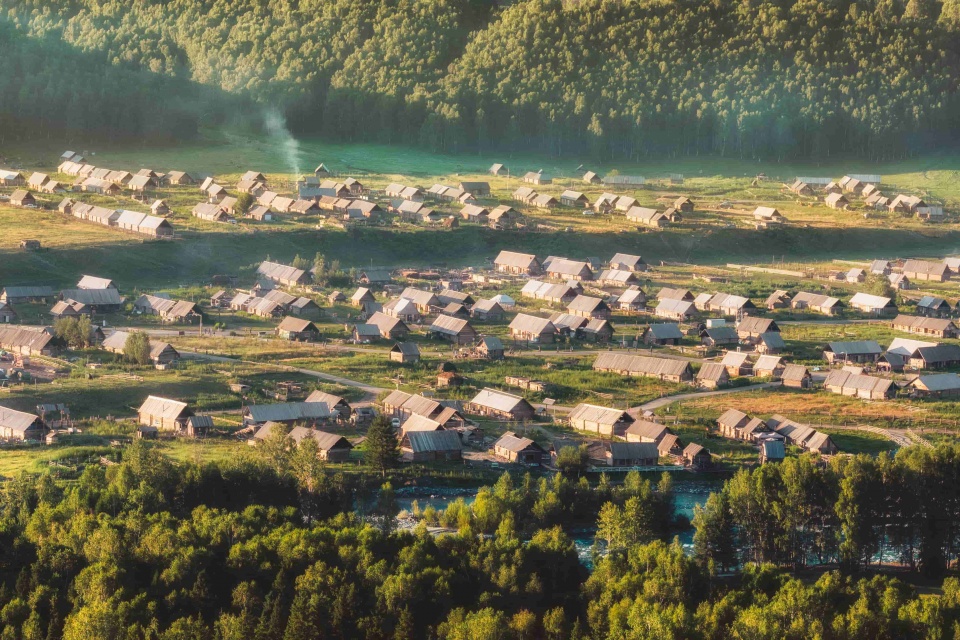
Explore rich intangible cultural heritage and traditional crafts
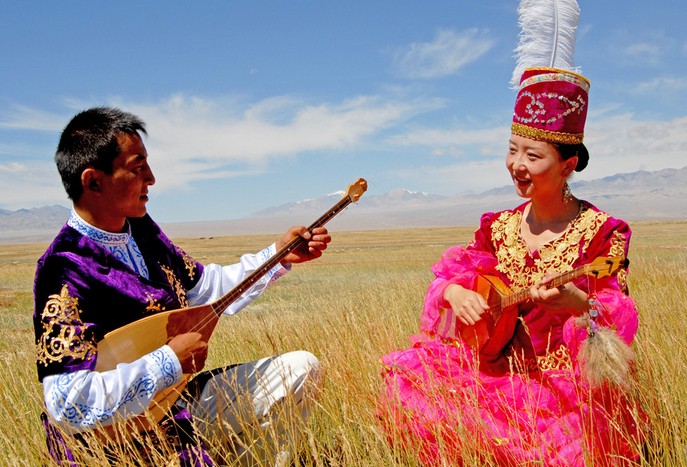
Improvised singing by Kazakh folk singers accompanied by dombra, covering history and love.
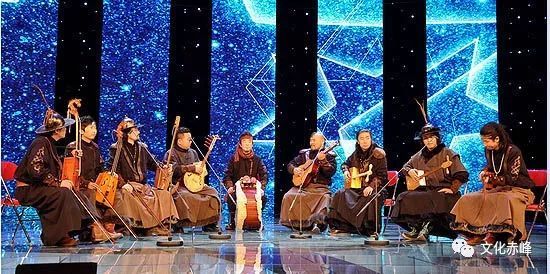
Ancient Mongolian singing art, producing multiple tones simultaneously, imitating nature.
Must-know transportation for exploring the city
Flights to Urumqi, Beijing, Xi'an, etc., with ski season special flights in winter.
From about 800 yuan to Urumqi
High-speed trains to Urumqi, about 7 hours.
Hard seat about 120 yuan
Multiple bus routes within the city, long-distance coaches to Kanas, Keketuo Sea, etc.
City bus 1 yuan, long-distance varies
Taste the most authentic and popular local specialties
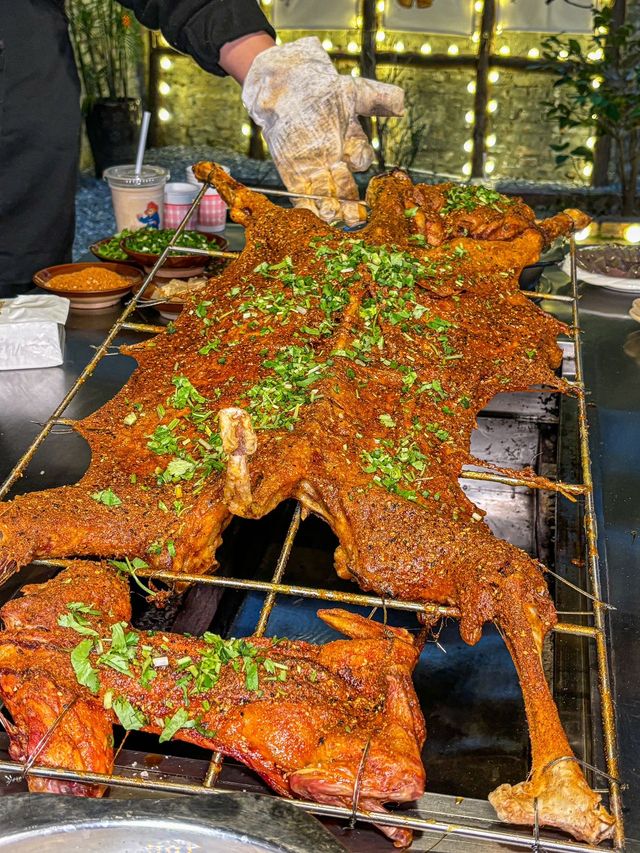
Made with local fat sheep, crispy skin and tender meat, a must for festive feasts.
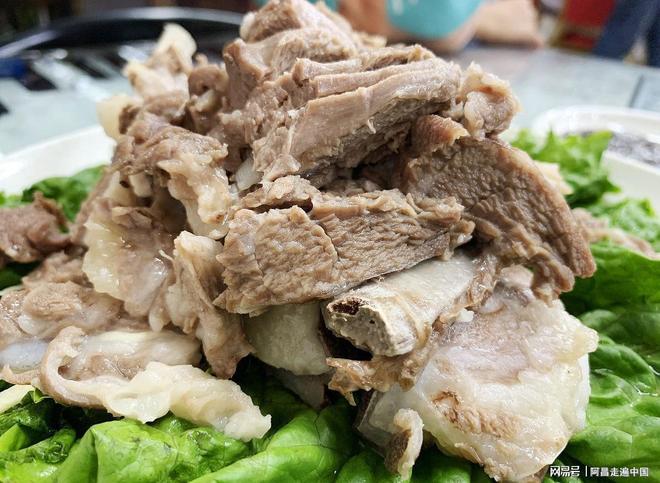
Boiled mutton in plain water, eaten with salt, simple and flavorful.
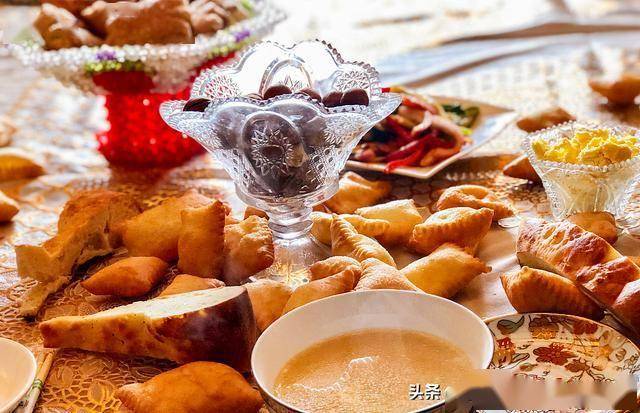
Fermented mare's milk, slightly sour with a hint of alcohol, refreshing.
Ancient Tuva village with log cabins and morning mist creating picturesque views.
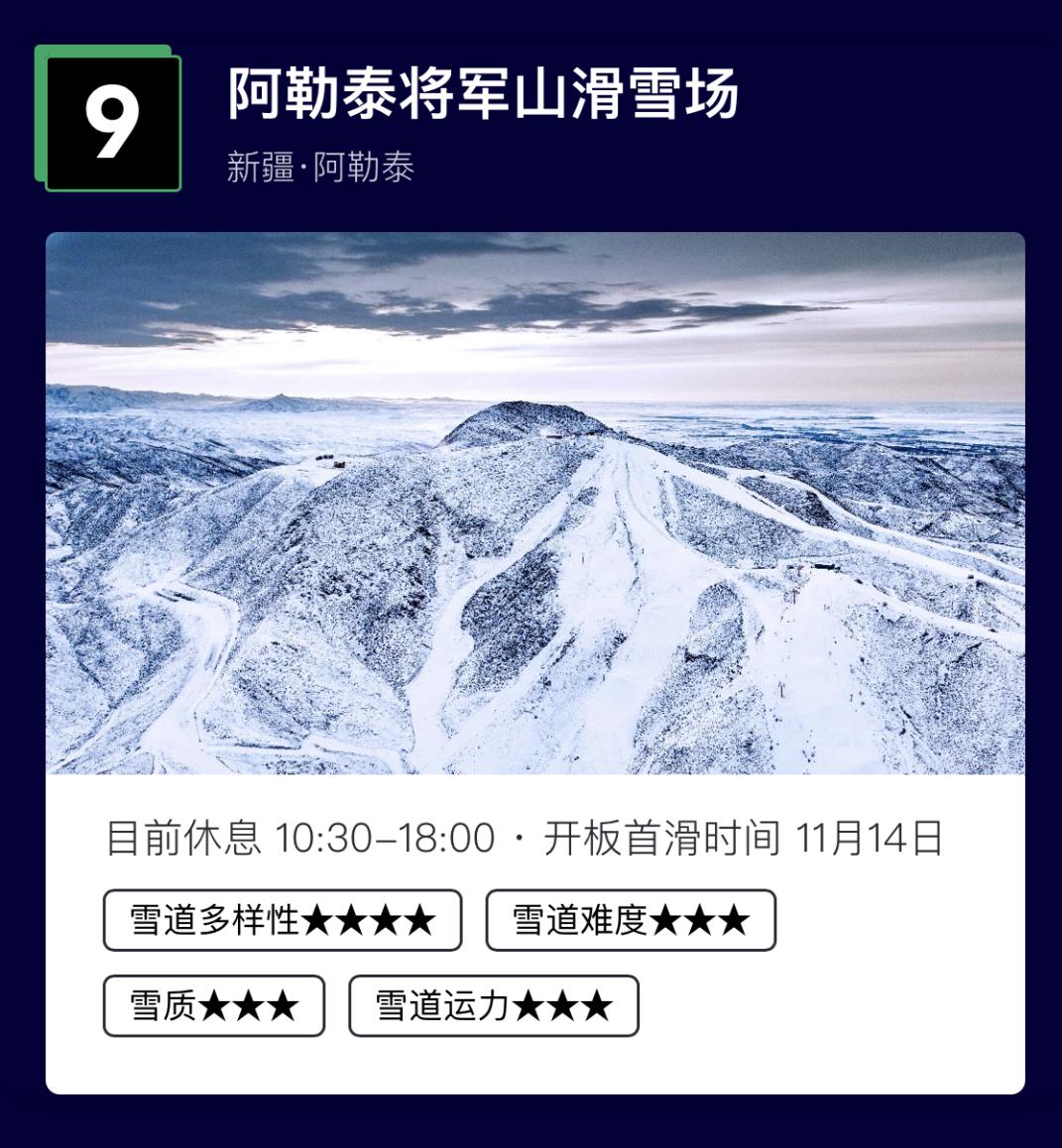
Top national ski resort with diverse slopes and a 6-month snow season.
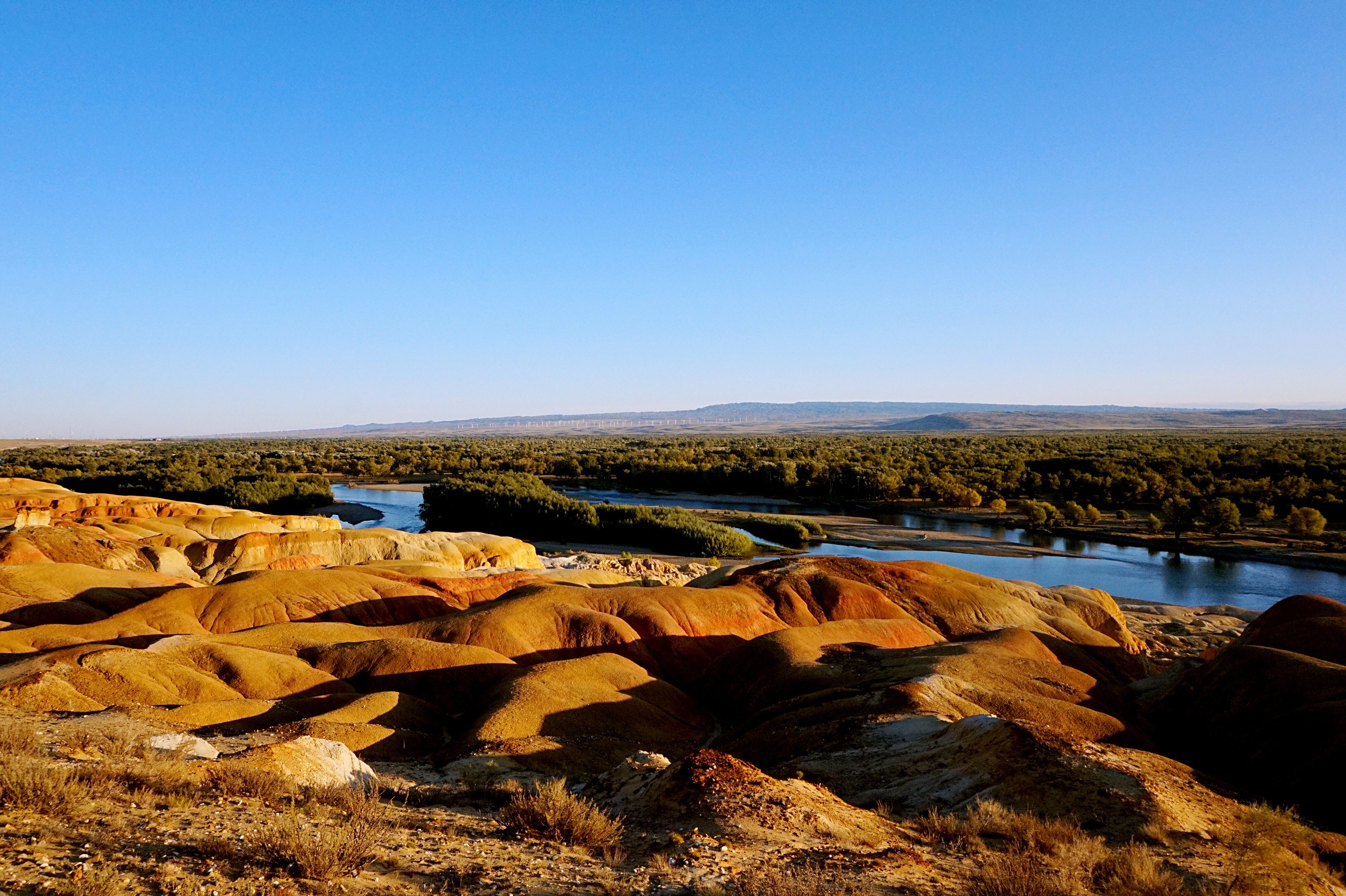
Yardang landform intertwined with oasis wetlands, brilliant colors at sunset.
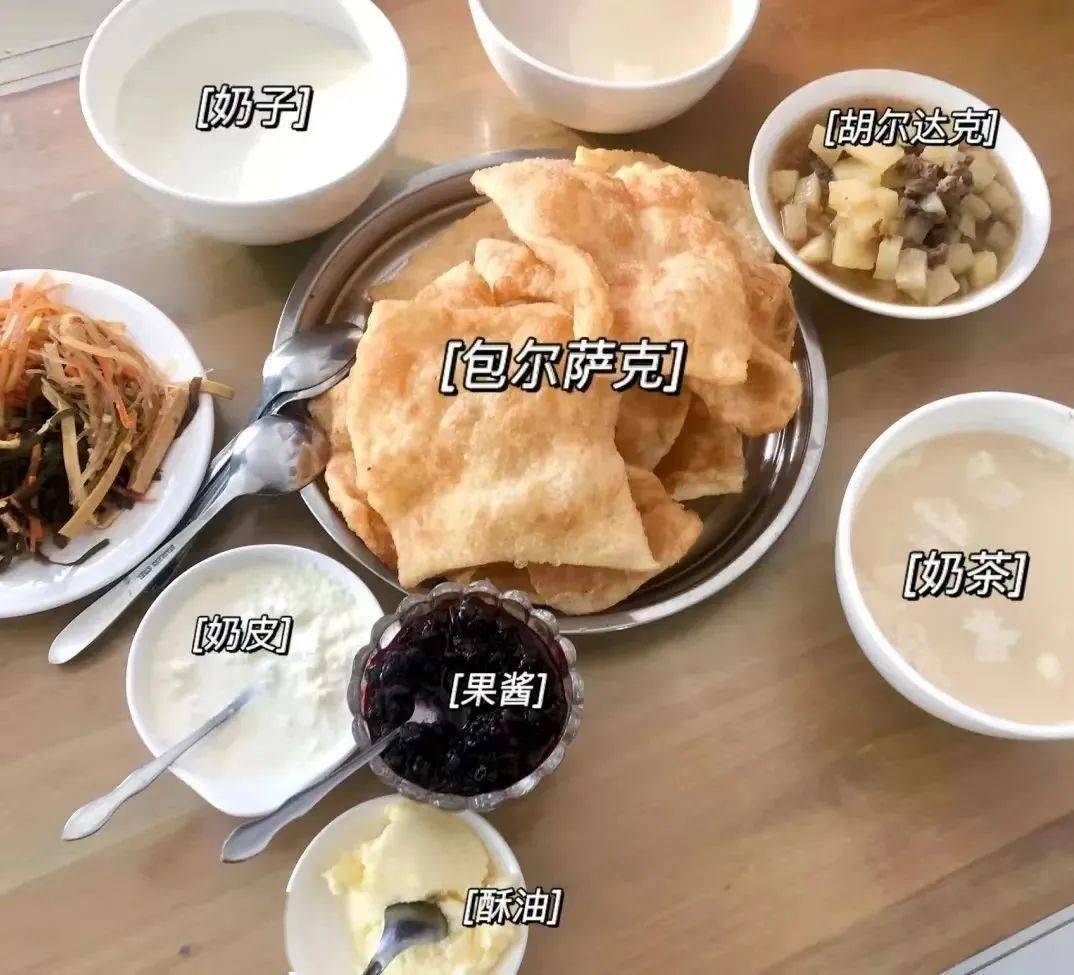
Deep-fried dough, golden and crispy, often eaten with milk tea.
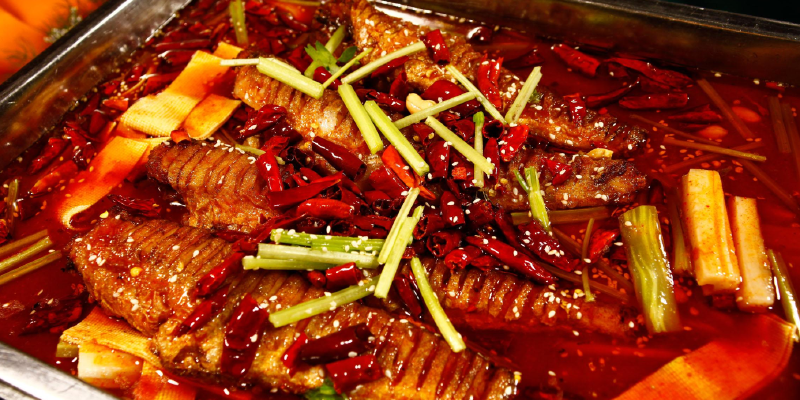
Cold-water fish from the Irtysh River, grilled to perfection.