
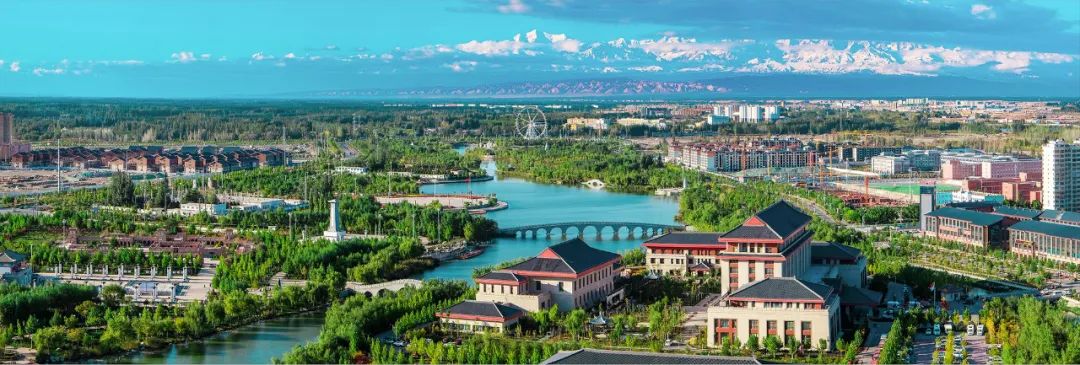
Aksu is located in western Xinjiang, at the southern foot of the Tianshan Mountains and the northern edge of the Tarim Basin. It has a warm temperate continental arid climate with abundant sunshine, large temperature differences, and scarce rainfall. However, thanks to irrigation from Tianshan snowmelt, its oasis agriculture thrives, earning it the nickname 'Jiangnan Beyond the Great Wall.'
Known in ancient times as 'Gumo,' Aksu was an important post station on the Silk Road. It was under the Protectorate of the Western Regions during the Han Dynasty, established as Gumo Prefecture in the Tang Dynasty, and became Wensu Directly Governed Prefecture in the Qing Dynasty. With a long history, it is a multi-ethnic area with cultural fusion.
Aksu is a multi-ethnic region predominantly inhabited by Uyghurs, with diverse cultures. It features unique 'Dolan' (Daolang) culture, known for passionate music and dance. Local cuisine includes lamb skewers, pilaf, laghman, and naan bread with meat. Fruits are sweet, with Aksu apples, red dates, and walnuts renowned nationwide.
Modern Aksu is developing rapidly with a high degree of agricultural industrialization, becoming an important base for cotton and fruit production in Xinjiang. Its industries focus on energy, chemicals, textiles, and agricultural product processing. The city is undergoing constant renewal, with convenient transportation, making it a key regional center in southern Xinjiang.
The best time to visit 阿克苏 is The best travel time is from August to October.
Spring (March-May) sees rising temperatures but frequent sandstorms, making it less suitable for travel.
Summer (June-August) is hot and dry, but fruits ripen, offering fresh produce; large temperature differences require attention.
Autumn (September-October) has pleasant weather and the most beautiful scenery, also the harvest season for fruits, making it the best time to visit.
The Western Han Dynasty established the Western Regions Protectorate, incorporating the Aksu area into Chinese territory.
The Qing government established Xinjiang as a province, and Aksu became Wensu Zhili Prefecture.
Aksu was peacefully liberated and subsequently entered the period of socialist construction.
Recommended places to visit
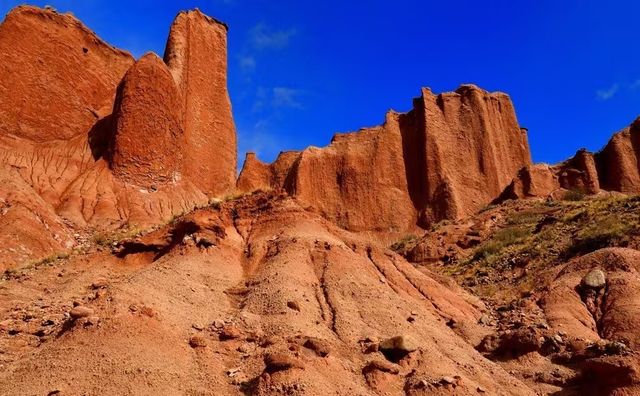
Located in Wensu County, it is the largest canyon in the Tianshan Mountains, known for its red sandstone landforms, deep gorges, and magnificent scenery, a paradise for photographers.
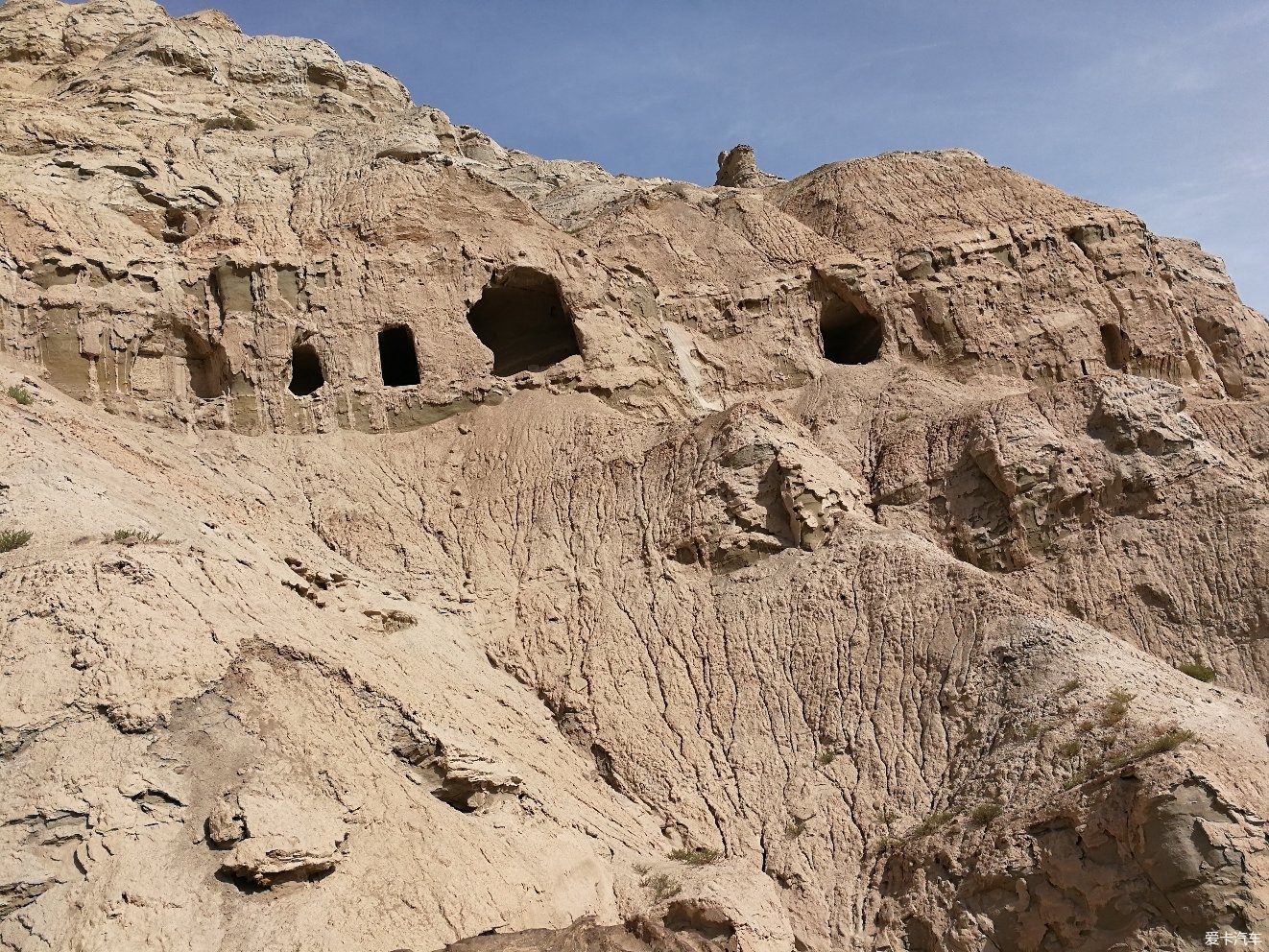
Located in Baicheng County, it is one of the earliest cave temple complexes in China, about 200 years older than the Mogao Caves, with over 10,000 square meters of existing murals, a treasure trove for Buddhist art research.
UNESCO World Heritage Sites
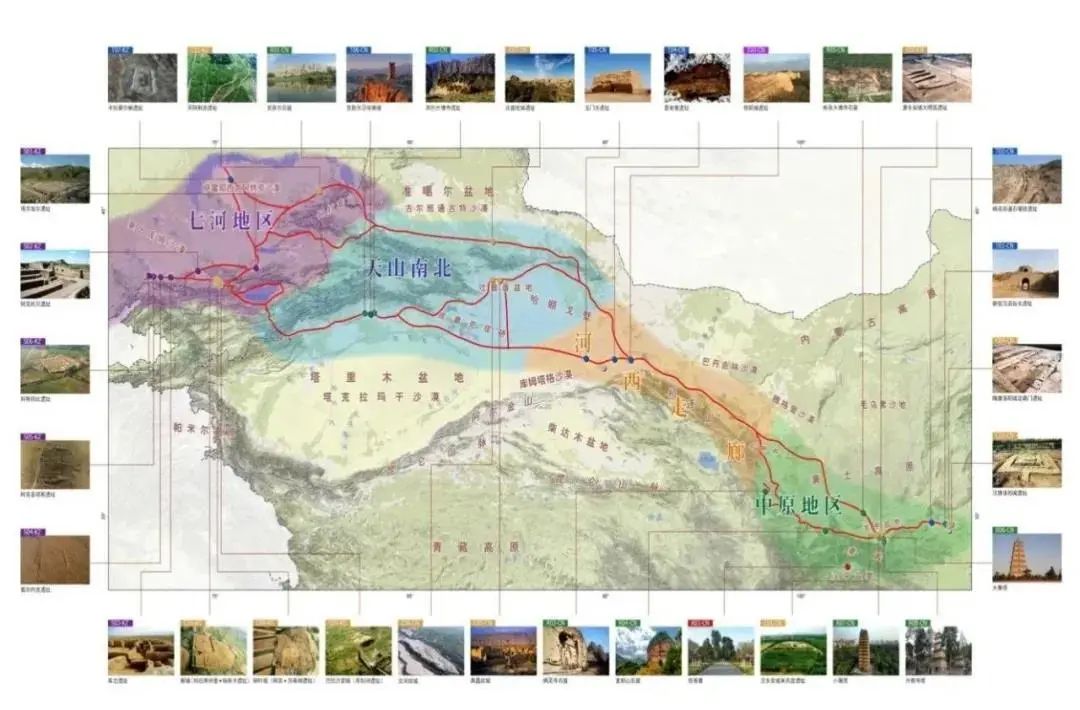
The Kizil Thousand Buddha Caves and Subash Buddhist Temple Ruins in Aksu, as important Silk Road relics, are inscribed as World Cultural Heritage sites.
Explore rich intangible cultural heritage and traditional crafts

A unique folk song and dance gathering in Awat County, Aksu, integrating singing, dancing, and music, inscribed as a National Intangible Cultural Heritage in 2006.

Dolan Muqam is an important branch of Uyghur Muqam, popular in Aksu, with ancient and rugged melodies, inscribed as a National Intangible Cultural Heritage in 2006.
Must-know transportation for exploring the city
Located in Aksu City, it has flights to major domestic cities such as Urumqi, Beijing, Shanghai, and Chengdu.
Economy class about 500-1500 RMB
An important station on the Southern Xinjiang Railway, with trains to Urumqi, Kashgar, Xi'an, etc., some of which are EMU trains.
Hard seat about 100-200 RMB
City buses cover main areas with a fare of 1 RMB; long-distance bus stations have coaches to counties and nearby cities.
Bus 1 RMB, long-distance by distance
Taste the most authentic and popular local specialties
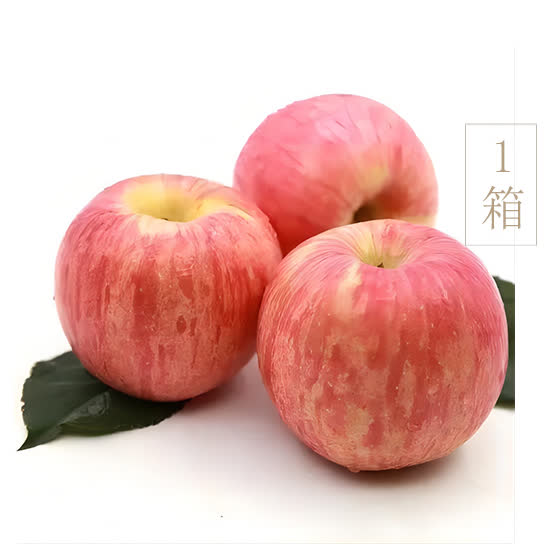
A specialty of Aksu, famous for its unique rock sugar core, with delicate flesh, sweet, crisp and juicy.
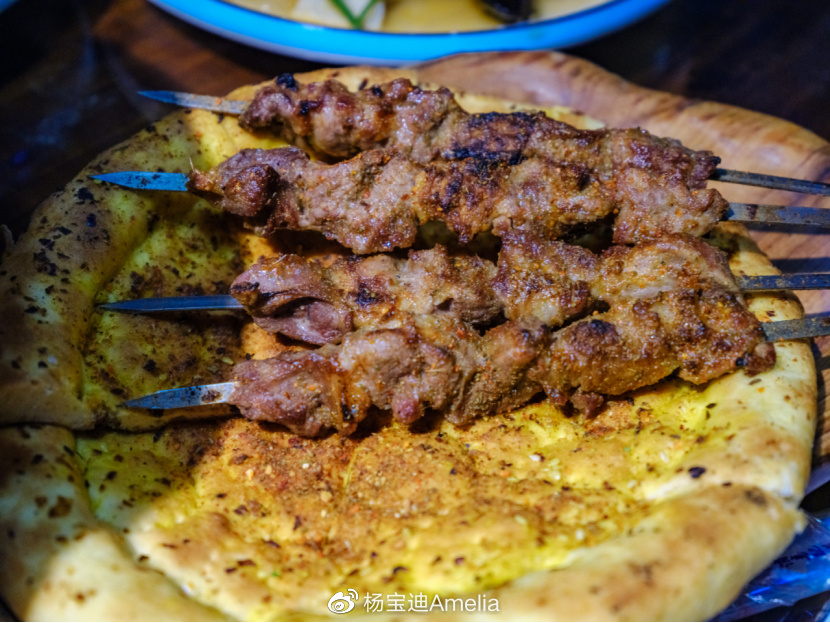
A classic Xinjiang delicacy, made with fresh lamb, grilled over charcoal, sprinkled with cumin and chili powder, crispy outside and tender inside, aromatic.

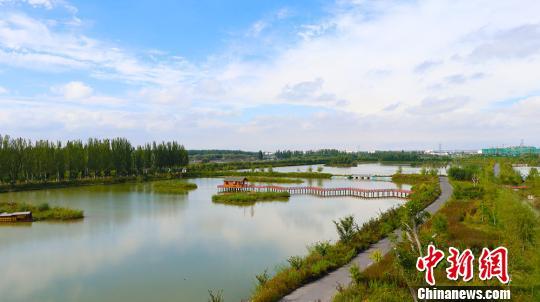
Located in Aksu City, it is the largest urban wetland park in southern Xinjiang, integrating ecological protection and leisure sightseeing, with abundant water birds and plant resources.
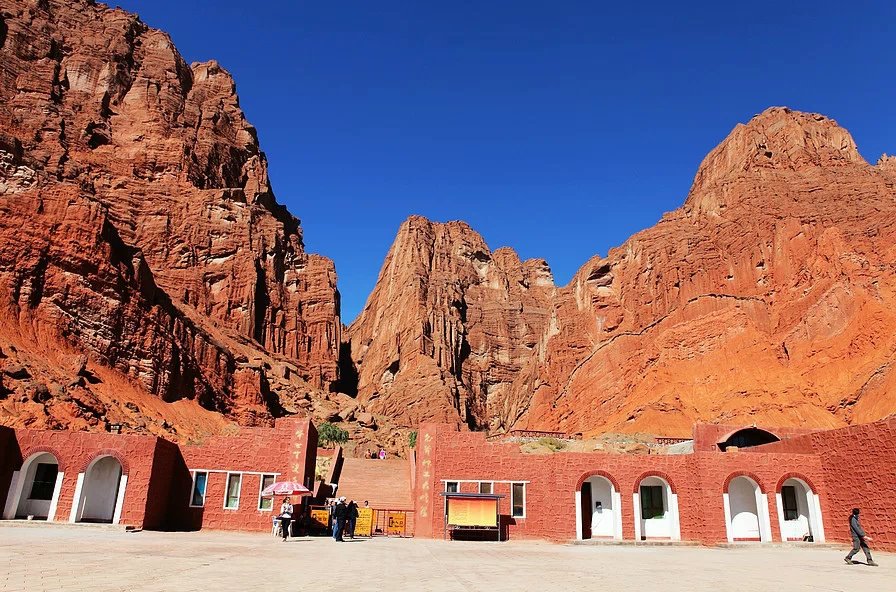
Located in Kuqa County (Kuqa City), composed of reddish-brown rocks, the canyon is winding with varied mountain shapes, known as one of 'China's Ten Most Beautiful Canyons.'
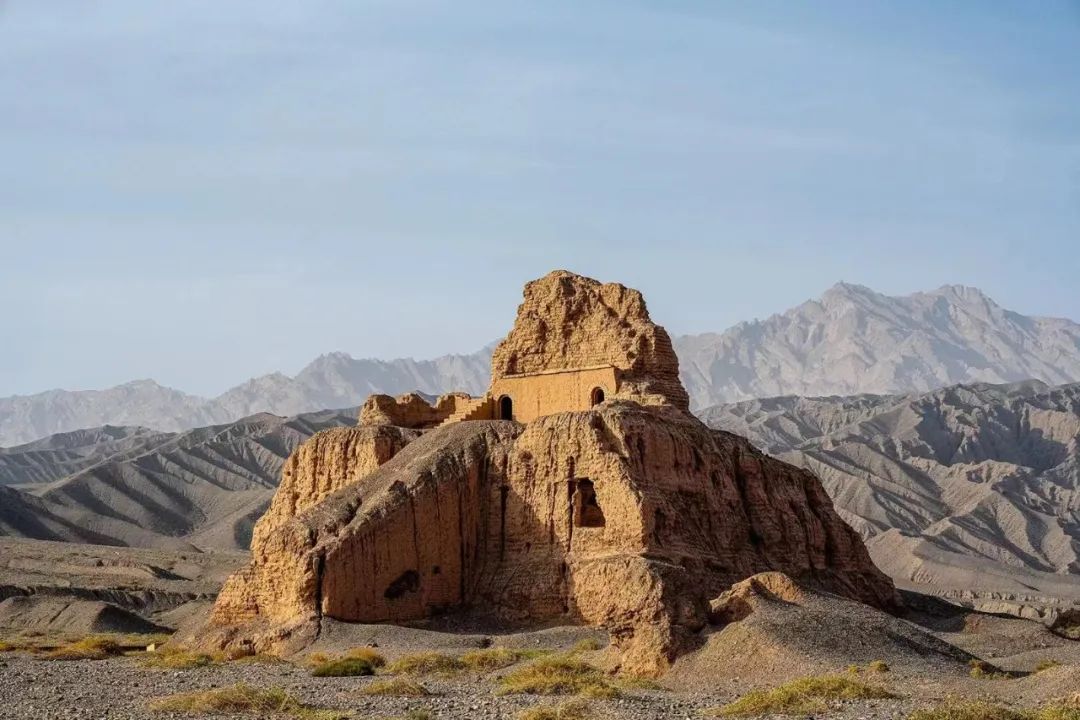
Located in Kuqa City, it is a Buddhist temple site from the Wei-Jin to Tang dynasties, grand in scale, an important Buddhist relic of the ancient Kucha Kingdom, inscribed as a World Heritage Site in 2014.
One of the staple foods in Xinjiang, made by stewing rice with lamb, carrots, onions, etc., oily and delicious, nutritious.
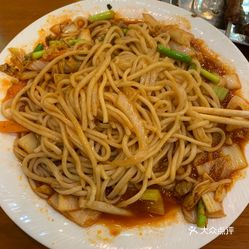
Xinjiang mixed noodles, hand-pulled noodles, chewy and elastic, topped with stir-fried lamb and vegetables, rich in flavor.
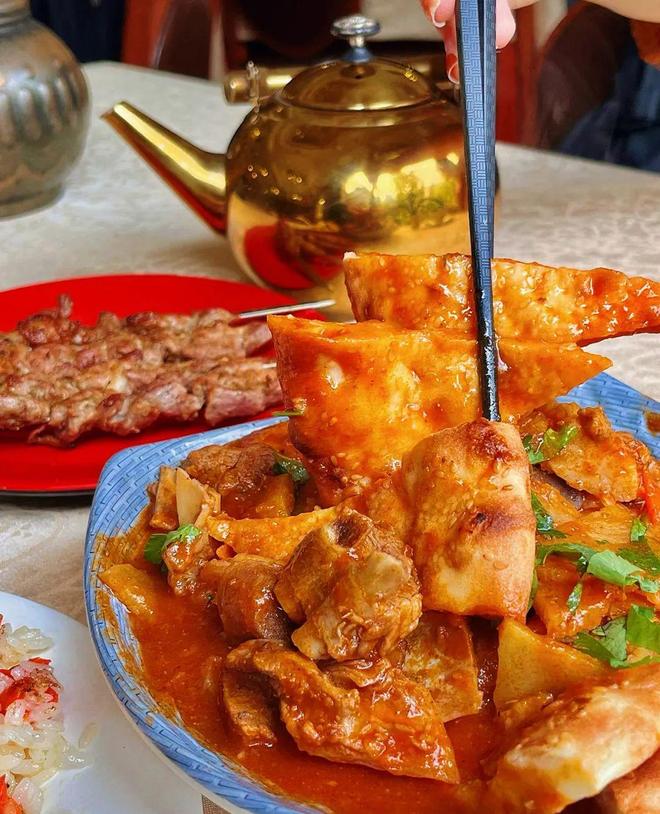
Cut baked naan into pieces, top with stewed lamb and broth, the naan absorbs the meat juice, offering a rich taste.