
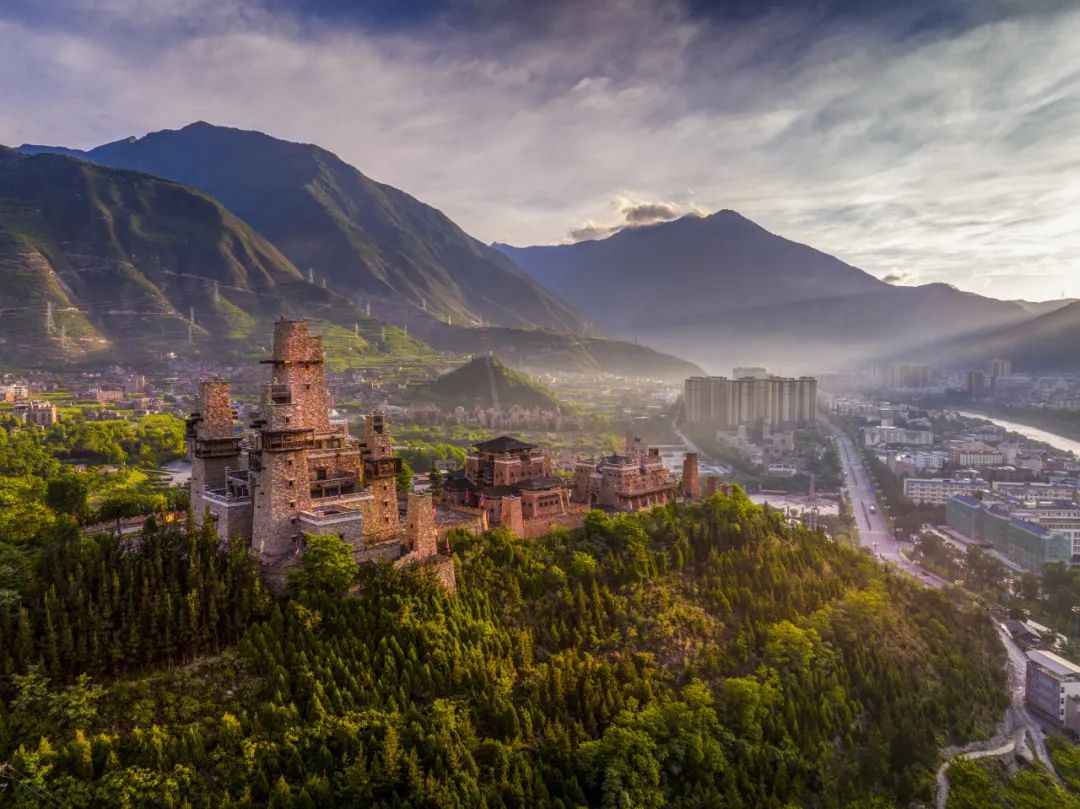
Aba Tibetan and Qiang Autonomous Prefecture is located in the northwest of Sichuan Province, on the southeastern edge of the Qinghai-Tibet Plateau, with an average altitude of over 3,000 meters. It has a plateau monsoon climate, with large temperature differences throughout the year, abundant sunshine, and little rainfall. Winters are long and cold, while summers are short and cool.
Aba has a long history. In ancient times, it was inhabited by the Qiang people. During the Tang Dynasty, it belonged to Tubo. In the Yuan Dynasty, the Tusi system was established. In 1950, the prefecture was founded, and in 1953, it became an autonomous prefecture. Historically, it was an important passage on the Ancient Tea Horse Road. During the Long March, the Red Army crossed snowy mountains and grasslands here.
Aba has a diverse culture where Tibetan and Qiang cultures blend. Intangible cultural heritages include Tibetan opera, Thangka painting, and Qiang flute music. Local cuisine features Tibetan tsampa, butter tea, yak meat, Qiang cured pork, and highland barley wine, each with unique flavors.
Modern Aba relies on its rich tourism resources to develop eco-tourism and Tibetan-Qiang cultural experiences. Scenic spots like Jiuzhaigou and Huanglong are world-famous. Transportation is gradually improving, with railways such as the Chengdu-Lanzhou and Sichuan-Qinghai lines under construction. Tourism has become a pillar industry.
The best time to visit 阿坝 is Best travel time: May to October.
From May to June is spring, with blooming grasslands and pleasant weather, ideal for outdoor activities.
From July to August is summer, cool for escaping heat, but it's the rainy season, so watch for weather changes.
From September to October is autumn, with brilliant colors and clear skies, the golden period for photography.
In 1953, Aba Tibetan Autonomous Prefecture was formally established, marking the implementation of regional ethnic autonomy.
In 1935, the Red Army passed through Aba during the Long March, crossing several snow-capped mountains and the Zoige Grassland, where many soldiers perished.
In 1992, Jiuzhaigou was inscribed on the UNESCO World Natural Heritage list, becoming a flagship attraction of Aba.
Recommended places to visit

Jiuzhaigou is famous for its six wonders: turquoise lakes, layered waterfalls, colorful forests, snow-capped peaks, Tibetan culture, and blue ice. It is a UNESCO World Natural Heritage site and a 5A-level scenic area.
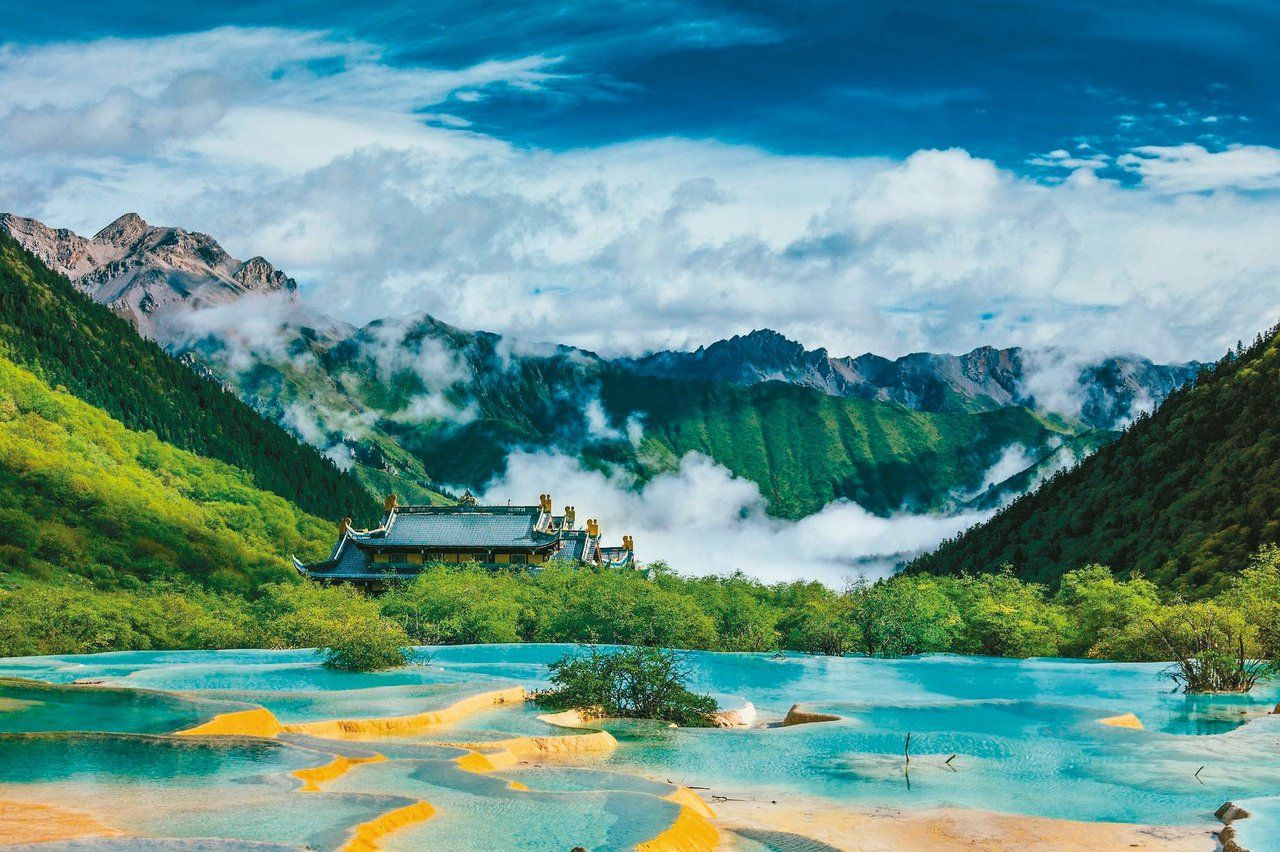
Huanglong is renowned for its colorful pools, snow-capped mountains, gorges, and forests. It is a UNESCO World Natural Heritage site and a 5A-level scenic area.
UNESCO World Heritage Sites
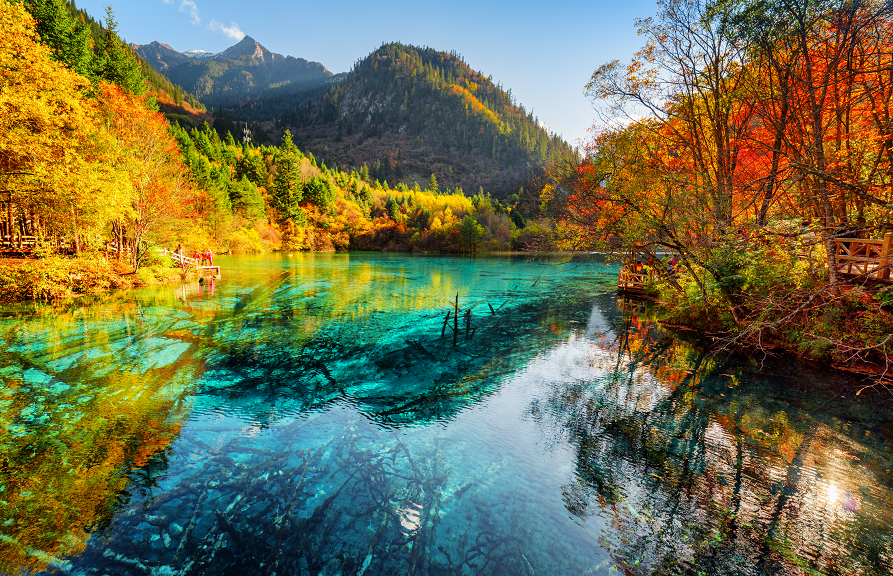
Jiuzhaigou is listed as a World Natural Heritage site for its unique karst landforms, turquoise lakes, layered waterfalls, and Tibetan culture.
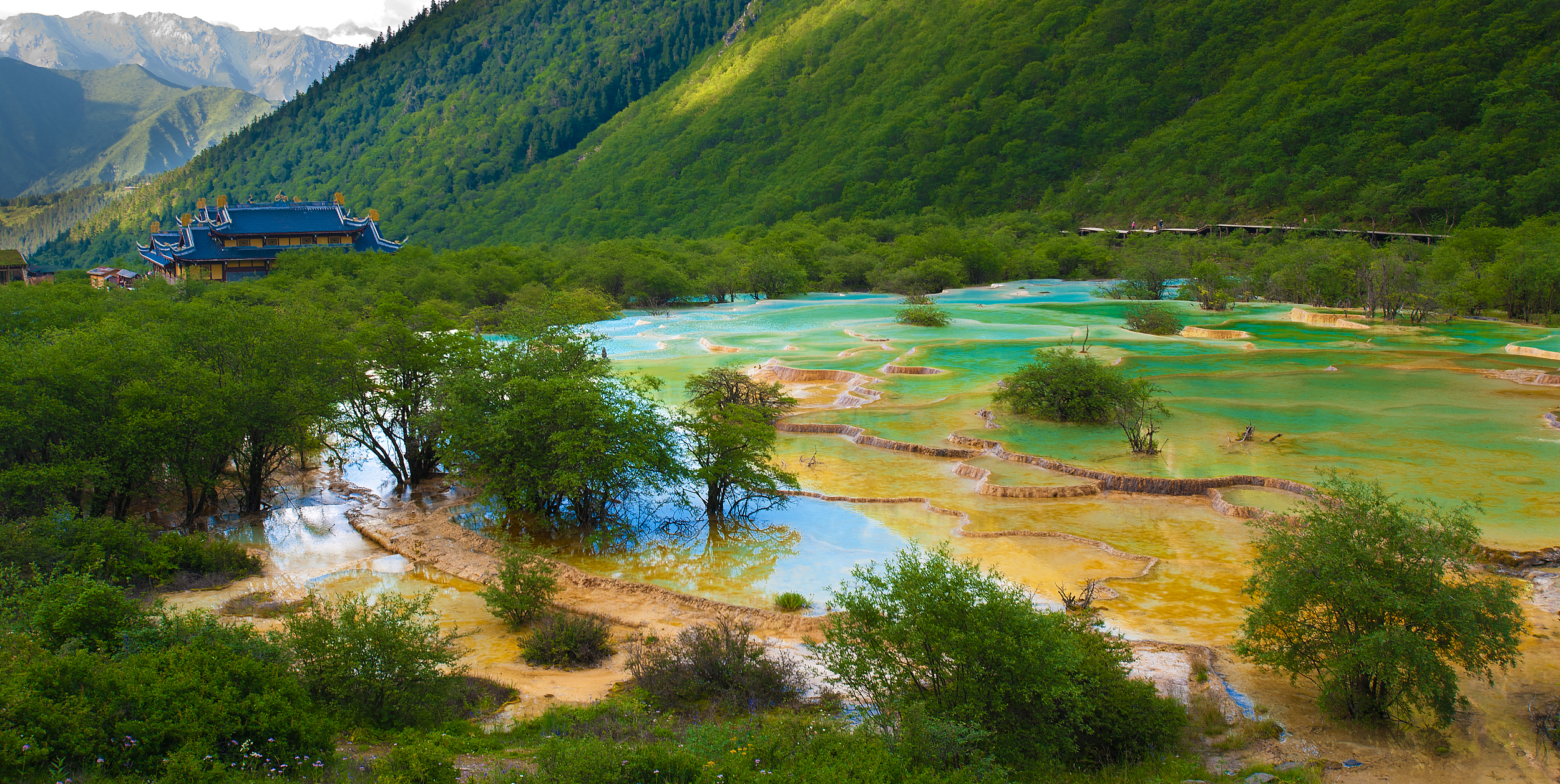
Huanglong is listed as a World Natural Heritage site for its colorful pools, snow-capped mountains, gorges, and forests.
Explore rich intangible cultural heritage and traditional crafts
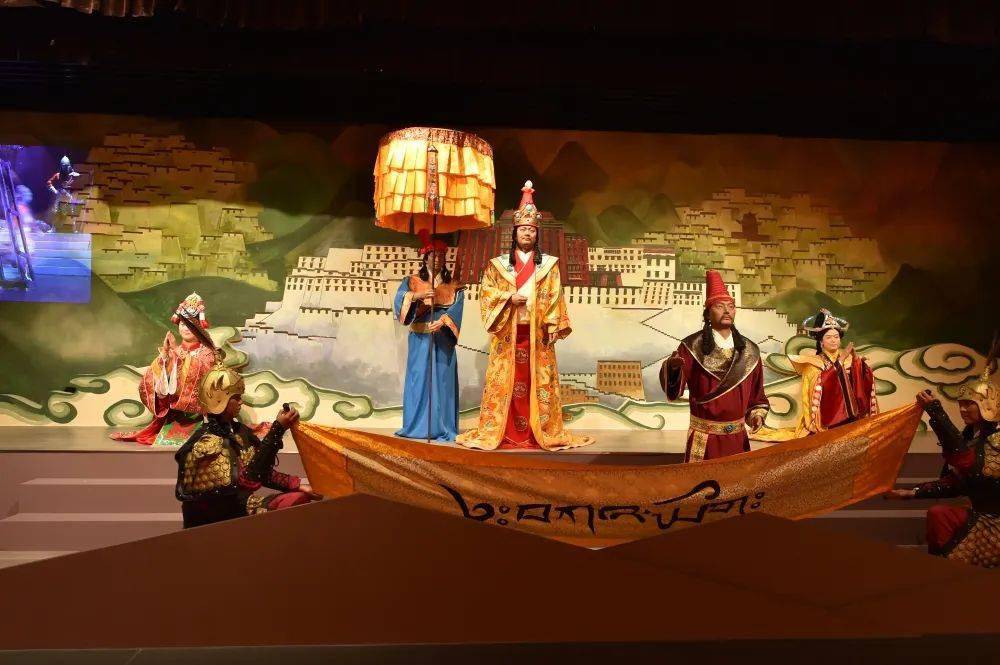
Aba Tibetan Opera is a traditional Tibetan drama form combining singing, recitation, acting, and acrobatics, performing Tibetan historical stories.
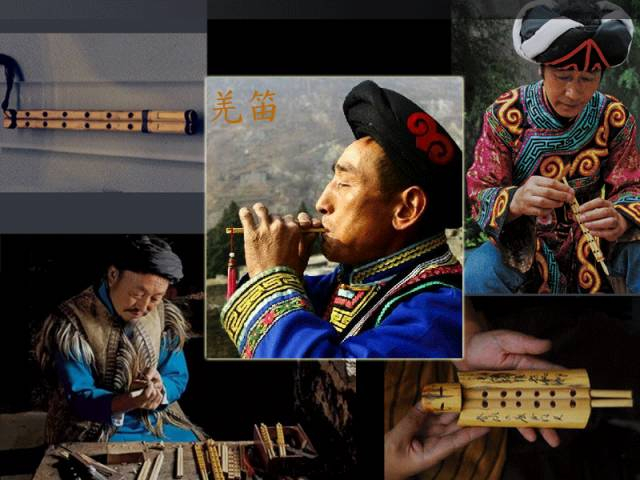
The Qiang flute is a traditional Qiang instrument with double pipes and reeds, producing a melodious sound. Its making and performance techniques are listed as national intangible cultural heritage.
Must-know transportation for exploring the city
Aba Hongyuan Airport is located in Hongyuan County, with flights to Chengdu, Chongqing, etc., serving as an important air gateway to Aba.
From Chengdu to Hongyuan from about 500 CNY
The Chengdu-Lanzhou Railway connects Chengdu and Lanzhou, passing through Aba with stations in Mao County, Songpan, etc. Once completed, it will greatly facilitate tourists. Currently, travelers can take a high-speed train to Chengdu and then transfer by bus.
Bus from Chengdu to Songpan about 100 CNY
From Chengdu Chadianzi Bus Station, there are buses to various counties in Aba, such as Jiuzhaigou, Huanglong, Barkam, etc., with travel times of 4-10 hours.
From Chengdu to Jiuzhaigou about 150 CNY
Taste the most authentic and popular local specialties
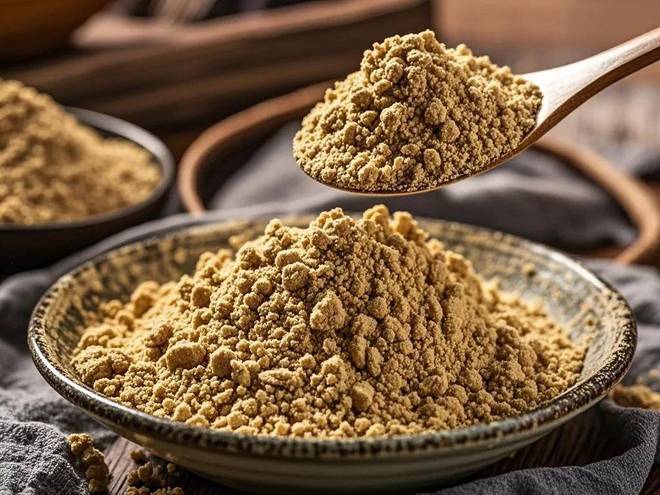
Tsampa is a Tibetan staple made from roasted highland barley flour, mixed with butter tea and kneaded into balls, with a rich flavor.
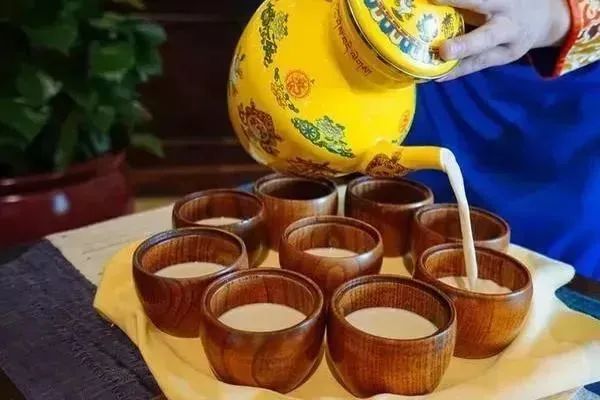
Butter tea is a daily Tibetan drink made from brick tea, butter, and salt, which warms and refreshes.
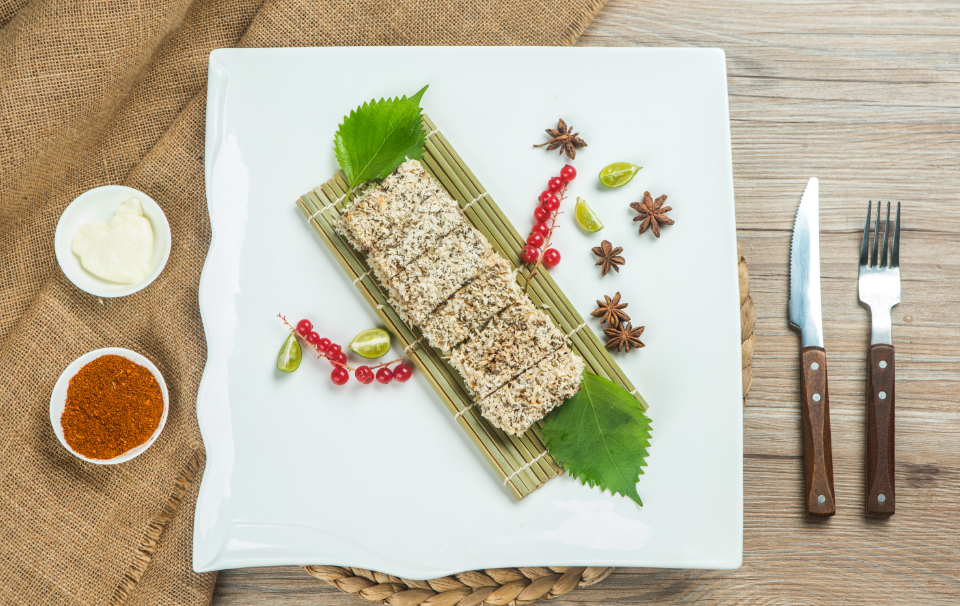
Yak meat is a highland specialty with firm texture, low fat and high protein. It can be made into jerky or braised, with a unique flavor.
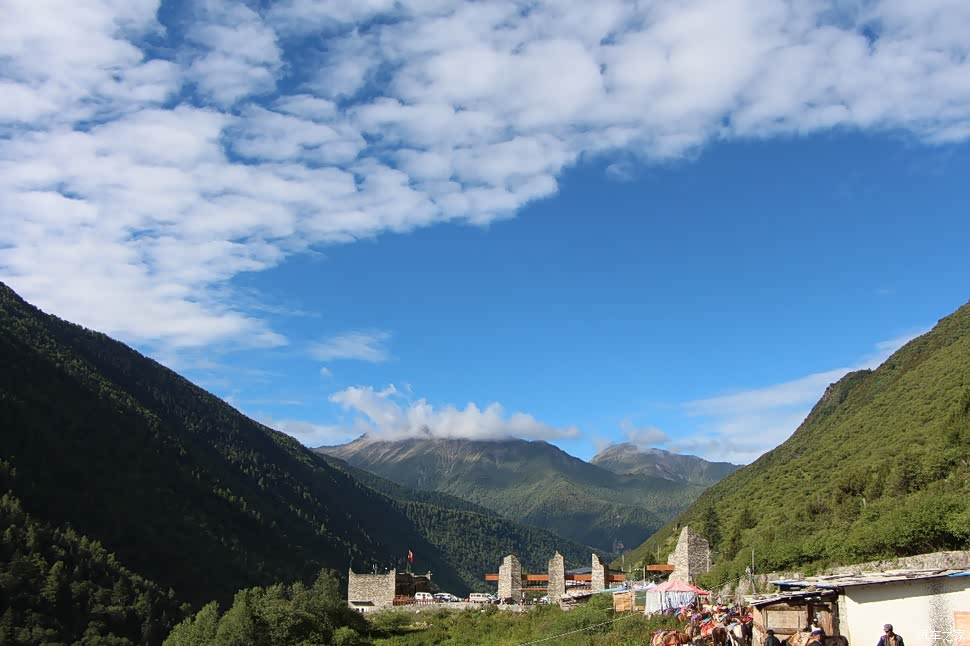
Mount Siguniang consists of four snow-capped peaks and is known as the 'Alps of the East'. It is a national scenic area.
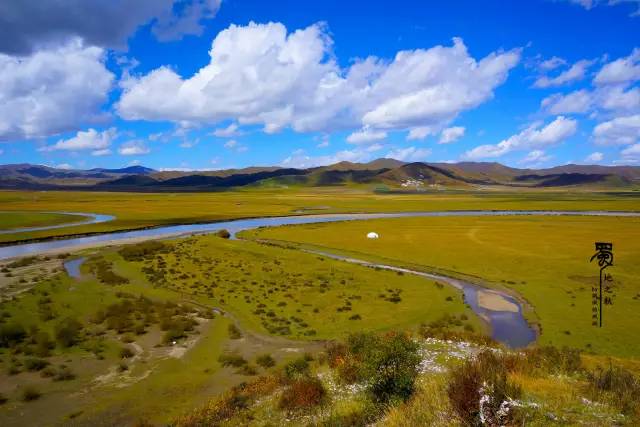
Zoige Grassland is the second largest grassland in China, with a carpet of flowers in summer, offering a great experience of Tibetan nomadic culture.
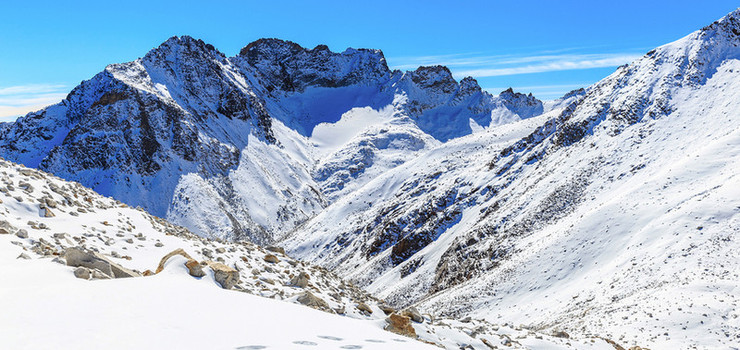
Dagu Glacier is the lowest-altitude and youngest glacier in the world, with the highest cable car, offering views of modern glacier landscapes.
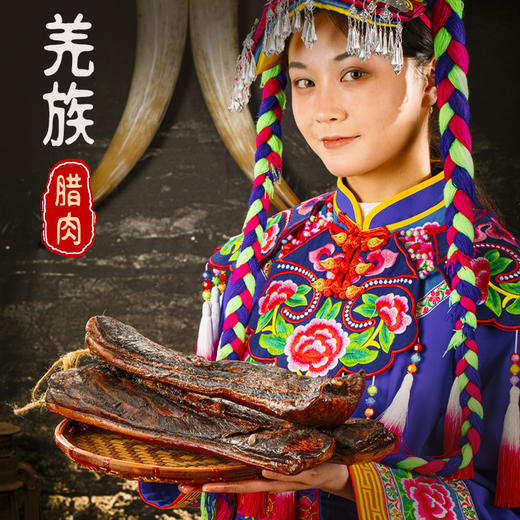
Qiang bacon is made from highland pork, cured and smoked, with a golden color, rich but not greasy, a traditional Qiang delicacy.
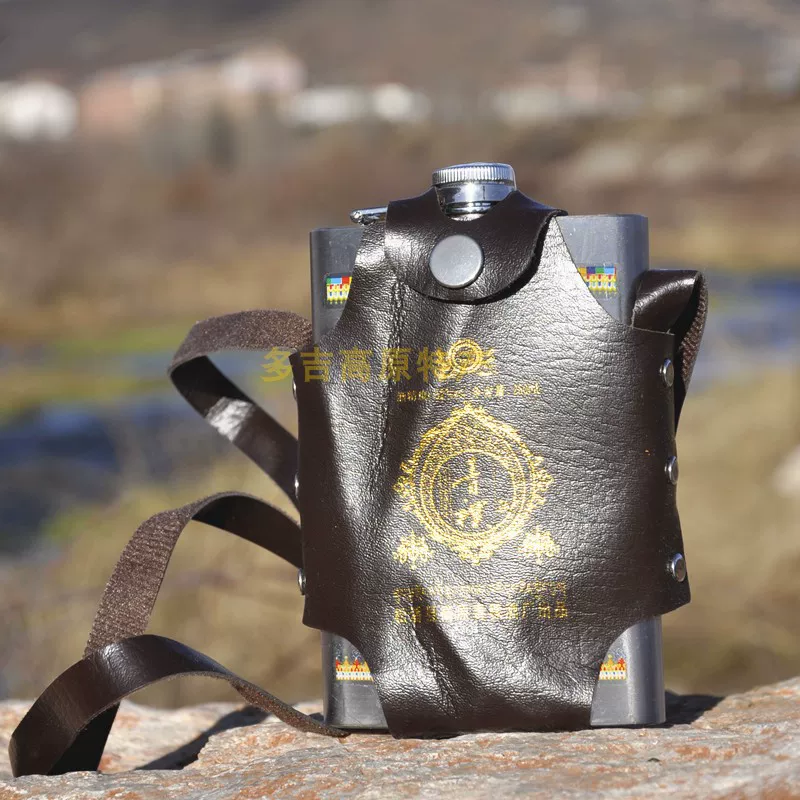
Highland barley wine is a traditional Tibetan alcoholic beverage made from highland barley, low in alcohol, sweet and sour, often used to entertain guests.