Explore China
Discover the best destinations across China

Discover the best destinations across China
Discover the best destinations across China
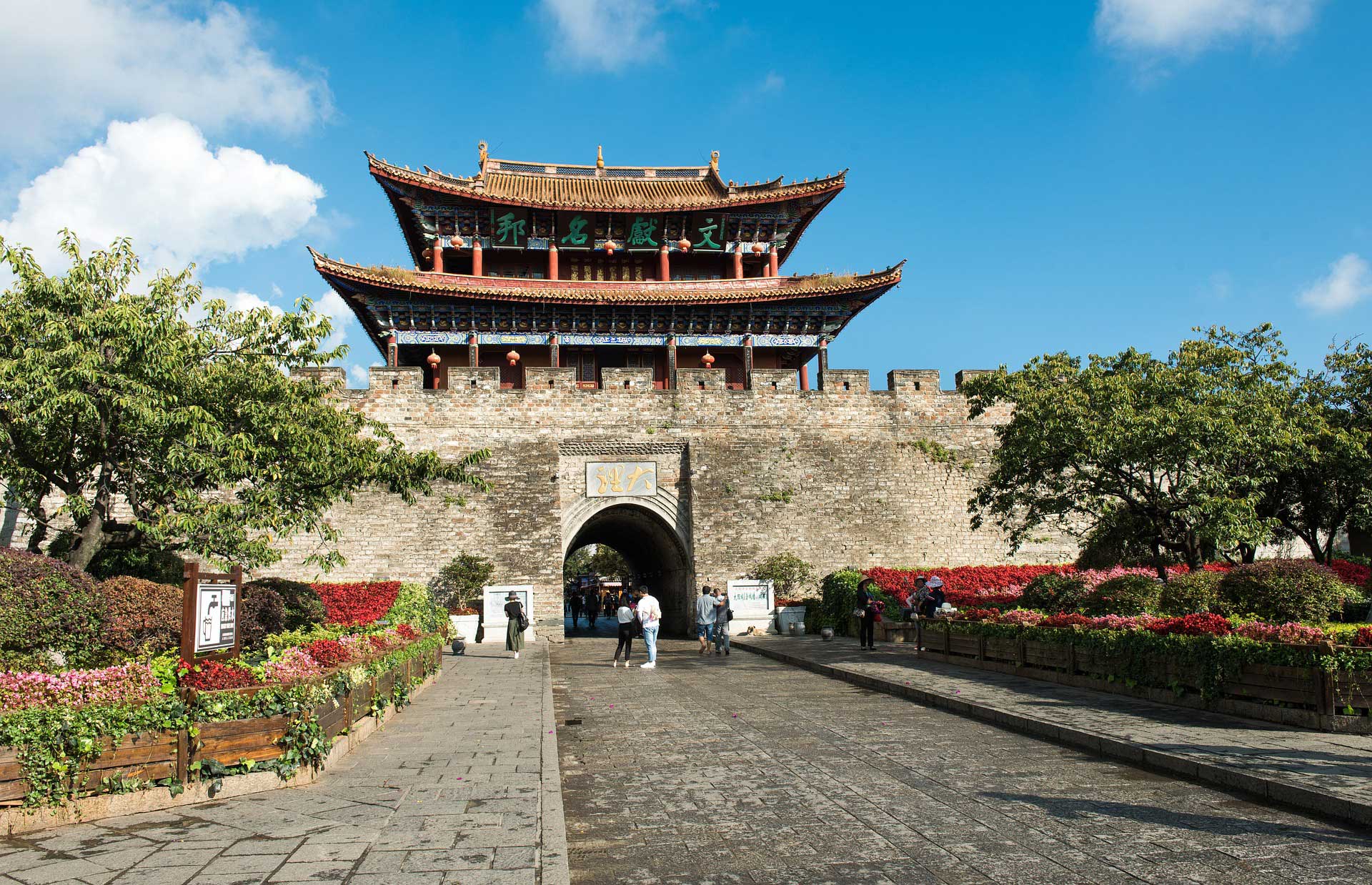
Dali is located in the central-western part of Yunnan Province, at the junction of the Yunnan-Guizhou Plateau and the Hengduan Mountains, with an average elevation of about 1,970 meters. It has a low-latitude plateau monsoon climate, with small temperature differences between seasons and distinct dry and wet seasons. The annual average temperature is around 15°C, with no severe cold in winter and no extreme heat in summer, earning it the reputation of being the "Geneva of the East." Natural landscapes such as Erhai Lake and Cangshan Mountain form its unique geographical features.
Dali has a long history as the capital of the Nanzhao and Dali kingdoms, with a city-building history spanning over 1,300 years. As an important hub on the ancient Southern Silk Road, Dali integrates Central Plains culture, Tibetan culture, and Southeast Asian culture, forming a diverse and inclusive urban character. Well-preserved Bai-style residences, the Three Pagoda Temple, and other relics within the ancient city showcase its profound historical heritage.
Dali is a major settlement of the Bai ethnic group, with a rich Bai cultural atmosphere, known for folk activities such as "Raosanling" and "Bawangbian." In terms of cuisine, signature dishes like sour and spicy fish, milk fan, and Xizhou flatbread are mouthwatering. The local residents enjoy a leisurely pace of life, often drinking "three-course tea," which embodies the romantic life philosophy of "wind, flower, snow, and moon."
In recent years, Dali has actively developed ecotourism and cultural creative industries, becoming an internationally renowned destination for travel and residence. The protection and management of Erhai Lake have achieved remarkable results, with green infrastructure such as the lakefront ecological corridor gradually improving. In the future, Dali will focus on sustainable development, striving to become a world-class destination for healthy living while enhancing its international profile without losing its cultural identity.
The best time to visit 大理 is Spring and autumn.
The best time to visit Dali is in spring (March to May) and autumn (September to November). During these seasons, the weather is mild, rainfall is scarce, and the sky is clear blue, making it ideal for outdoor activities. In spring, hundreds of flowers bloom, and especially during the Third Month Fair, the whole city is immersed in festive joy. In autumn, the sky is high and the air is crisp, the rice fields turn golden, and the scenery is picturesque.
In spring (March to May), the temperature in Dali ranges from 10 to 25°C, with a significant difference between day and night, so a jacket is necessary. During this season, the azaleas on Cangshan Mountain are in full bloom, and Erhai Lake glistens under the sunlight, making it the best time for cycling around Erhai Lake and hiking on Cangshan Mountain. It is recommended to visit Dali Ancient City, Xizhou Ancient Town, and the Three Pagodas of Chongsheng Temple to enjoy the beautiful scenery of spring flowers blending with ancient architecture.
In autumn (September to November), Dali's temperatures range from 15-28°C, with clear and dry weather and high visibility, making it ideal for viewing Cangshan snow scenes and Erhai Lake sunsets. The Bai ethnic group's 'Torch Festival' on the 15th day of the eighth lunar month is an important cultural event that visitors can join. Additionally, autumn is a great season to taste Dali's specialty mushrooms and fruits.
Nanzhao unified the six zhao and established its capital at Dali (then called Yangjumie City), making Dali a political center for the first time.
Duan Siping established the Dali Kingdom, with its capital in Dali. It lasted for 316 years, during which Buddhism flourished, leaving behind famous structures such as the Three Pagodas of the Chongsheng Temple.
The Mongol army captured Dali, leading to the fall of the Dali Kingdom. Later, the Dali Route was established and incorporated into Yunnan Province.
Dali was listed by the State Council as one of the first 24 historical and cultural cities in China, and the protection of the ancient city has been given attention.
Dali launched the "Seven Major Actions" for the protection and management of Erhai Lake, comprehensively tackling pollution around the lake and restoring the ecosystem, setting a national example for lake governance.
Recommended places to visit

First built during the Hongwu era of the Ming Dynasty, the city retains a large number of Bai ethnic residential houses and street layouts, integrating shopping, dining, and cultural experiences.

The Buddhist architecture from the Dali Kingdom period, with the main pagoda, Qianxun Pagoda, standing 69.13 meters tall, is one of the oldest brick pagodas in Yunnan.

Yunnan's second largest freshwater lake, with clear waters and ancient towns like Shuanglang and Wase around it, is a great place for cycling and photography around the lake.

Comprising 19 peaks, the highest being Malong Peak at 4,122 meters, it features attractions such as Xima Pond and Qilongnv Pool, and can be explored via cable car.

The Bai ethnic residential buildings are well-preserved, including historical sites like Yan's Grand Courtyard, and are famous for crispy baba (a type of pastry) and tie-dye craftsmanship.
UNESCO World Heritage Sites

The natural and cultural landscape formed by Cangshan Mountain and Erhai Lake in Dali reflects the harmonious coexistence of Bai culture and the natural environment, and has been included in China's World Heritage Tentative List.
Explore rich intangible cultural heritage and traditional crafts

The Bai ethnic group's major folk activity, held annually from the 23rd to the 25th of the fourth lunar month between Cangshan Mountain and Erhai Lake, includes rituals, singing and dancing, and parades. It has been inscribed in the first batch of China's national intangible cultural heritage.

The traditional hand-dyeing technique of the Bai ethnic group in the Zhoucheng area of Dali, known for its blue-and-white patterns, has a history of over a thousand years and is listed among the first batch of national intangible cultural heritage.
Must-know transportation for exploring the city
Approximately 15 kilometers from the ancient city, there are flights to major domestic cities such as Beijing, Shanghai, Guangzhou, Chengdu, and Kunming. The airport shuttle takes about 40 minutes to the ancient city, costing 20 yuan; a taxi costs about 60 yuan.
机票价格因季节变动,约300-1500元
Located in Xiaguan urban area, the main high-speed rail lines connect to Kunming (about 2 hours), Lijiang (about 2 hours), Kunming South Station, etc. The ancient city can be reached directly by bus No. 8 to the train station, or by taxi in about 15 minutes.
动车票昆明-大理约145元
Dali North Bus Station has buses to Lijiang, Shangri-La, Kunming, and other places. Within the city, transportation mainly relies on buses (2 yuan), taxis (starting fare 8 yuan), and shared bikes. For a trip around Erhai Lake, renting an electric bike or bicycle is recommended.
长途车约50-150元
Taste the most authentic and popular local specialties
Simmer Erhai crucian carp with sour papaya, chili, garlic, and other ingredients. The dish is sour, spicy, and savory, with tender and smooth fish meat, appetizing and perfect with rice.
Dali Bai ethnic traditional dairy product, made by acidifying milk, pulling it into thin sheets, and drying them. It can be eaten raw, pan-fried, or deep-fried, with a rich milky aroma.

Xizhou Ancient Town's specialty baked flatbread features a crispy, multi-layered crust. It comes in two flavors: sweet with rose sugar filling, and savory with scallion and minced meat filling.

After being rinsed in cold water, rice noodles are topped with hand-shredded chicken, pickled vegetables, crushed peanuts, and chili oil, offering a cool, sour, and spicy taste—an ideal summer dish to beat the heat.

The Bai ethnic group's tea ceremony for guests features "first bitter, second sweet, third aftertaste," using roasted tea, milk fan tea, and honey Sichuan pepper tea respectively to reflect the philosophy of life.