

Suzhou is located in the southeastern part of Jiangsu Province, in the middle of the Yangtze River Delta, bordering Shanghai to the east, Zhejiang to the south, embracing Taihu Lake to the west, and leaning against the Yangtze River to the north. It has a subtropical monsoon oceanic climate with four distinct seasons, mild temperatures, and abundant rainfall. The annual average temperature is about 15.7°C, and the annual precipitation is about 1,100 mm. Spring and autumn are the most pleasant seasons, while summer is hot and humid, and winter is damp and cold but rarely severe.
Suzhou has a long history, dating back to its founding in 514 BC, and is one of the birthplaces of Wu culture. For much of history, it served as the political, economic, and cultural center of the Jiangnan region. Renowned for its classical gardens and ancient water towns, Suzhou is known as "Paradise on Earth." Its unique urban charm lies in the Jiangnan essence of "small bridges, flowing water, and residential houses," along with exquisite garden art and profound cultural heritage.
Suzhou is rich in cultural atmosphere, with traditional arts such as Kunqu Opera and Pingtan enjoying a high reputation both at home and abroad. In terms of cuisine, Suzhou-style dishes are known for their light and elegant flavors, with representative dishes including squirrel-shaped mandarin fish, Biluochun shrimp, and sizzling eel paste. Street snacks like pan-fried buns and crab shell yellow pastries are also deeply loved by locals. The pace of life here is leisurely, and enjoying tea, listening to music, and wandering through gardens are daily pleasures for Suzhou residents.
Modern Suzhou is a base for high-tech industries and an important window for opening up to the world. The Suzhou Industrial Park has become a model of China-Singapore cooperation. Its economic output ranks among the top cities in the country, and its international influence continues to grow. In the future, Suzhou will continue to promote its development strategy of "innovation-driven and culture-led," aiming to build itself into a globally influential industrial technology innovation center and a world-class tourist destination.
The best time to visit 苏州 is Spring and autumn (March–May, September–November).
The best time to visit Suzhou is in spring (March to May) and autumn (September to November). During these two seasons, the weather is mild and the scenery is pleasant. In spring, everything revives, and the gardens are filled with blooming flowers; in autumn, the sky is clear and the air is crisp, with golden ginkgo leaves—ideal for sightseeing and photography.
In spring, Suzhou is warm and humid, with an average temperature of 15–20°C. It is recommended to visit classical gardens such as the Humble Administrator's Garden and Lingering Garden to enjoy flowers like magnolias, cherry blossoms, and peonies. You can also go for a spring outing by Taihu Lake or participate in folk activities such as the Tiger Hill Temple Fair.
In autumn, Suzhou is cool and dry, with an average temperature of 18–25°C. Recommended attractions include maple-viewing spots like Tiger Hill and Tianping Mountain, where you can enjoy red maples and ginkgo trees. You can also take part in the Suzhou International Tourism Festival or the Mid-Autumn Lantern Fair to experience a variety of festive activities.
King Helü of Wu ordered Wu Zixu to build the Great City of Helü, marking the beginning of Suzhou's establishment as a city, a history spanning over 2,500 years.
Recommended places to visit
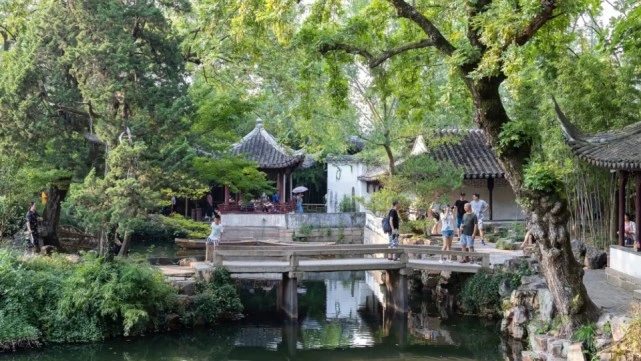
One of China's four most famous classical gardens, Suzhou's largest classical garden features water scenery as its highlight, with pavilions, terraces, towers, and gazebos arranged in a picturesque layout, showcasing the essence of Jiangnan garden design.
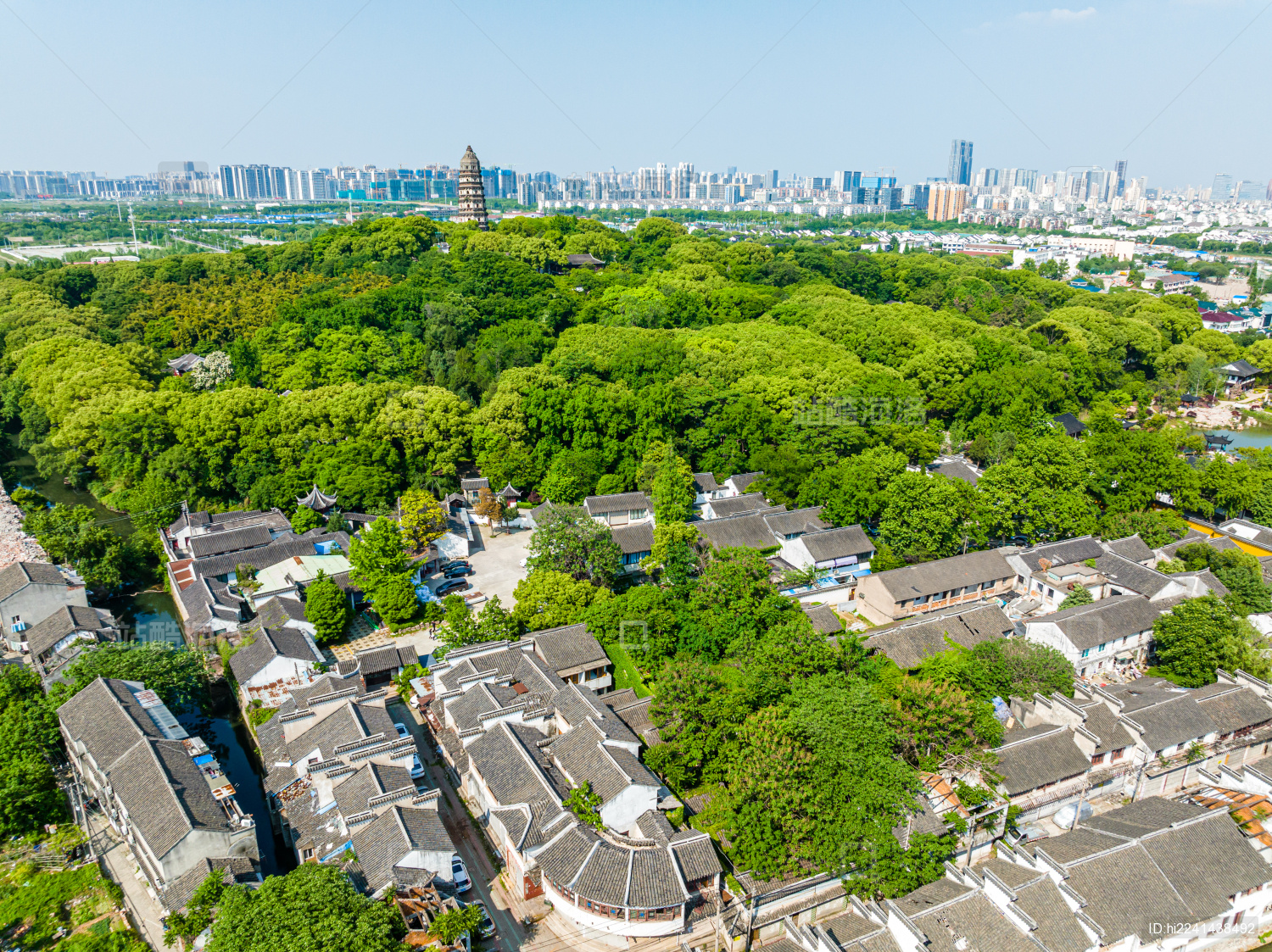
Known as the "Number One Scenic Spot in Wu," the Tiger Hill Pagoda is a landmark of Suzhou with a long history. Legend has it that King Helü of Wu is buried here.
UNESCO World Heritage Sites
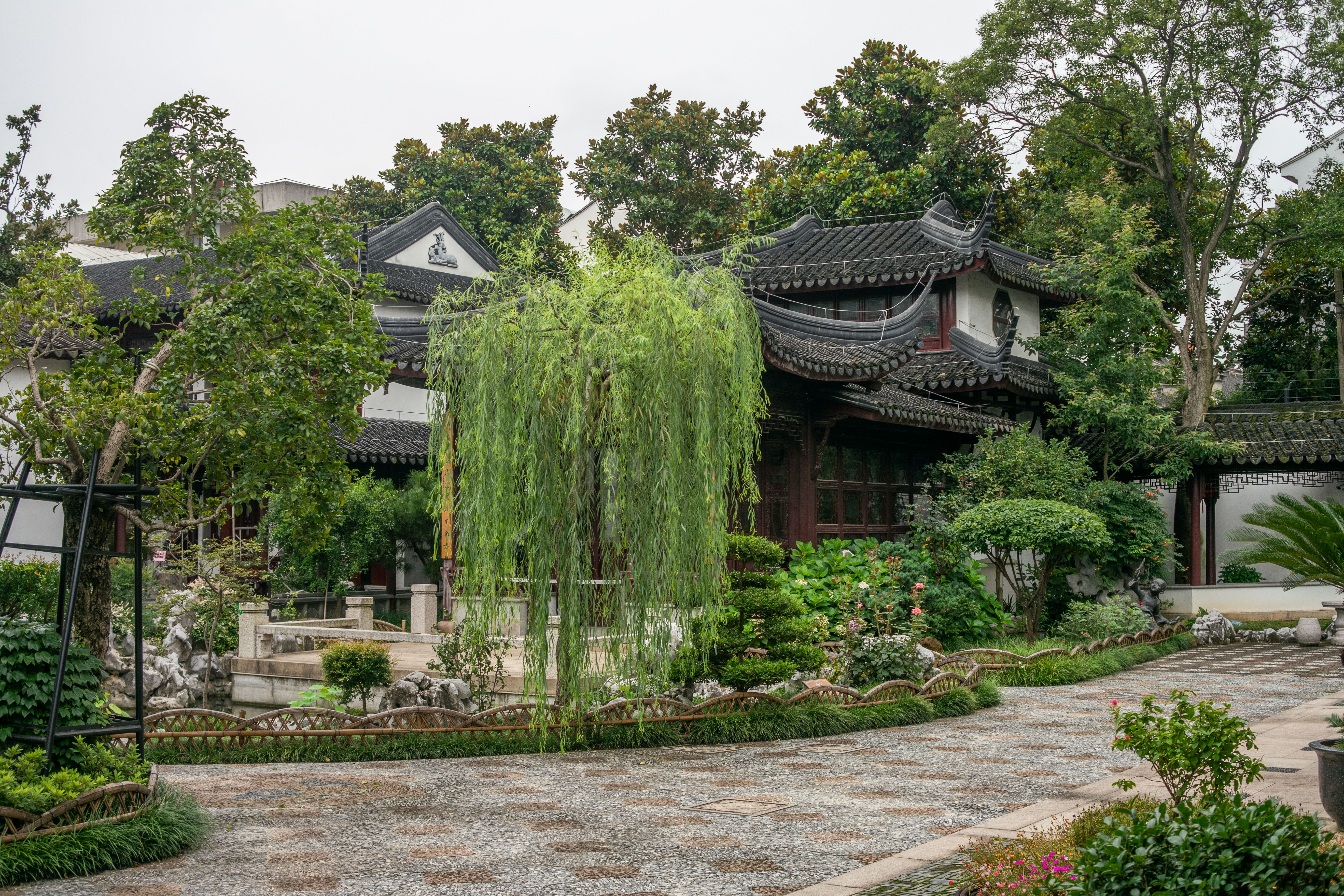
The nine gardens, including the Humble Administrator's Garden, Lingering Garden, Master-of-Nets Garden, Mountain Villa with Embracing Beauty, Surging Waves Pavilion, Lion Grove Garden, Art Garden, Couple's Garden Retreat, and Retreat & Reflection Garden, represent the pinnacle of classical Chinese garden art.
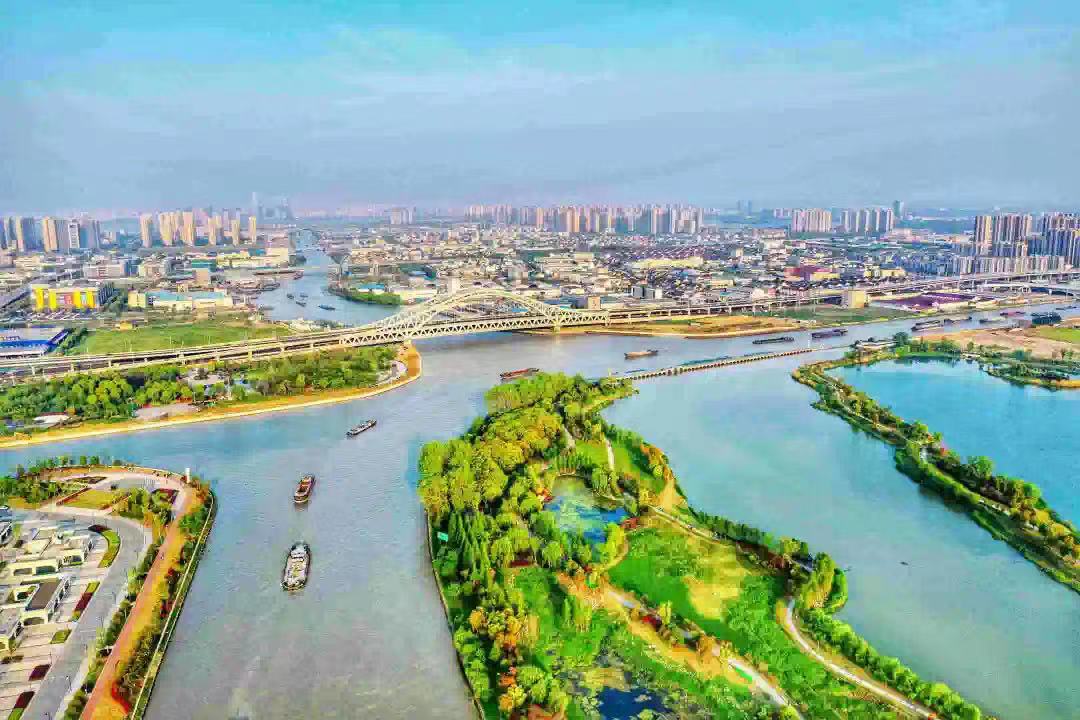
The Suzhou section of the canal is a crucial part of the Beijing-Hangzhou Grand Canal, featuring historical sites such as Shantang River and Panmen, which bear witness to Suzhou's prosperity.
Explore rich intangible cultural heritage and traditional crafts
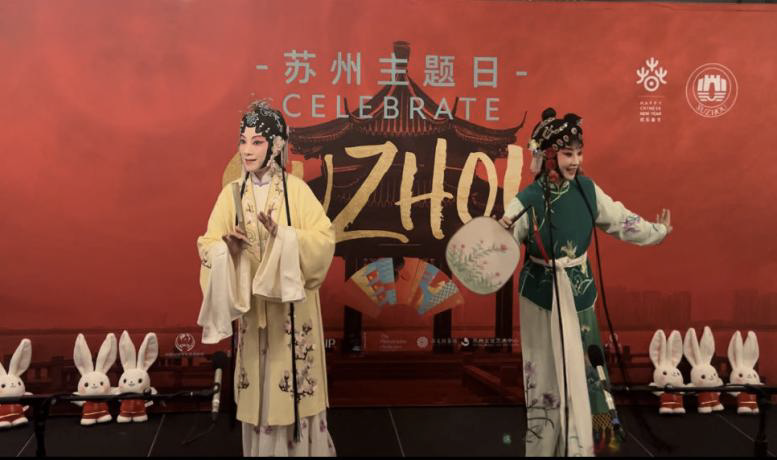
One of the oldest forms of Chinese opera, originating from Kunshan, Suzhou, it is known as the "ancestor of all operas" and is celebrated for its elegant lyrics and delicate performance.
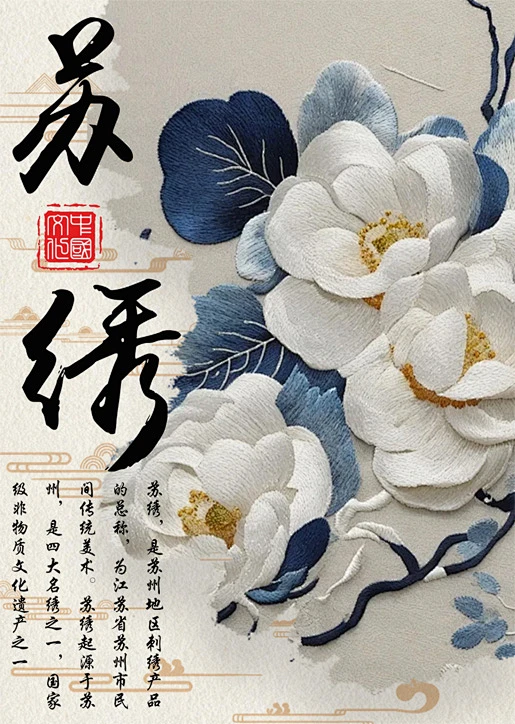
The first of China's four famous embroidery styles, known for its delicacy, elegance, and cleanliness. The embroidery work is exquisite, with soft colors. Representative works include double-sided embroidery.
Must-know transportation for exploring the city
Currently, Suzhou does not have its own civilian airport. Tourists usually fly to Shanghai Hongqiao International Airport (about 80 minutes by high-speed rail to Suzhou) or Shanghai Pudong International Airport (about 2 hours), or they can fly to Wuxi Shuofang Airport (about a 30-minute drive).
Shanghai Hongqiao/Pudong Airport, domestic flights approximately 500-2000 yuan.
Suzhou has multiple railway stations, with the main high-speed rail stations being Suzhou North Station (Beijing-Shanghai High-Speed Railway) and Suzhou Station (Shanghai-Nanjing Intercity Railway). The fastest travel time from Shanghai to Suzhou is just over 20 minutes, from Nanjing about 1 hour, and from Beijing about 4.5 hours.
Shanghai-Suzhou second-class seat is about 40 yuan.
Taste the most authentic and popular local specialties

A classic dish of Suzhou cuisine, the mandarin fish is deboned, scored, and deep-fried until golden brown, taking the shape of a squirrel. It is then topped with a sweet and sour sauce, resulting in a crispy exterior and tender interior.
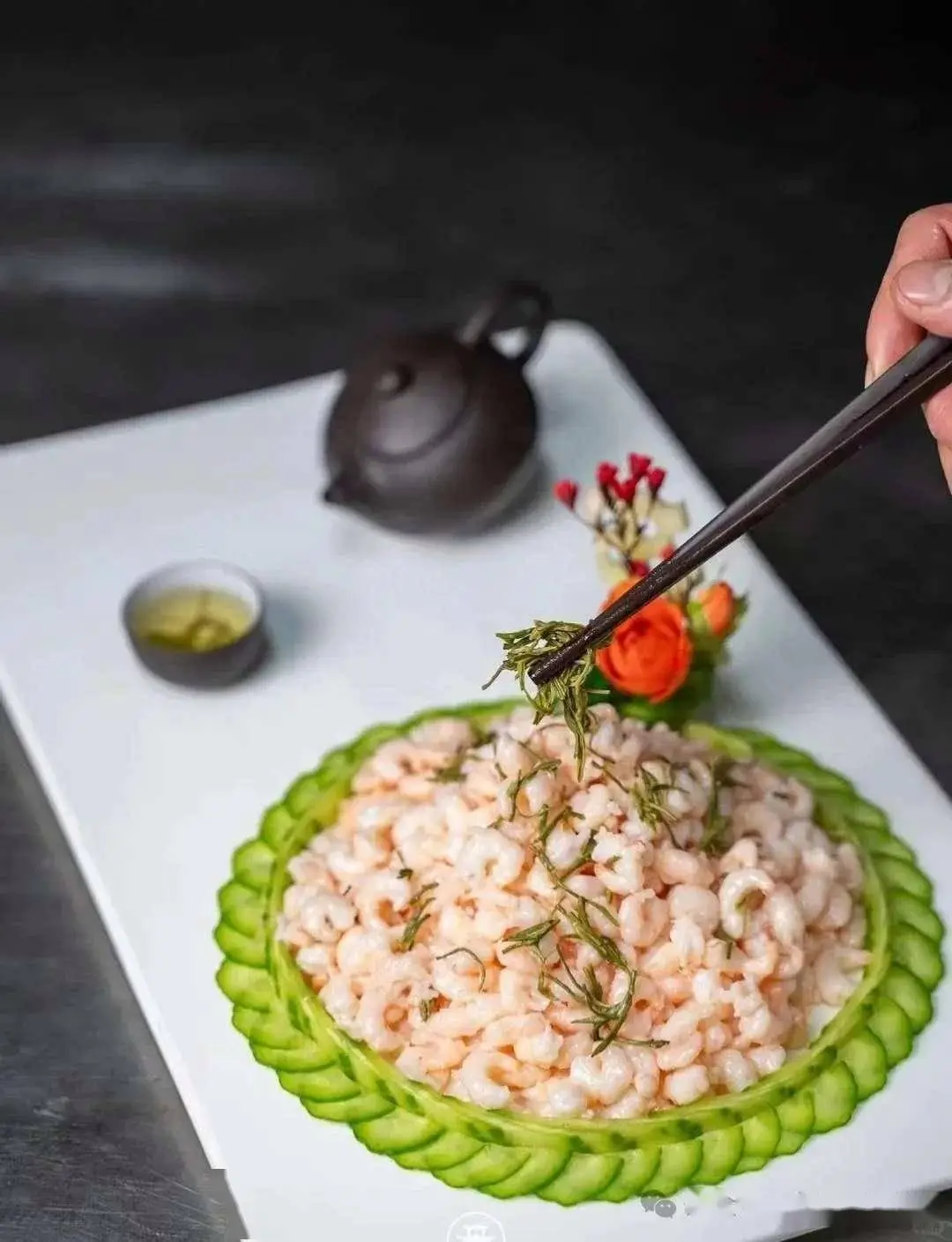
Stir-fried with Taihu white shrimp and local Biluochun tea, the shrimp is tender and the tea aroma is elegant, making it a signature Suzhou dish.
Su Shunqin, a poet of the Northern Song Dynasty, built the Canglang Pavilion, which is the oldest existing garden in Suzhou and marked the beginning of Suzhou's garden art.
When the Taiping Army occupied Suzhou, the city suffered severe damage, but later Li Xiucheng built the Zhongwang Mansion, which remains the most intact surviving building from the Taiping Heavenly Kingdom era.
The China-Singapore Suzhou Industrial Park, established through government cooperation, has become a model of opening-up and international collaboration, propelling Suzhou's rapid economic growth.
Classical Gardens of Suzhou (the Humble Administrator's Garden, Lingering Garden, Master of the Nets Garden, and Mountain Villa with Embracing Beauty) were inscribed on the UNESCO World Heritage List, later expanded to nine gardens.
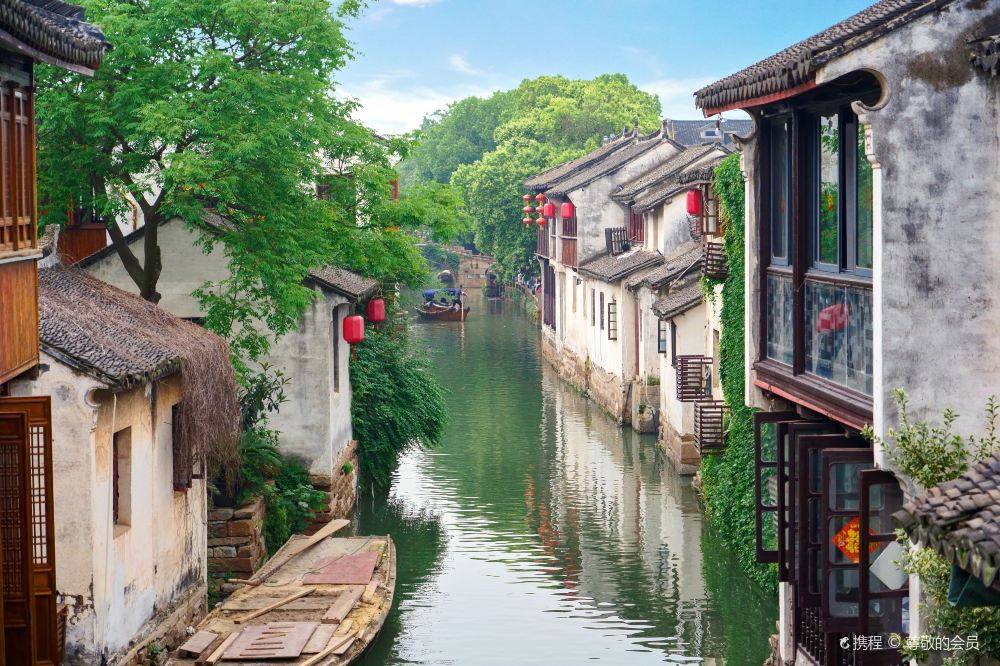
China's top water town features well-preserved Ming and Qing architecture and a layout of rivers and streets. A boat ride offers the charm of small bridges, flowing water, and local homes.
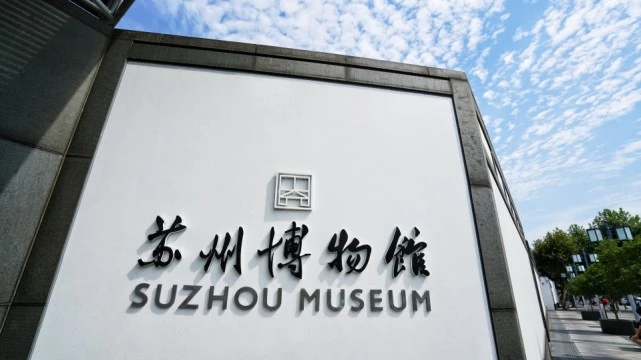
Designed by I. M. Pei, it blends tradition with modernity and boasts a rich collection, including works of the Wu School of painting and Ming and Qing Dynasty handicrafts.
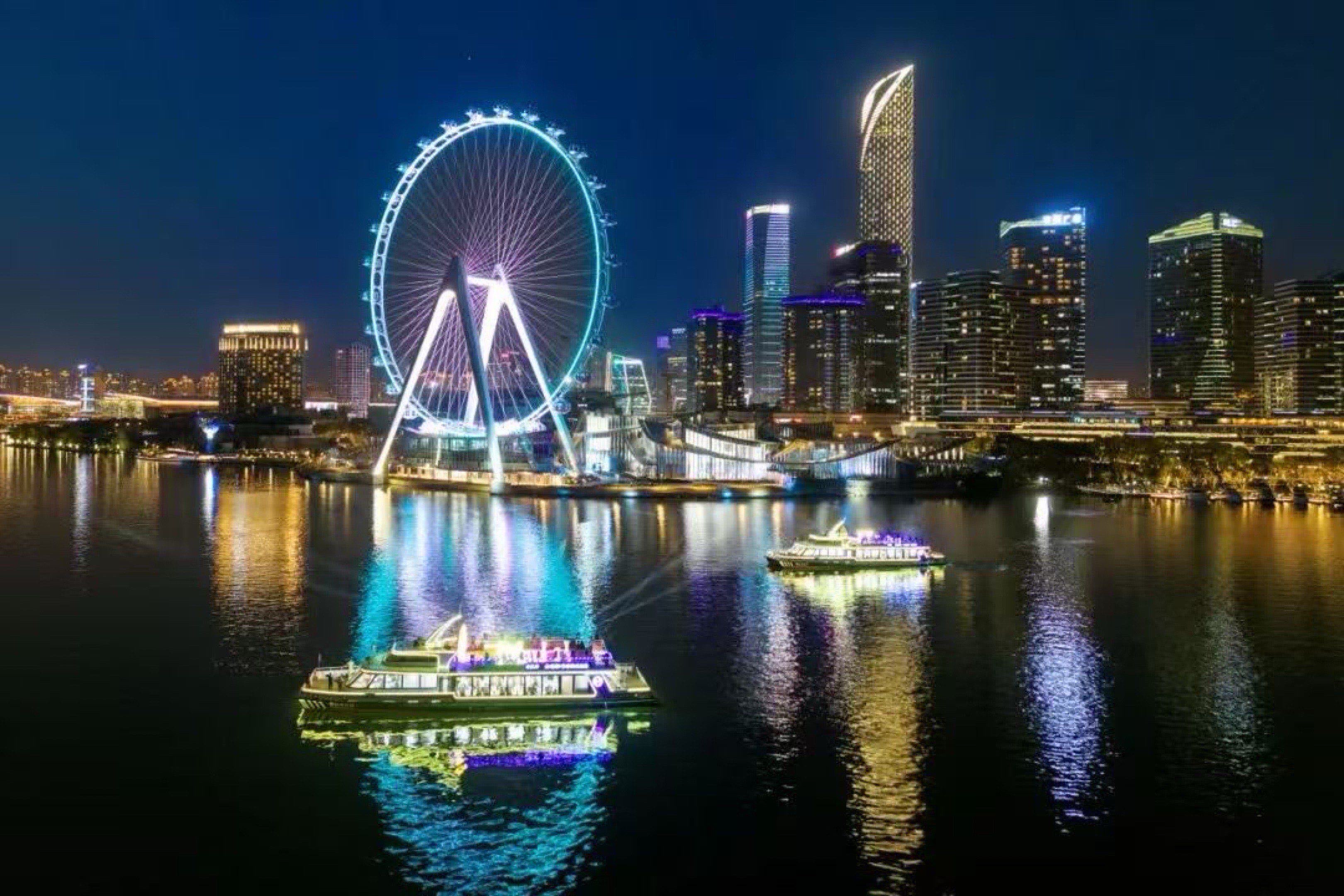
The modern city card of Suzhou integrates business, leisure, and entertainment, featuring a Ferris wheel, music fountains, and a captivating night view.
Suzhou has opened multiple metro lines covering major attractions and commercial areas, with fares ranging from 2 to 8 yuan. The bus network is well-developed, with fares of 1 to 2 yuan. Taxi starting fare is 13 yuan. Ride-hailing apps (such as Didi) are also very convenient.
Metro 2-8 yuan, bus 1-2 yuan, taxi starting fare 13 yuan.
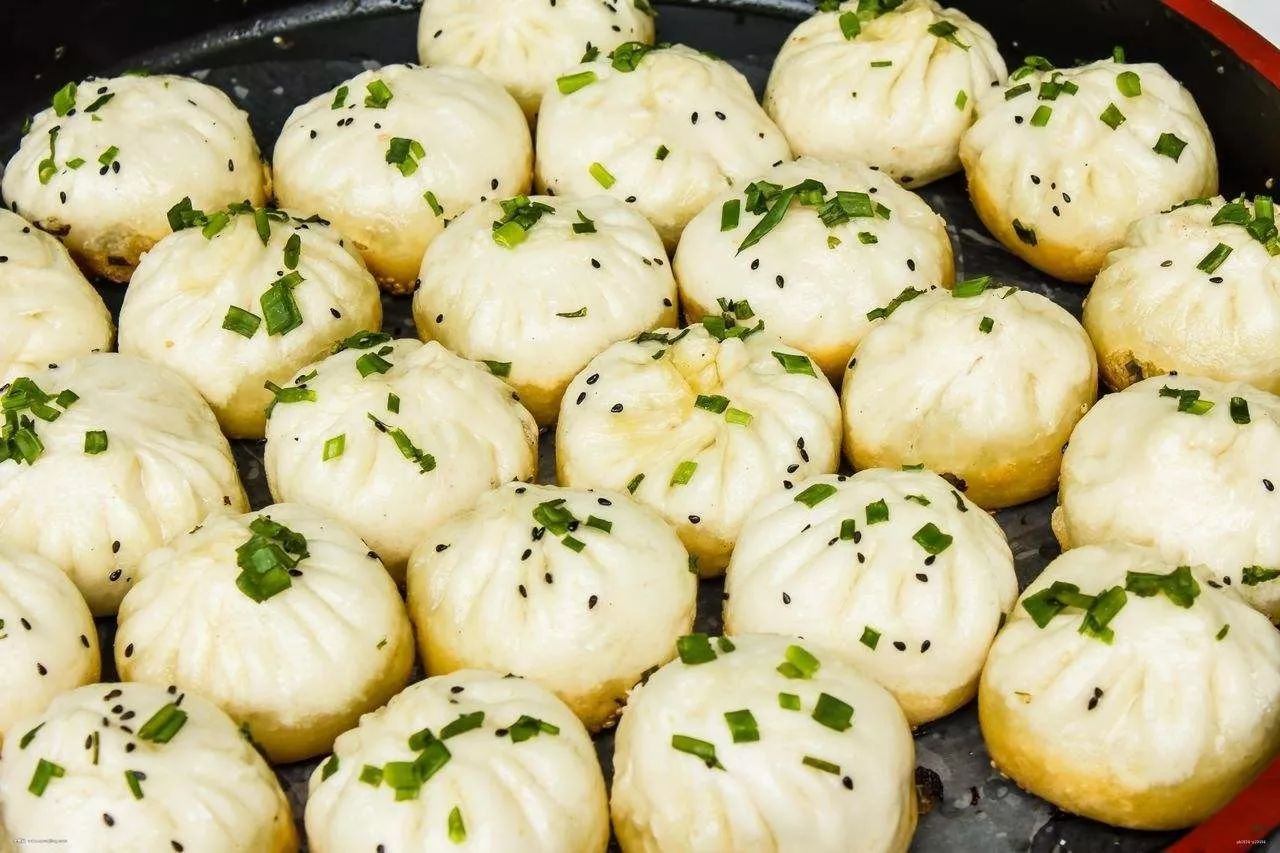
A common street snack in Suzhou, with a golden and crispy bottom and juicy filling that bursts with soup when bitten into.
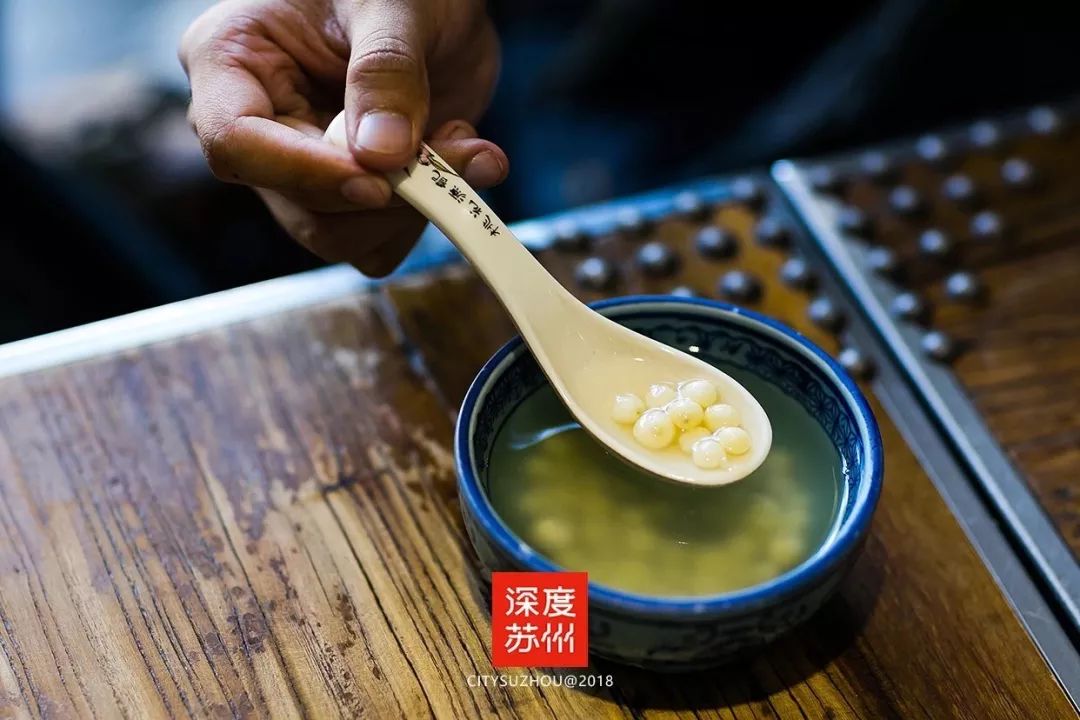
Traditional dessert made by simmering glutinous rice and japonica rice, adding red bean paste and osmanthus, with a dense and sweet texture.
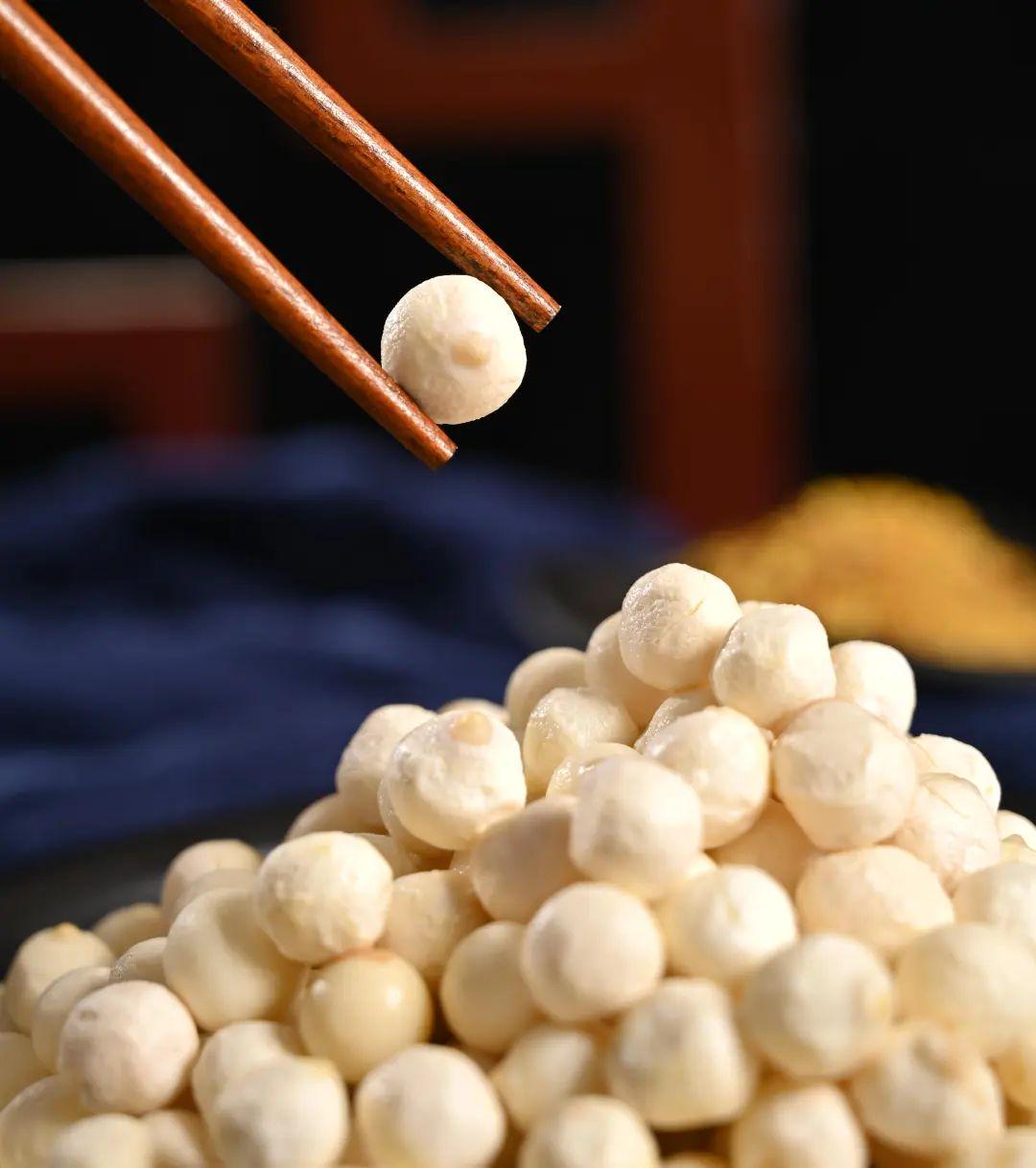
Suzhou's specialty is the seed kernel of the water lily family plant Gorgon fruit, which can be boiled in syrup or stir-fried plain. It has a soft and sticky texture and offers health benefits.