
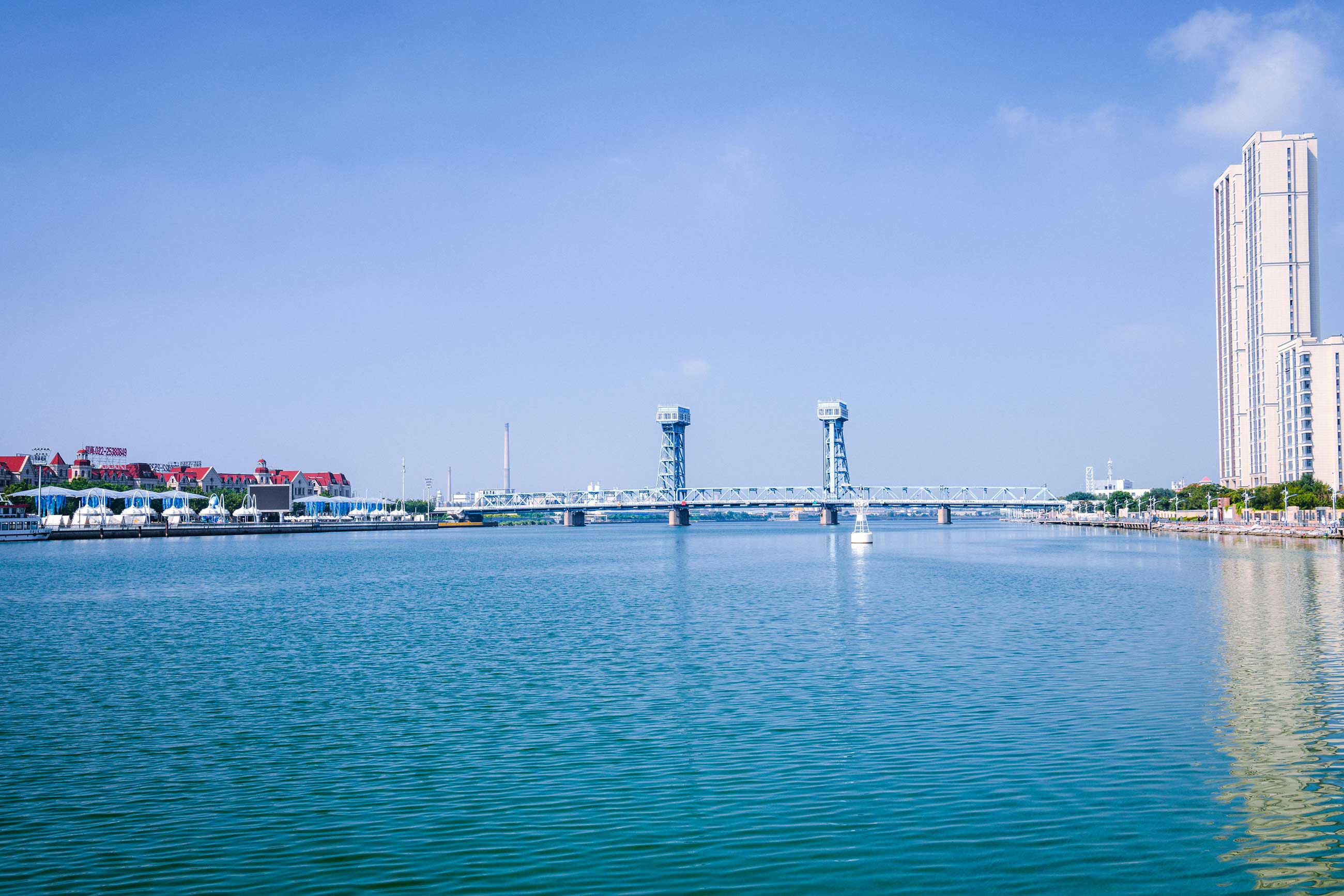
Qingdao is located in the southeastern part of the Shandong Peninsula, bordered by the Yellow Sea to the east and Jiaozhou Bay to the south. It has a temperate monsoon climate with four distinct seasons, featuring cool and pleasant summers and mild winters with little snow. Covering a total area of 11,293 square kilometers, the city boasts a long, winding coastline, numerous natural harbors, and golden sandy beaches, earning it the reputation of the "Switzerland of the East."
Qingdao's history dates back to the Ming Dynasty. After being forcibly occupied by Germany in 1897, it rapidly developed into a port city, leaving behind European-style architecture and urban planning. After 1949, it became an important industrial city in New China. Its unique scenery of "red tiles, green trees, blue sea, and clear sky" blends Chinese and Western cultures, making Qingdao one of China's most romantic and artistic coastal cities.
Qingdao is the "City of Beer," and its annual Qingdao International Beer Festival in August attracts visitors from around the world. The local cuisine features seafood and Shandong dishes, with must-tries like spicy stir-fried clams and mackerel dumplings. The pace of life here is relaxed, making coastal spots like Zhanqiao Pier and Badaguan ideal for leisurely strolls, where a vibrant local atmosphere blends with rich maritime culture.
Today, Qingdao is a major economic center in China, home to world-renowned enterprises such as Haier and Hisense. Qingdao Port is the fifth largest port in the world, with a prominent status as an international shipping hub. In the future, it will build an integrated land-sea transport hub for the Belt and Road Initiative, develop into a modern international metropolis, and lead the way in marine economy and technological innovation.
The best time to visit 青岛 is Best travel time: May to October.
The best time to visit Qingdao is from May to October, when the climate is mild and humid, with an average temperature of 20-25°C and suitable sea temperatures for swimming and water activities. Particularly in July and August, the Qingdao International Beer Festival is held grandly, creating a vibrant city atmosphere. September and October bring crisp autumn weather and abundant seafood, making it the golden season for enjoying seafood.
Spring (March to May): Temperatures rise in Qingdao, flowers bloom everywhere. The cherry blossom festival at Zhongshan Park (mid-April to early May) is the highlight, with the park filled with cherry blossoms resembling clouds and rosy mist. Stroll along the Zhanqiao Pier and Badaguan to feel the gentle sea breeze, while Laoshan begins to turn green. However, there is a significant temperature difference between morning and evening, so a jacket is necessary.
Autumn (September-November) features clear skies and crisp, pleasant temperatures, making it the best season for climbing Laoshan Mountain to view the sea. During the September Seafood Festival, you can taste the freshest crabs and prawns. The Qingdao International Sailing Week in October showcases the charm of marine sports. The fallen leaves in Badaguan complement the European-style architecture beautifully, making it ideal for photography.
In 1897, Germany forcibly occupied Qingdao under the pretext of the "Juye Incident" and signed the "Jiaozhou Bay Lease Treaty" the following year, turning Qingdao into a colony and initiating large-scale urban construction.
Recommended places to visit
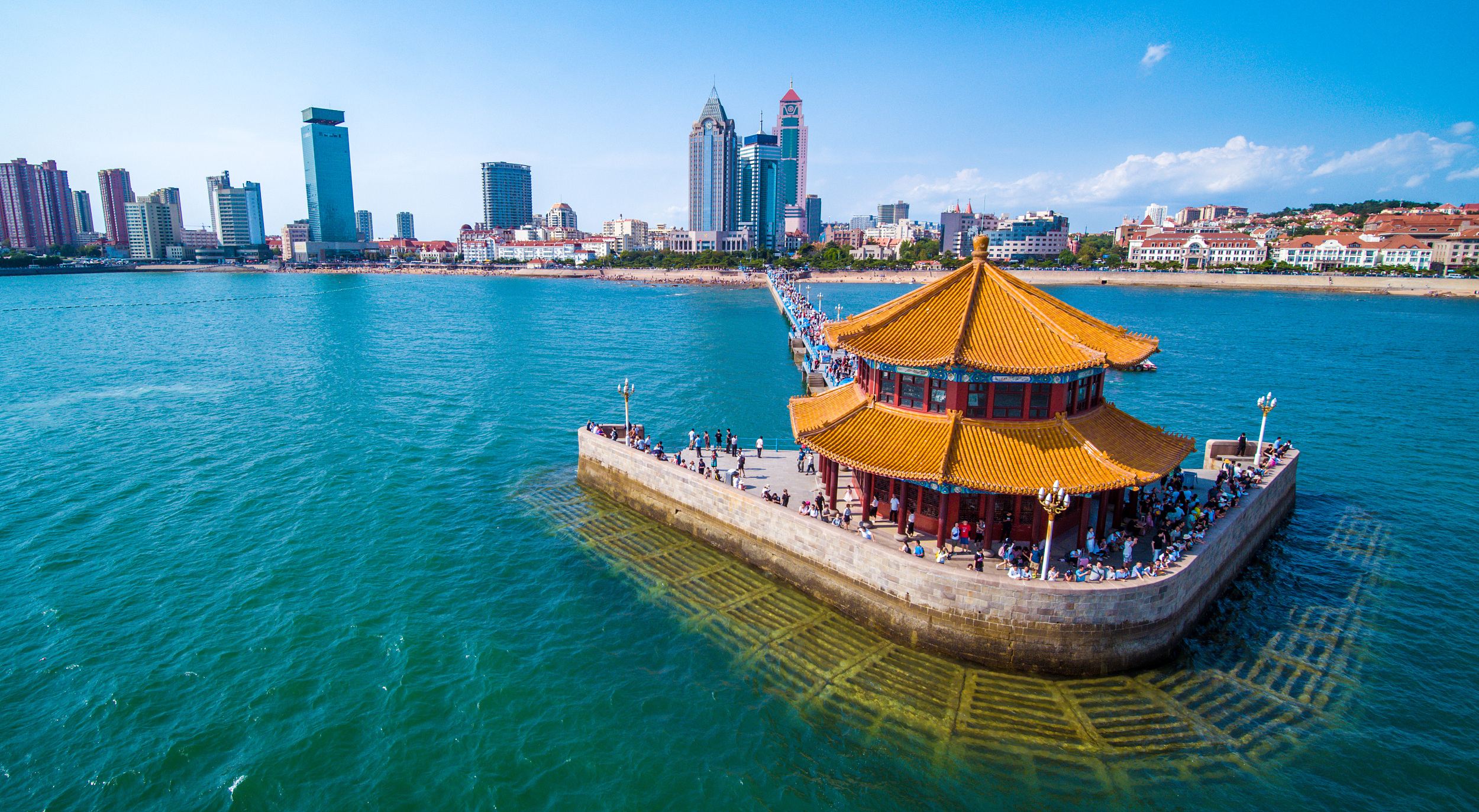
The iconic building of Qingdao, stretching 440 meters into the sea, with Huilan Pavilion at its end. Built in 1892, it is a classic spot for enjoying sea views and taking photos.
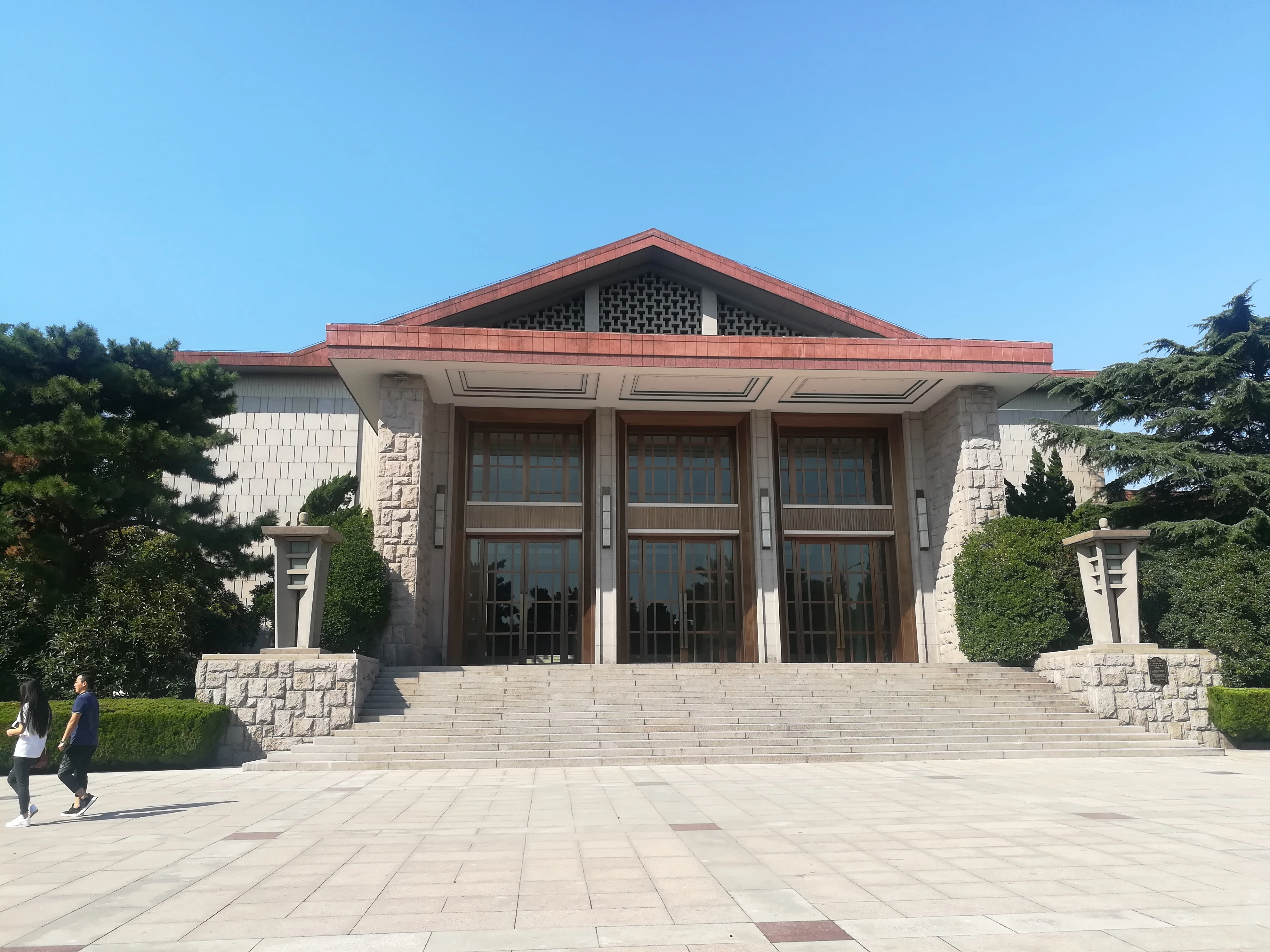
Comprising eight roads named after famous Chinese mountain passes, it brings together architectural styles from more than 20 countries, including Russia, Britain, France, and Germany, earning it the title of "Museum of International Architecture."
UNESCO World Heritage Sites
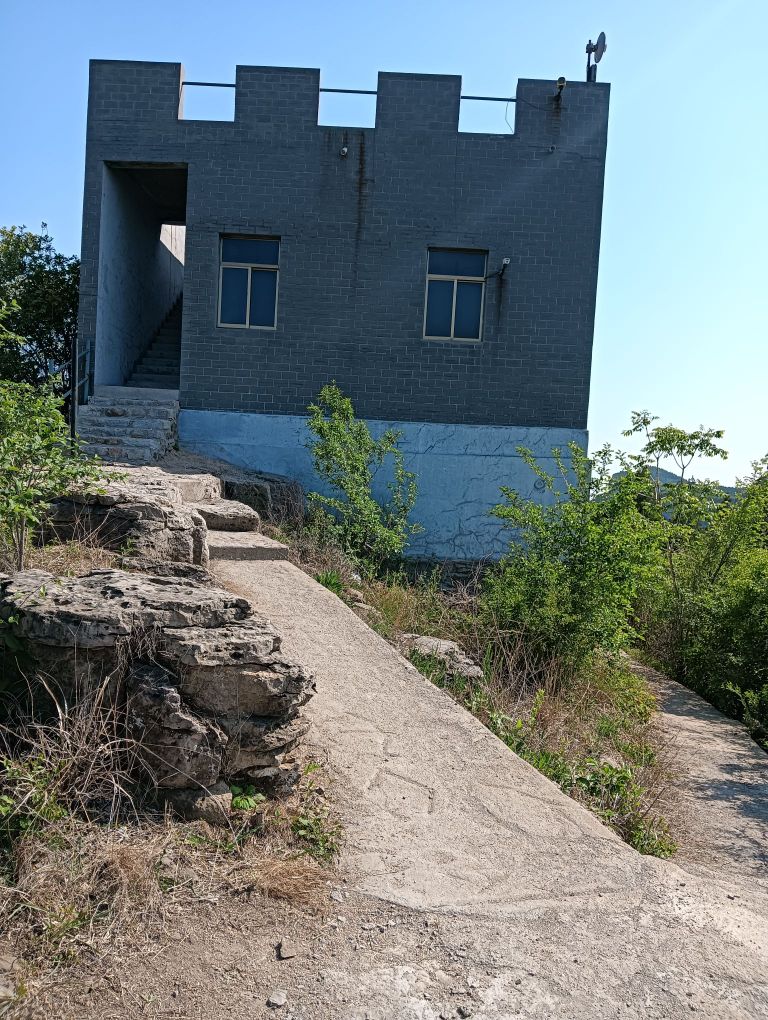
The Qi Great Wall was first built during the Spring and Autumn period and is one of the oldest existing Great Walls in China. The Qingdao section, located in Jiaonan City, winds along the mountain ridges, bearing witness to ancient military defense engineering.
Explore rich intangible cultural heritage and traditional crafts
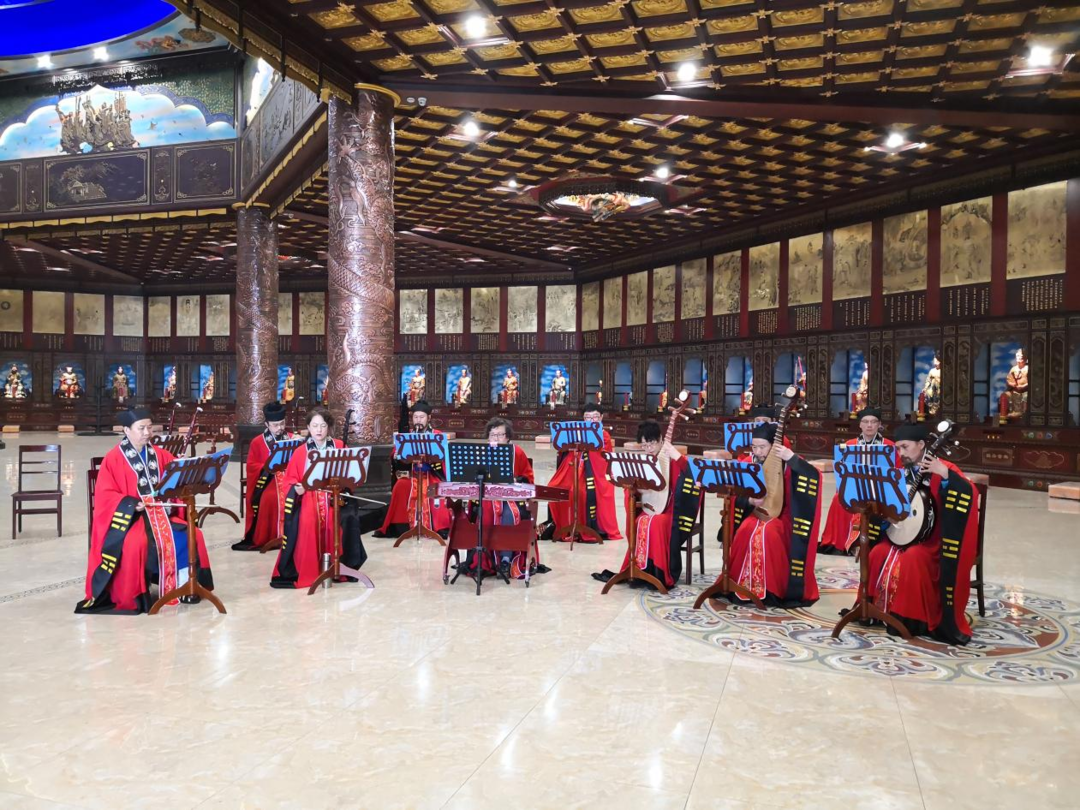
Mount Lao Taoist music is an important genre of Chinese Taoist music, blending court music with folk melodies. Its tunes are melodious and full of ritualistic atmosphere.
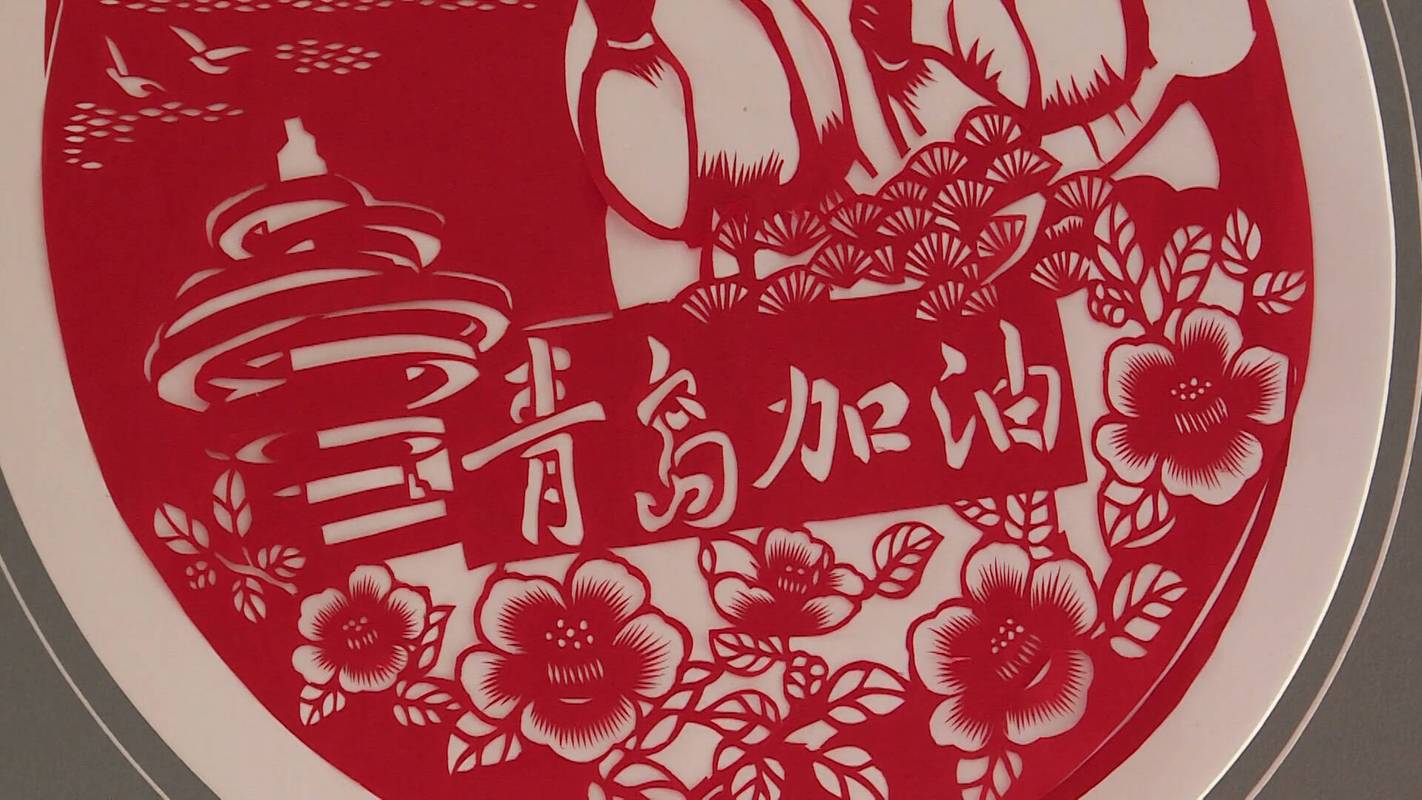
Qingdao paper-cutting, represented by Jiaozhou paper-cutting, features full compositions, bold lines, and themes that often reflect marine life and folk customs, with striking color contrasts.
Must-know transportation for exploring the city
Qingdao Jiaodong International Airport (TAO) is a 4F-level airport with extensive domestic and international routes, serving all major domestic cities. The airport is about 50 kilometers from the city center and can be reached by Metro Line 8, airport shuttle buses, or taxis.
Domestic economy class approximately 300-1500 RMB
Qingdao Station (Shinan District) and Qingdao North Station (Licang District) are the main railway stations. Qingdao Station is close to Zhanqiao Pier, mainly serving regular-speed trains and some high-speed trains; Qingdao North Station primarily handles high-speed trains, connecting to cities such as Beijing, Shanghai, and Jinan. Metro Lines 1 and 3 connect the stations.
The second-class seat for Beijing-Qingdao high-speed rail is about 314 yuan.
Qingdao has opened 7 metro lines, covering major attractions and commercial areas. Bus fares range from 1-2 yuan, with some routes having air-conditioned vehicles. Taxi starting fare is 10 yuan. It is recommended to use Alipay or WeChat ride codes.
Taste the most authentic and popular local specialties
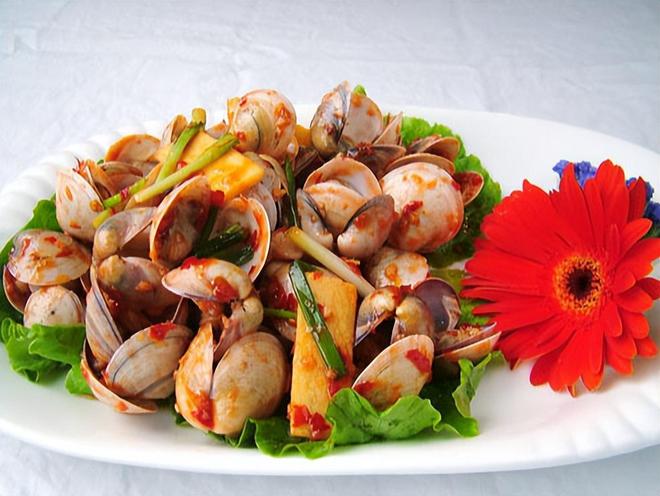
Qingdao's classic seafood stir-fry, featuring local clams as the main ingredient, quickly stir-fried with dried chili peppers and minced garlic. It's spicy, juicy, and pairs perfectly with drinks.
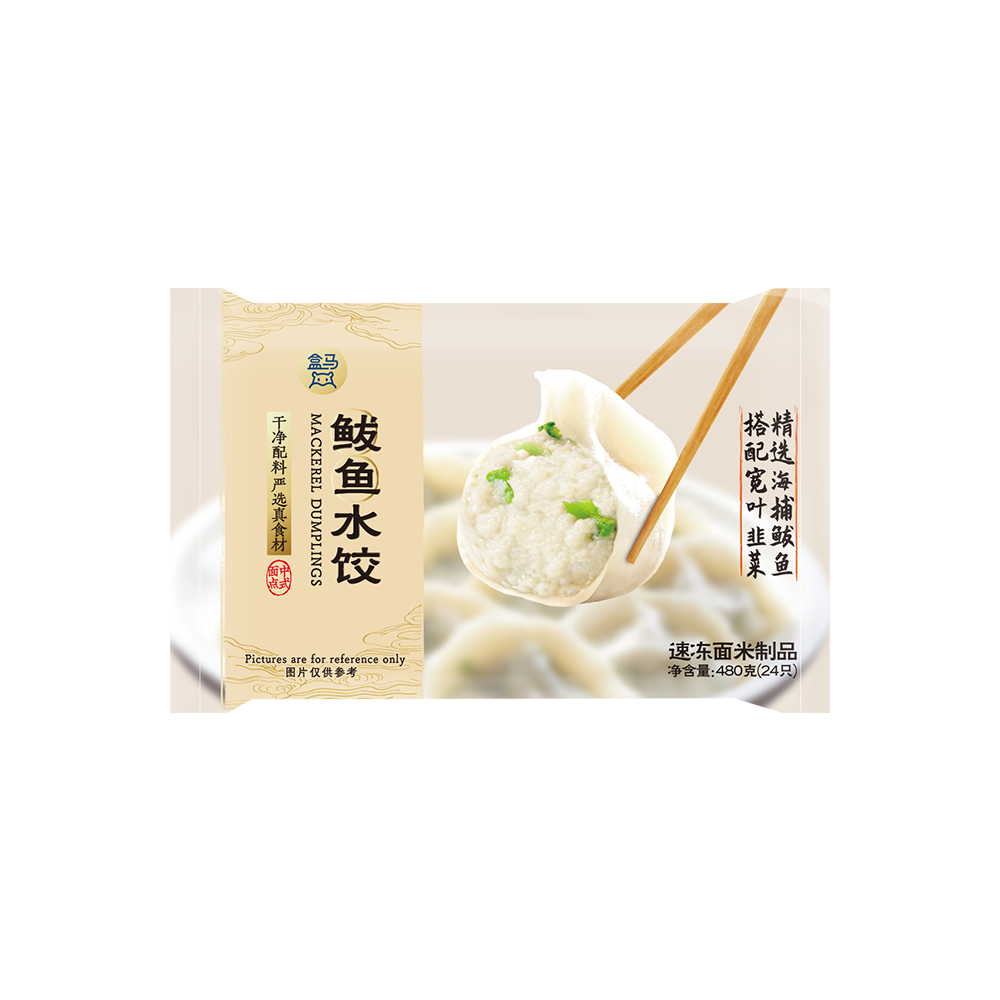
Qingdao-style dumplings feature fresh mackerel as the filling, tender and juicy, with thin wrappers and generous filling, often paired with chives to enhance flavor.
After the outbreak of World War I, Japan took advantage of Germany's inability to attend to its eastern interests and sent troops to occupy Qingdao in 1914, replacing Germany's rights and interests in Shandong.
After struggles such as the May Fourth Movement, China and Japan formally signed the "Treaty for the Settlement of the Shandong Question" in 1922, restoring China's sovereignty over Qingdao and its return to the motherland.
On June 2, 1949, the People's Liberation Army liberated Qingdao, marking the city's entry into the period of New China's construction and making it an important industrial and port city.
In 1984, Qingdao was listed as one of China's first 14 coastal open cities, accelerating its opening up and rapid economic development.
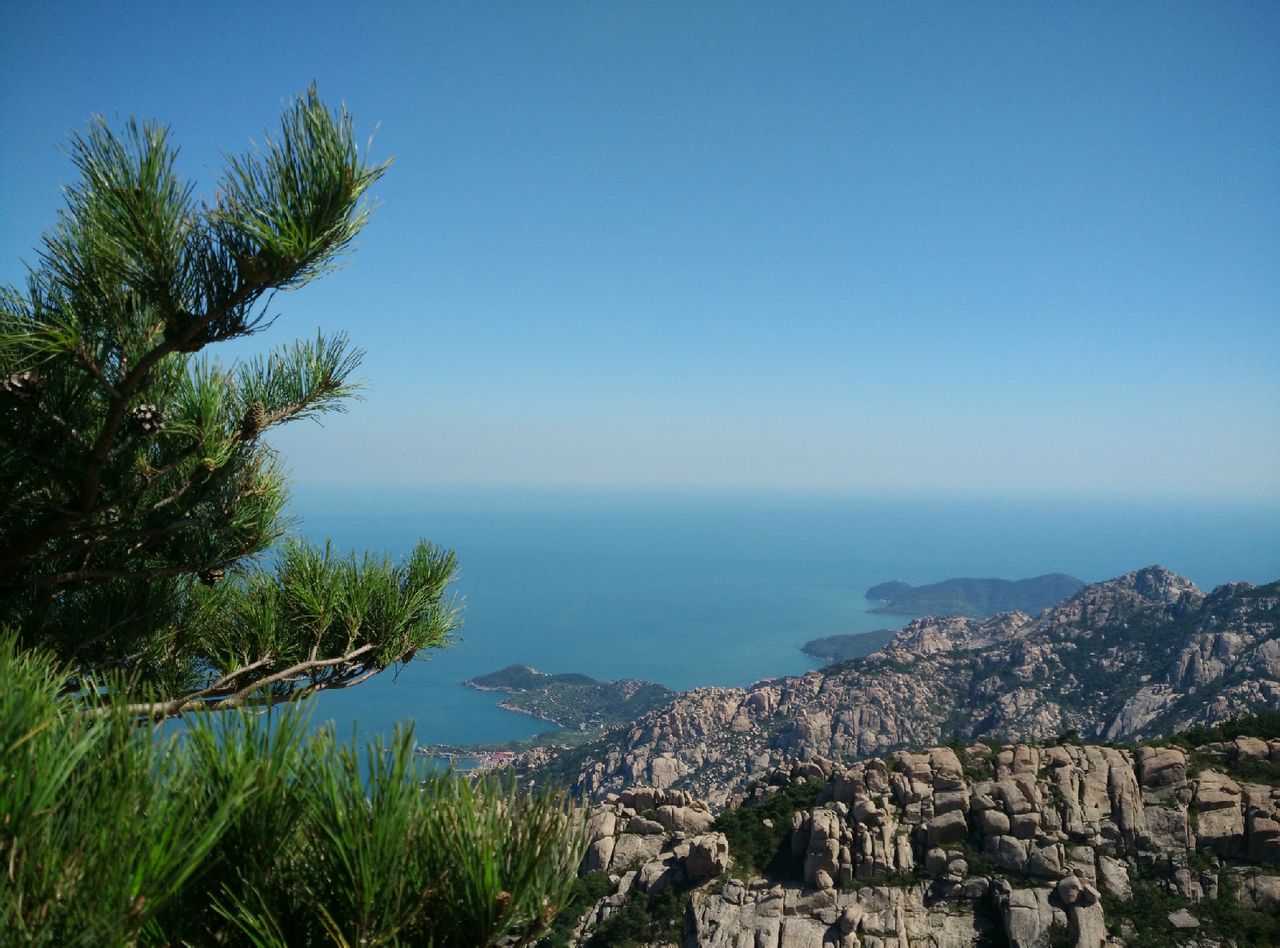
China's first highest peak along the coastline, a famous Taoist mountain, known as the "Number One Mountain by the Sea." Its scenery features remarkable mountain and sea views with Taoist culture, offering several hiking routes.
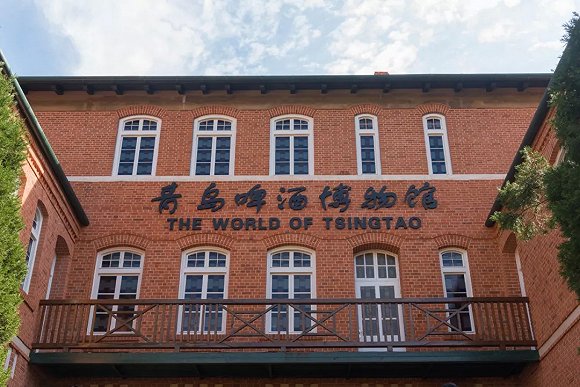
Located in a century-old factory of Tsingtao Brewery, it showcases the history, craftsmanship, and culture of beer brewing, and offers fresh draft beer for tasting.
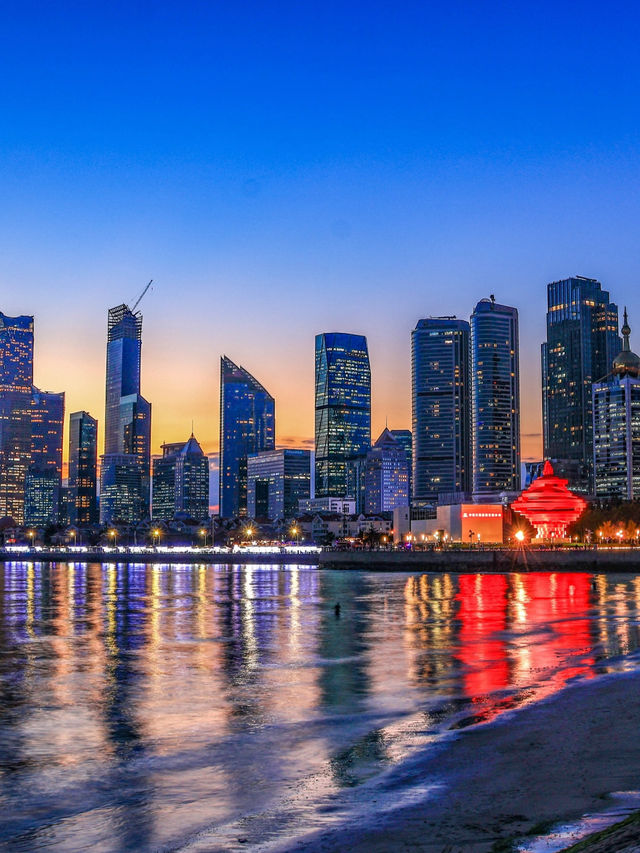
Built to commemorate the May Fourth Movement, the landmark sculpture "Wind of May" stands at 30 meters high and is a modern icon of Qingdao. The surrounding area is a shopping and leisure center.
Metro fare is 2-8 yuan, bus fare is 1-2 yuan.
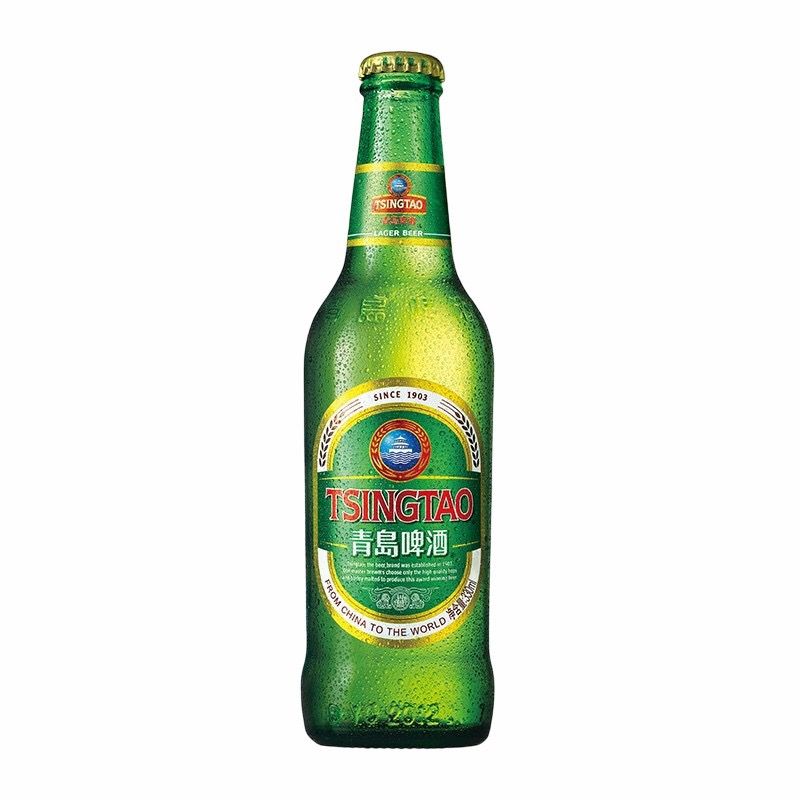
One of China's most famous beer brands, known for its refreshing taste and fine foam. The raw draft beer is the freshest and can only be enjoyed locally in Qingdao.
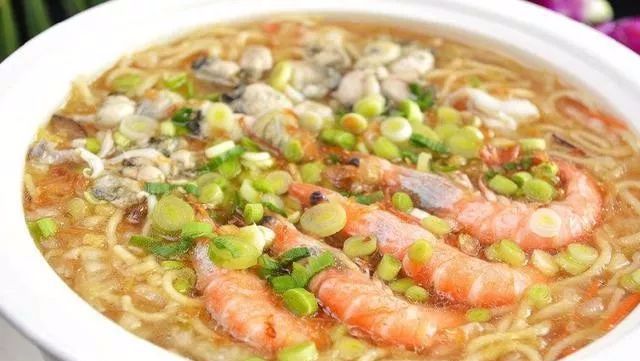
Qingdao-style noodles, featuring a broth made from clams, sea shrimp, and other seafood, with chewy noodles and a rich, savory soup.
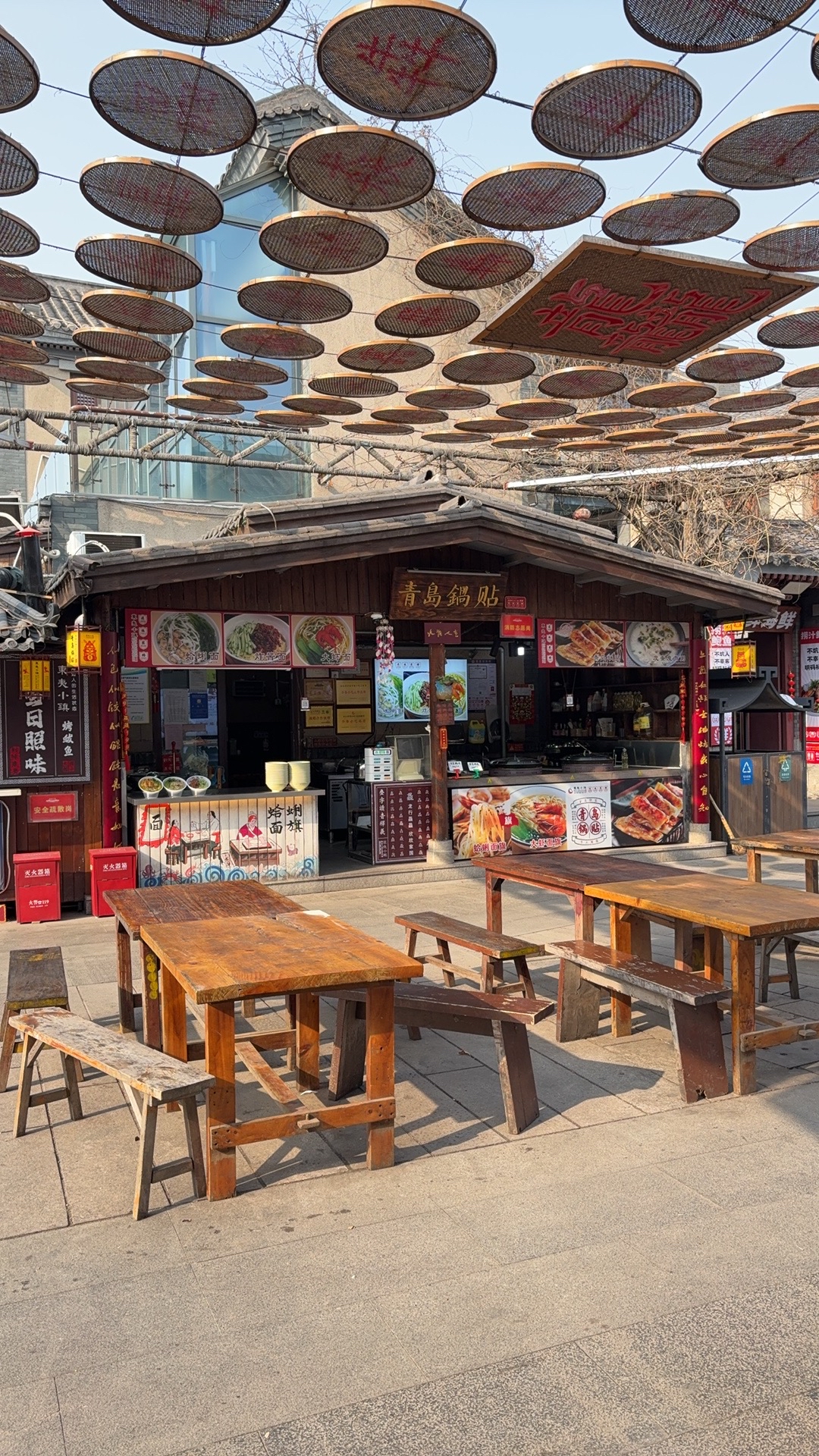
Crispy-bottomed, thin-skinned pan-fried dumplings with generous fillings, commonly stuffed with pork and cabbage or three-fresh combo; best enjoyed dipped in vinegar.