
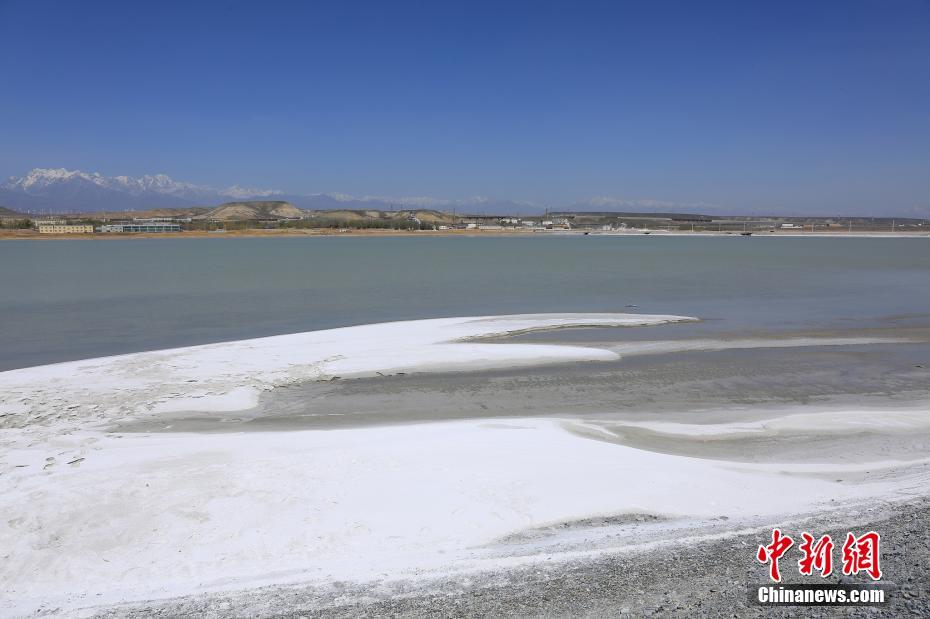
Ürümqi is located in central Xinjiang, at the northern foot of the Tianshan Mountains and the southern edge of the Junggar Basin, serving as the geographical center of the Asian continent. It has a temperate continental climate with large temperature differences between day and night, distinct seasons, short spring and autumn, and long winter and summer.
Ürümqi has a long history and has been an important town on the New Northern Silk Road since ancient times. During the Western Han Dynasty, this area belonged to the Kingdom of Jushi. In the Qing Dynasty under Emperor Qianlong, a city was built and named 'Dihua'. In 1884, when Xinjiang became a province, Dihua was made the capital. In 1954, it was renamed Ürümqi, meaning 'beautiful pasture' in Mongolian.
Ürümqi is a multi-ethnic city, primarily composed of Han, Uyghur, Hui, and Kazakh people. It boasts diverse cultures and rich cuisine: lamb skewers, big plate chicken, pilaf, laghman, baked buns, and more. Uyghur dance, the Twelve Muqam, and other intangible cultural heritages shine brightly.
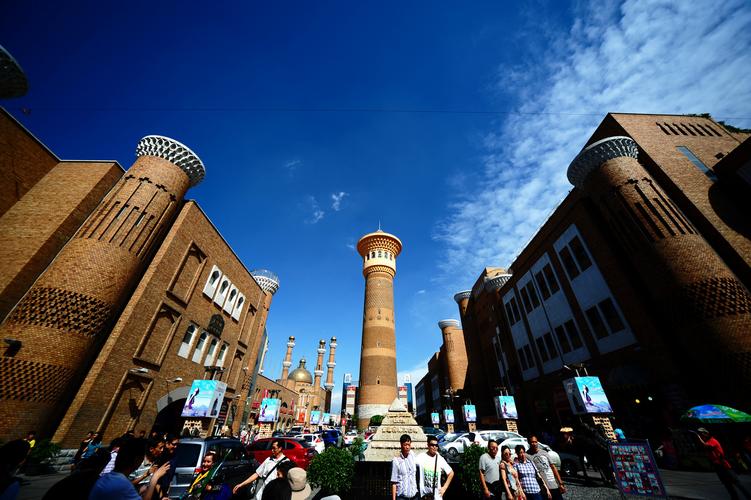
Modern Ürümqi is the political, economic, and cultural center of Xinjiang. As a key node city of the Belt and Road Initiative, it experiences rapid economic development, with modern landmarks like the International Grand Bazaar and Hongshan Mountain rising. The city has well-developed infrastructure and a convenient transportation network.
The best time to visit 乌鲁木齐 is Summer and Autumn (June to September).
June to September is the golden period for tourism in Ürümqi, with pleasant weather and ripe fruits. You can enjoy natural scenery like Tianshan Tianchi and Nanshan Pasture.
Spring (April-May) and autumn (October) have moderate temperatures, suitable for city sightseeing, but be aware of the large temperature difference between day and night.
Winter (November to March) is cold and dry, suitable for skiing and other ice activities, but you need to prepare for cold weather.
The Western Han established the Protectorate of the Western Regions, officially incorporating the Ürümqi area into Chinese territory.
During the Qianlong period of the Qing Dynasty, a city was built in Ürümqi and named 'Dihua', meaning 'enlightenment and education'.
In 1954, Dihua was officially renamed Ürümqi, meaning 'beautiful pasture' in Mongolian.
Recommended places to visit
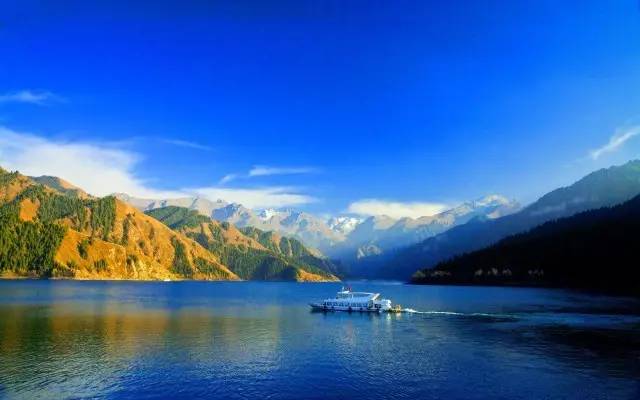
Located under the Bogda Peak of Tianshan, known as 'Jade Pool' in ancient times, with clear lake water reflecting snowy peaks, picturesque scenery.
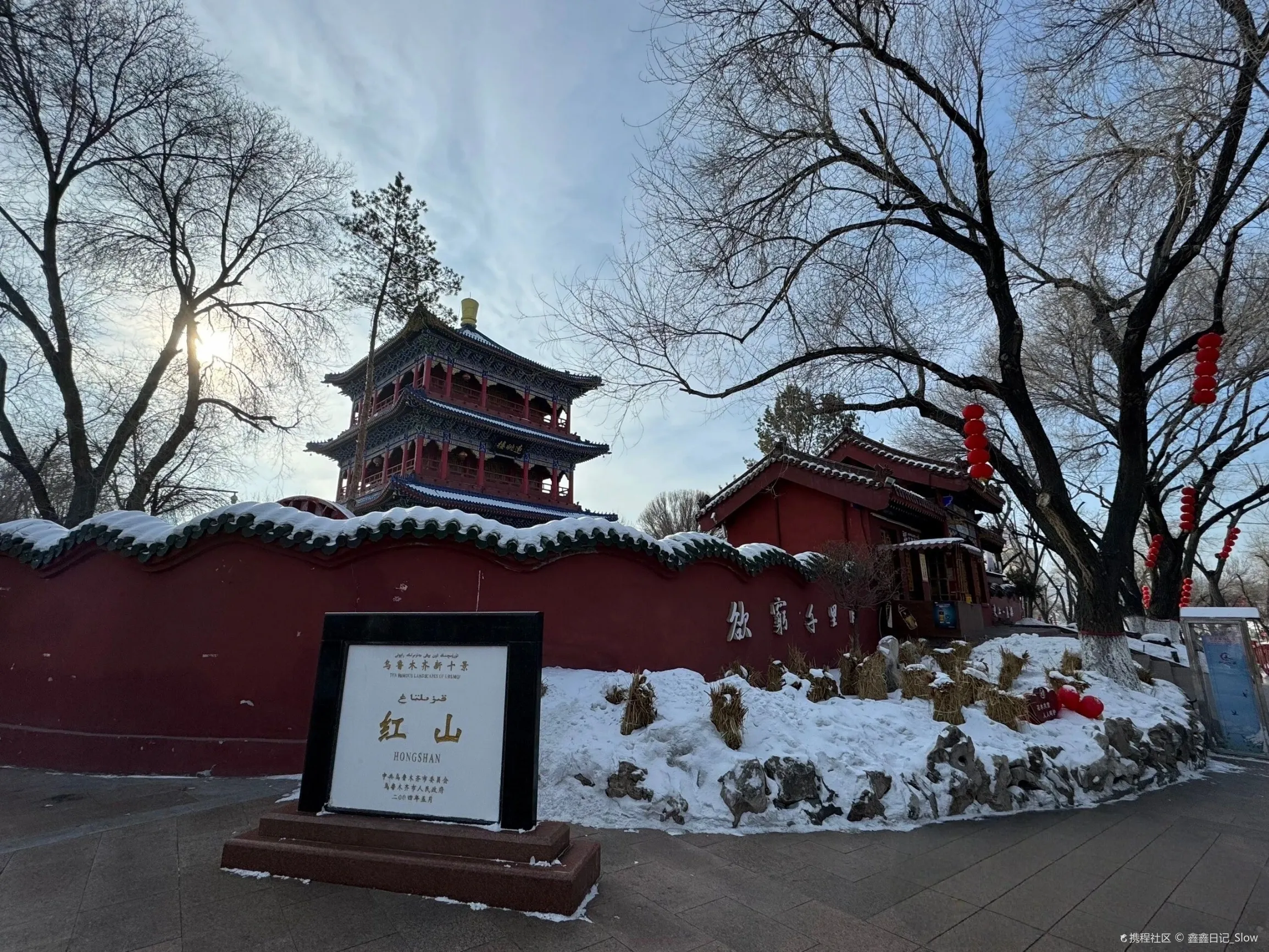
Landmark of Ürümqi, the hill is red in color, with the Red Hill Tower on top, offering a panoramic view of the city.
UNESCO World Heritage Sites
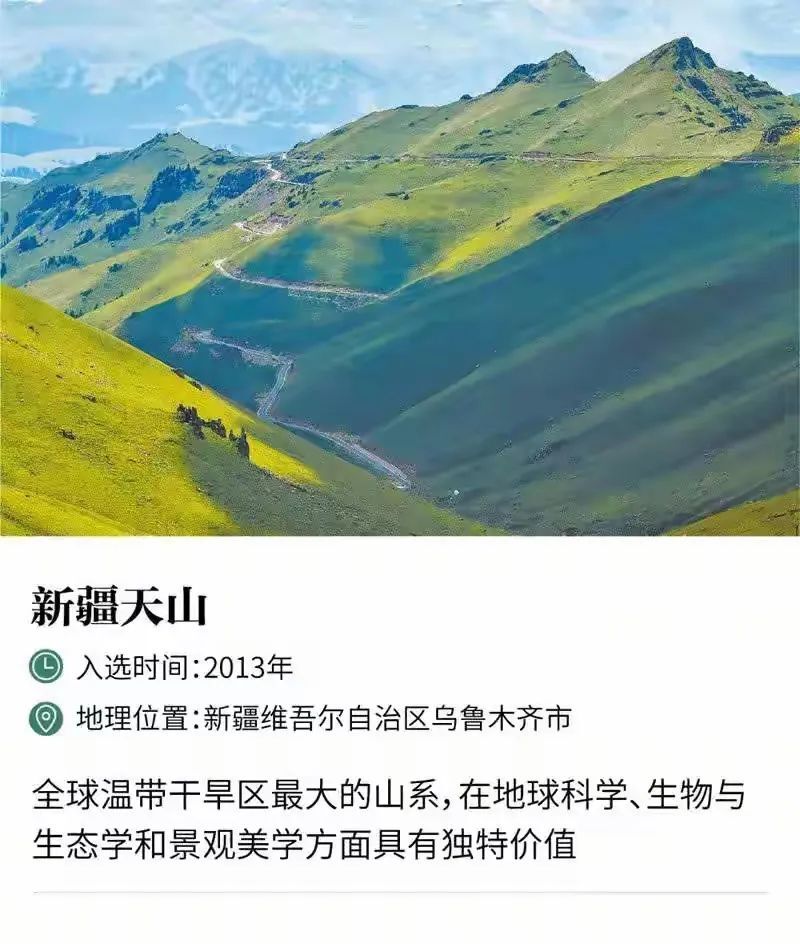
World Natural Heritage, including Tianshan Tianchi, Bogda Peak, etc., showcasing unique natural landscapes and biodiversity.
Explore rich intangible cultural heritage and traditional crafts
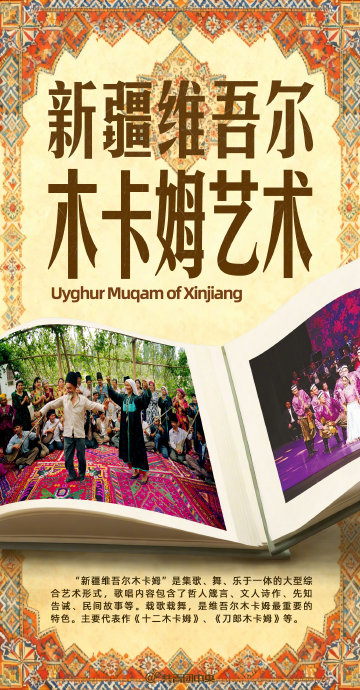
UNESCO Representative List of the Intangible Cultural Heritage of Humanity, a large comprehensive art form integrating song, dance, and music.
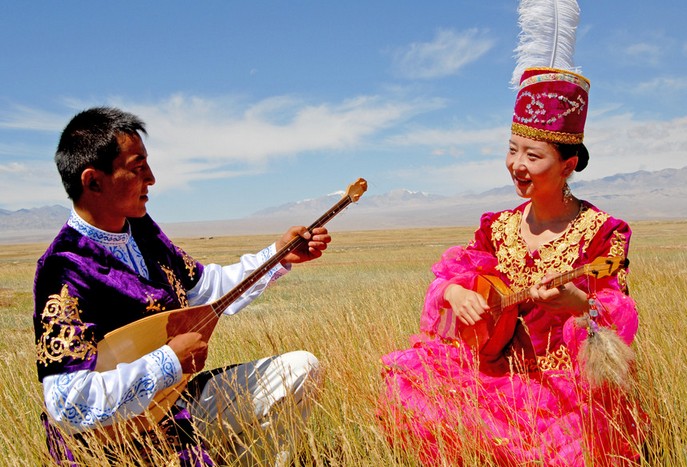
China's national intangible cultural heritage, Kazakh folk impromptu singing and playing art.
Must-know transportation for exploring the city
Important aviation hub in western China, with multiple domestic and international routes, about 16 km from city center.
Airport bus 20 RMB, taxi about 50 RMB
The largest railway station in Xinjiang, with high-speed rail to Lanzhou, Xi'an, Beijing, etc., convenient transportation.
High-speed rail fare depends on distance
Extensive bus network within the city, fare 1 RMB, some routes support mobile payment.
From 1 RMB
Taste the most authentic and popular local specialties
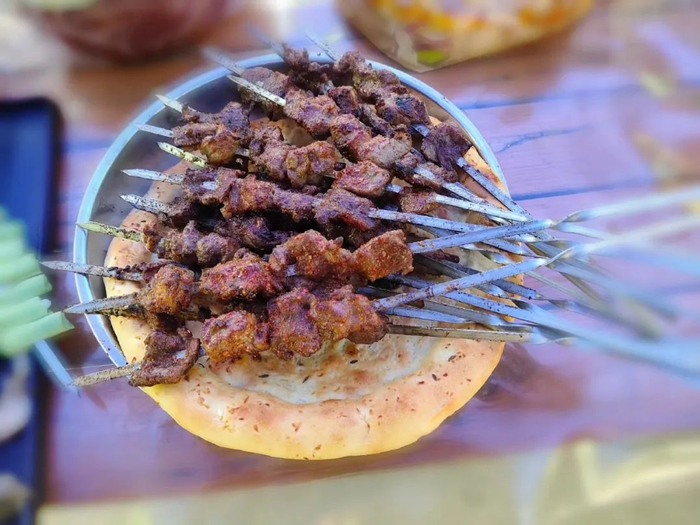
The most representative Xinjiang delicacy, lamb marinated and grilled over charcoal, crispy outside and tender inside, aromatic.
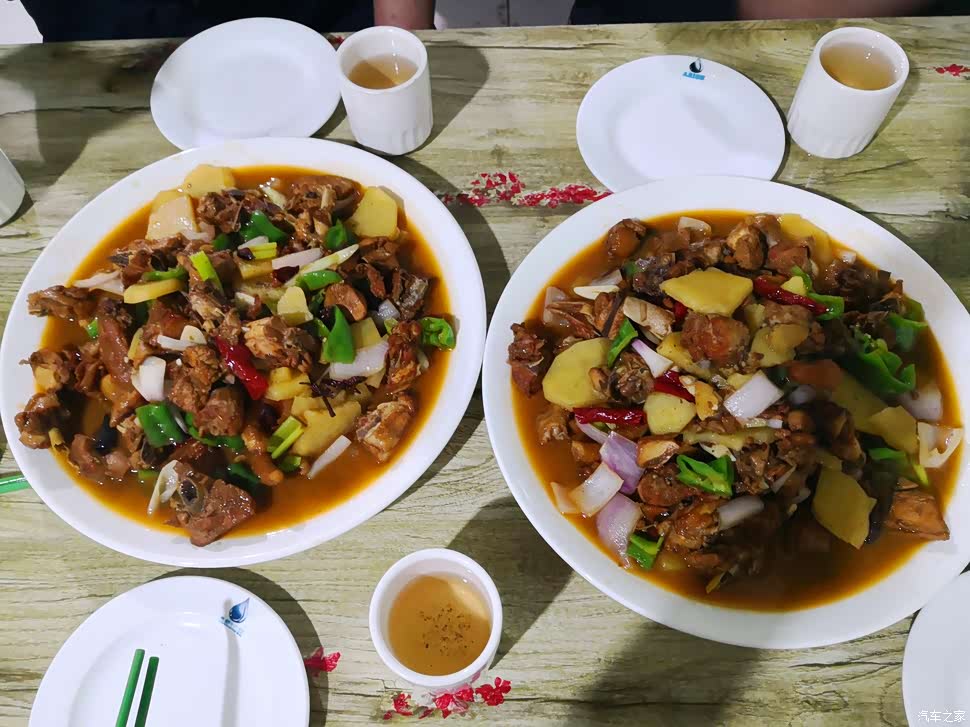
Chicken stewed with potatoes and peppers, served with wide noodles, rich flavor, a classic Xinjiang dish.
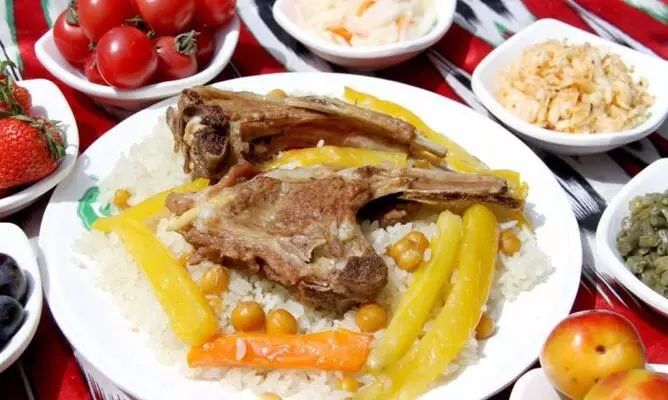
The largest bazaar in the world, integrating shopping, dining, and entertainment, reflecting strong ethnic customs.
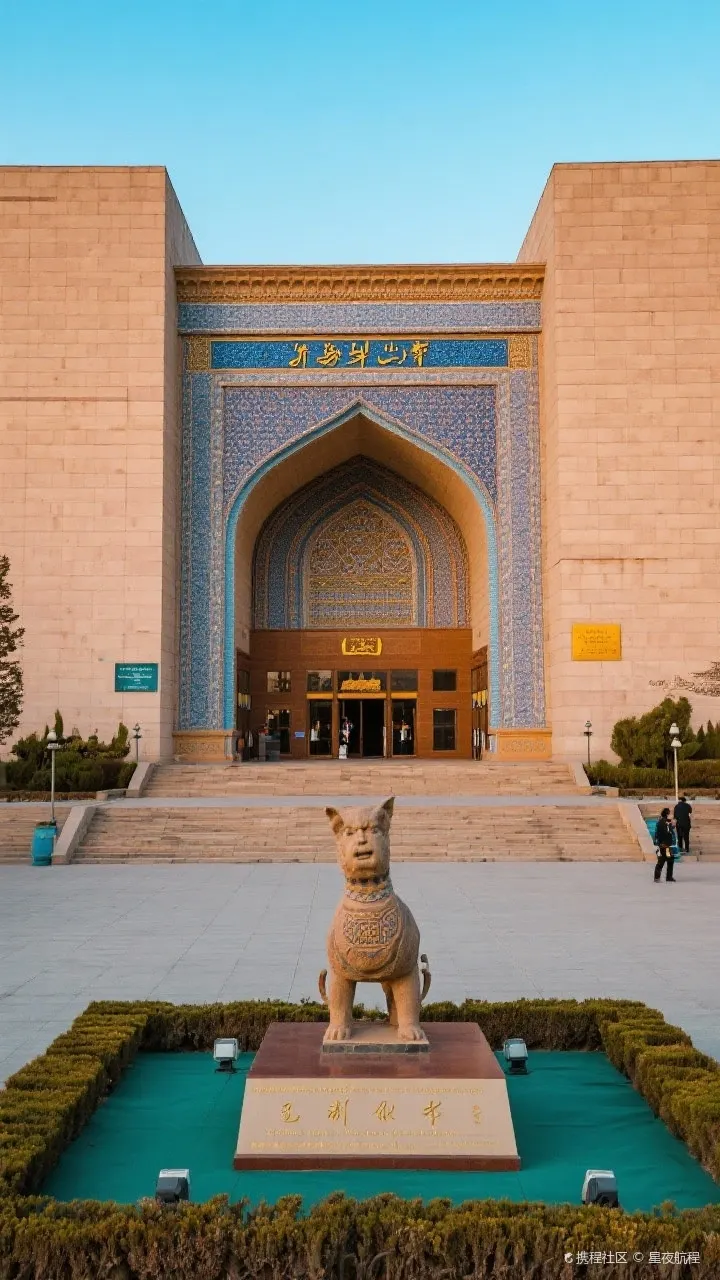
Houses a large collection of Xinjiang historical artifacts, including mummies and Silk Road relics, an important window to understand Xinjiang culture.
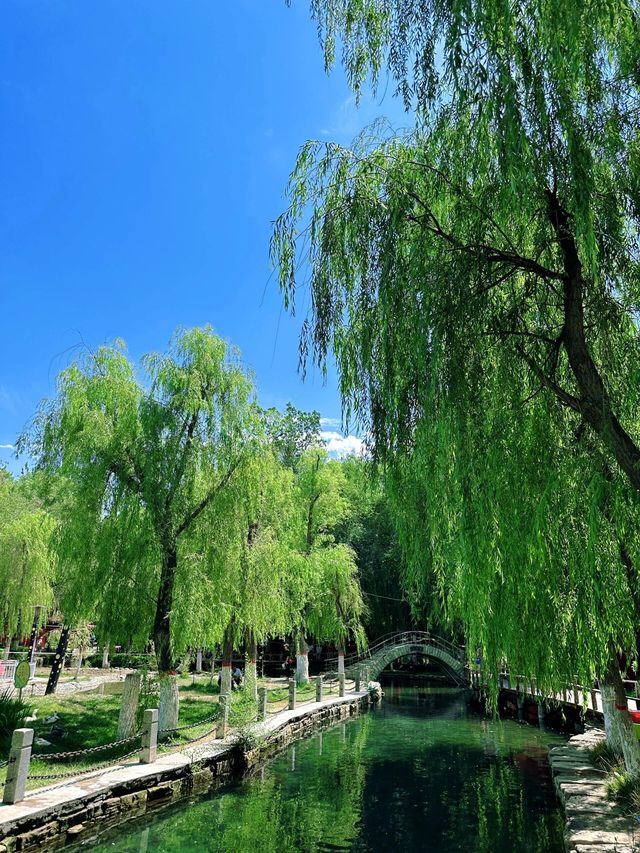
Famous for Shuimogou spring water, ancient trees, and temples, with a tranquil environment, a good place for leisure.
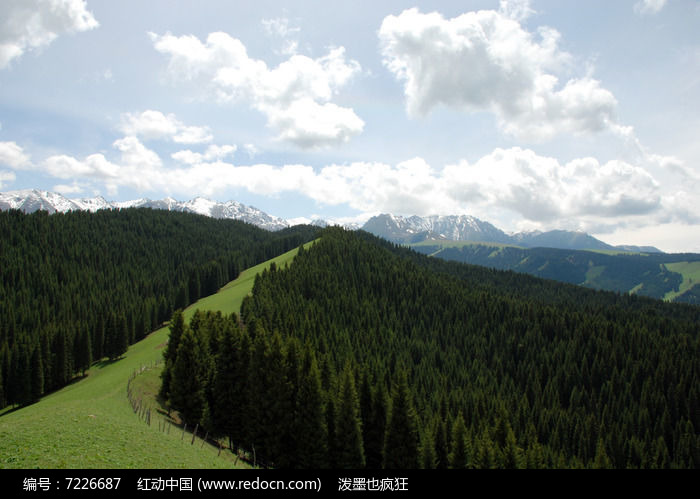
Natural pasture on the northern slope of Tianshan, green grass in summer, skiing in winter, a paradise for outdoor activities.
Stewed with lamb, carrots, onions, and rice, shiny and fragrant, delicious.
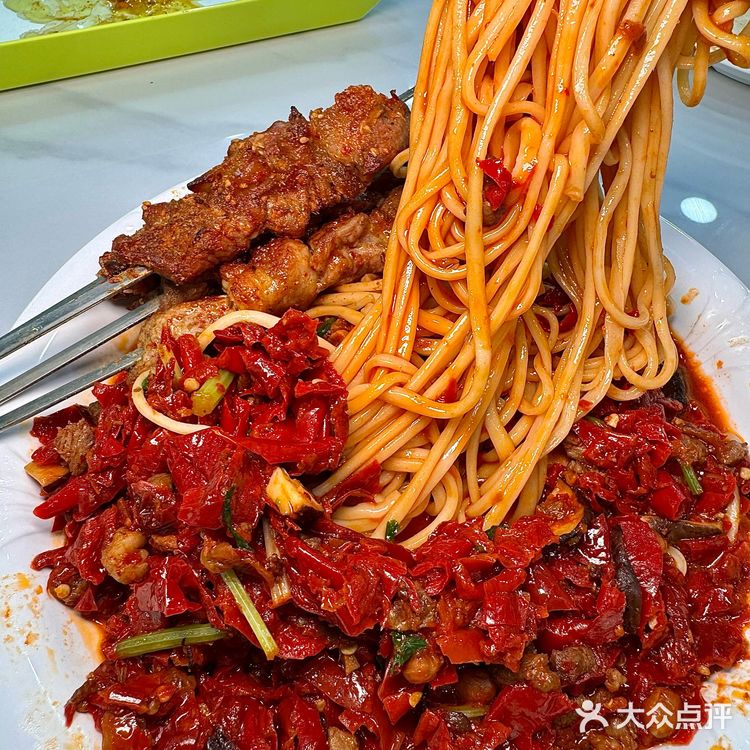
Hand-pulled noodles, chewy and smooth, often served with stir-fried beef or lamb.
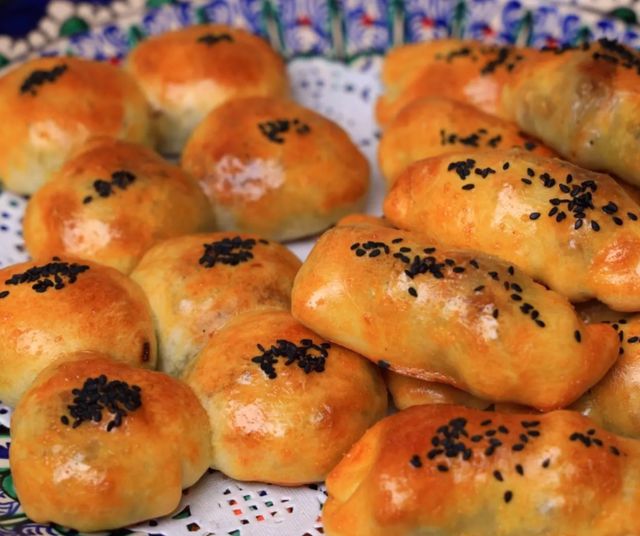
Unleavened dough wrapped with lamb filling, baked in a tandoor, crispy crust, delicious filling.