
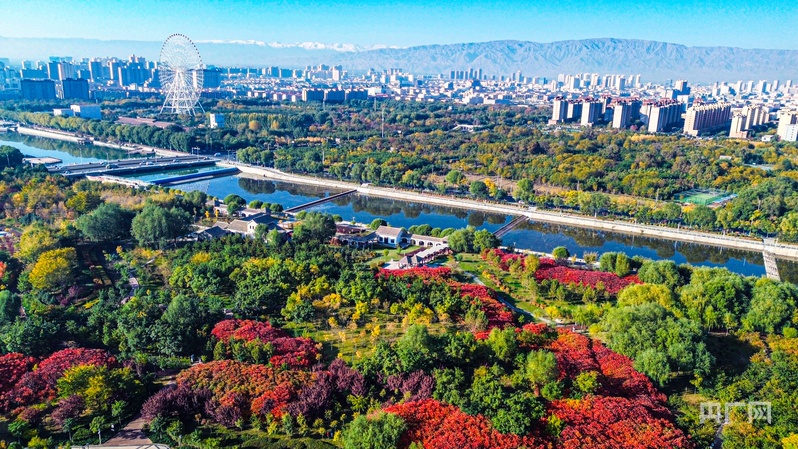
武威位于甘肃省中部、河西走廊东端,地势南高北低,属温带大陆性干旱气候,日照充足,昼夜温差大,年降水量少。
武威古称凉州,是丝绸之路上的重要节点,历史上曾是前凉、后凉、南凉、北凉等政权的都城,素有‘银武威’之称。
武威文化多元,有‘凉州词’、‘凉州贤孝’等非物质文化遗产,美食以‘凉州三套车’(行面、腊肉、冰糖红枣茯茶)最为著名。
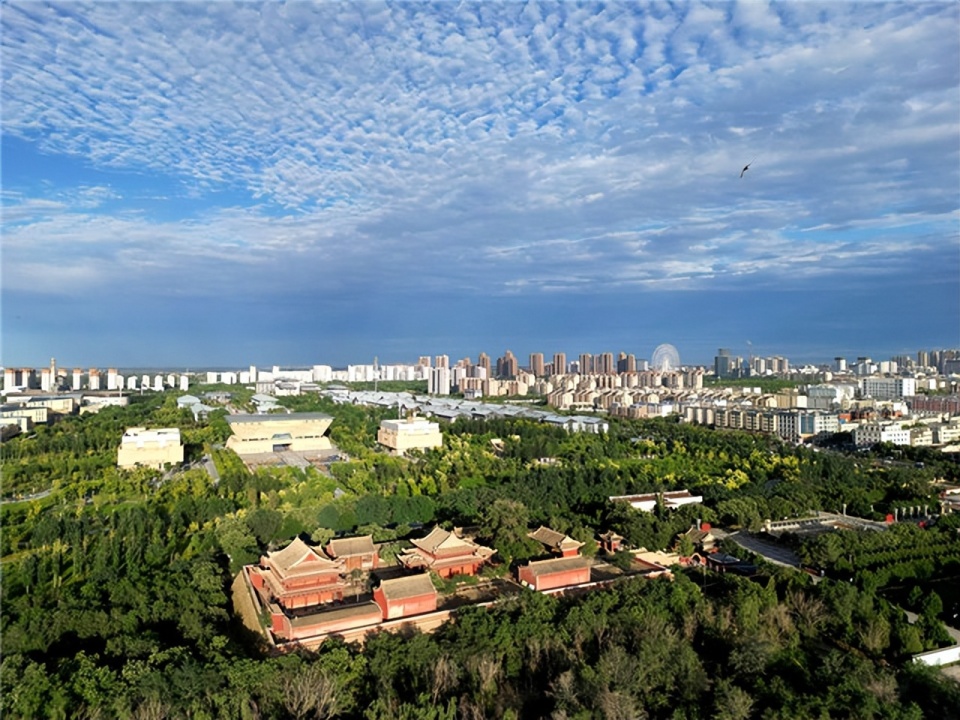
现代武威是甘肃省重要的交通枢纽和商贸中心,大力发展新能源、现代农业和旅游业,城市面貌日新月异。
遊覽武威的最佳時間是最佳旅游时间为5-10月.
春季(3-5月)气温回升,但风沙较多,适合参观博物馆及市内景点。
夏季(6-8月)凉爽宜人,是避暑和游览沙漠绿洲的最佳季节。
秋季(9-10月)天高气爽,瓜果飘香,适合户外活动和品尝水果。
Emperor Wu of Han sent Huo Qubing to defeat the Xiongnu, occupy the Hexi Corridor, and establish Wuwei Commandery, meaning 'displaying the military might of the Han Empire'.
Lü Guang established the Later Liang dynasty, making Wuwei (Guzang) its capital, and Wuwei became the political center of the Hexi region.
The Eastern Han bronze artifact 'Bronze Galloping Horse Treading on a Flying Swallow' was unearthed from the Leitai Han Tomb in Wuwei, now a symbol of China's tourism.
有哪些好玩的好看
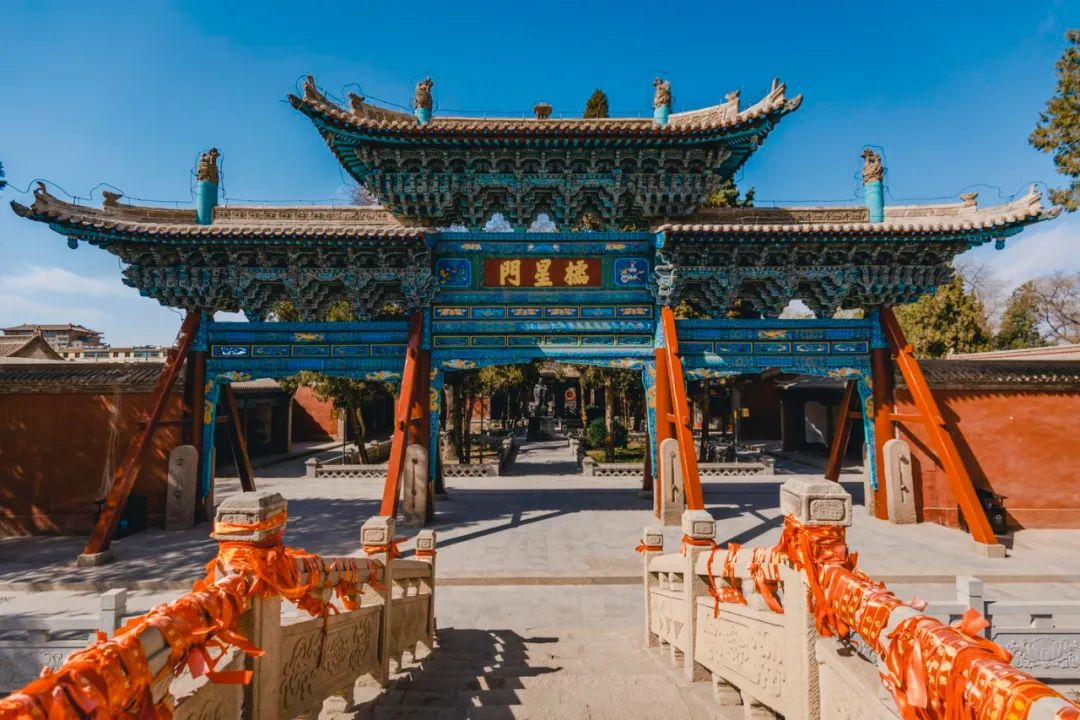
A large brick-and-stone tomb from the Eastern Han Dynasty, where the Bronze Galloping Horse Treading on a Flying Swallow and other precious artifacts were unearthed. It is a Major Historical and Cultural Site Protected at the National Level.
探索豐富的非遺,了解傳統工藝的本質
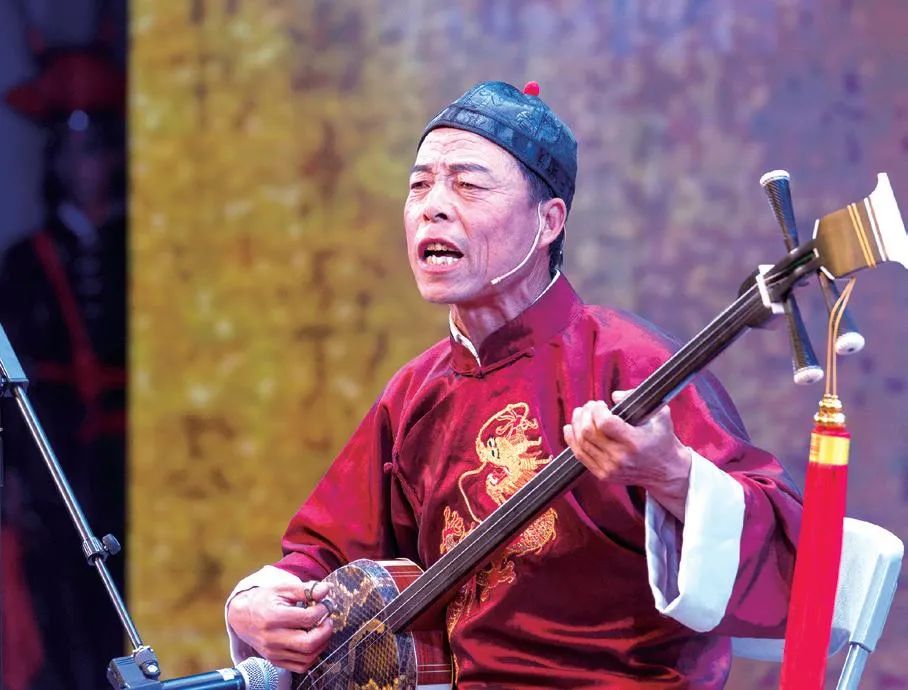
Liangzhou Xianxiao is an ancient folk storytelling art form in the Wuwei area, accompanied by sanxian (three-stringed lute), with lyrics often about filial piety stories. It was inscribed on the National Intangible Cultural Heritage list in 2006.
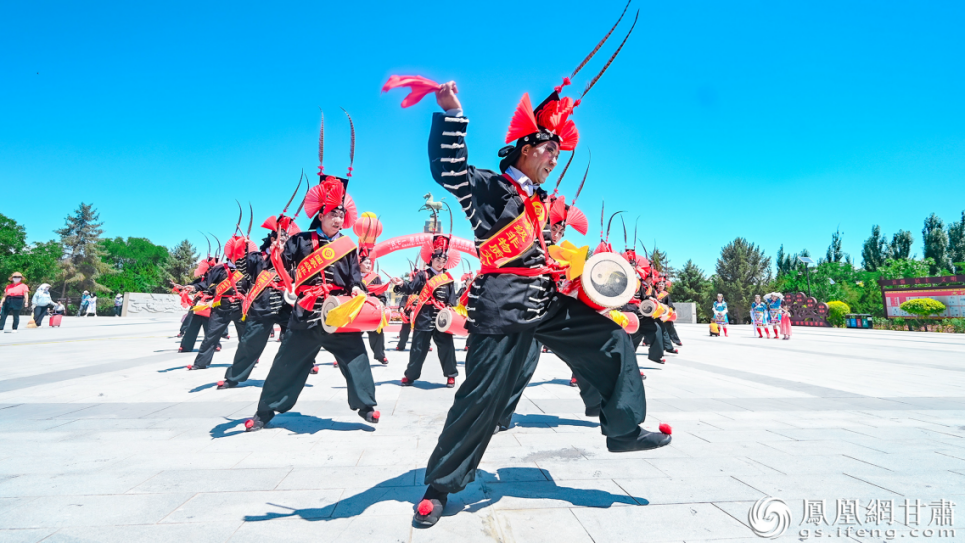
Liangzhou Gong Drum Dance is a traditional dance where performers carry drums and dance while beating them, with vigorous movements and strong Northwestern characteristics.
需要了解的交通方式
Currently, Wuwei does not have an airport. Fly to Lanzhou Zhongchuan Airport or Jinchang Airport, then take a bus or train to Wuwei.
Bus from Lanzhou to Wuwei about ¥60
Wuwei Station in the city center serves conventional trains; Wuwei East Station is a high-speed rail station on the Lanzhou-Zhangye line, providing fast access to Lanzhou, Zhangye, etc.
High-speed rail to Lanzhou about ¥90
City buses cover major attractions with fares of 1-2 yuan; taxi starting fare is 5 yuan, making travel convenient.
Bus 1-2 yuan, taxi starting fare 5 yuan
品嚐最地道、最受歡迎的當地風味
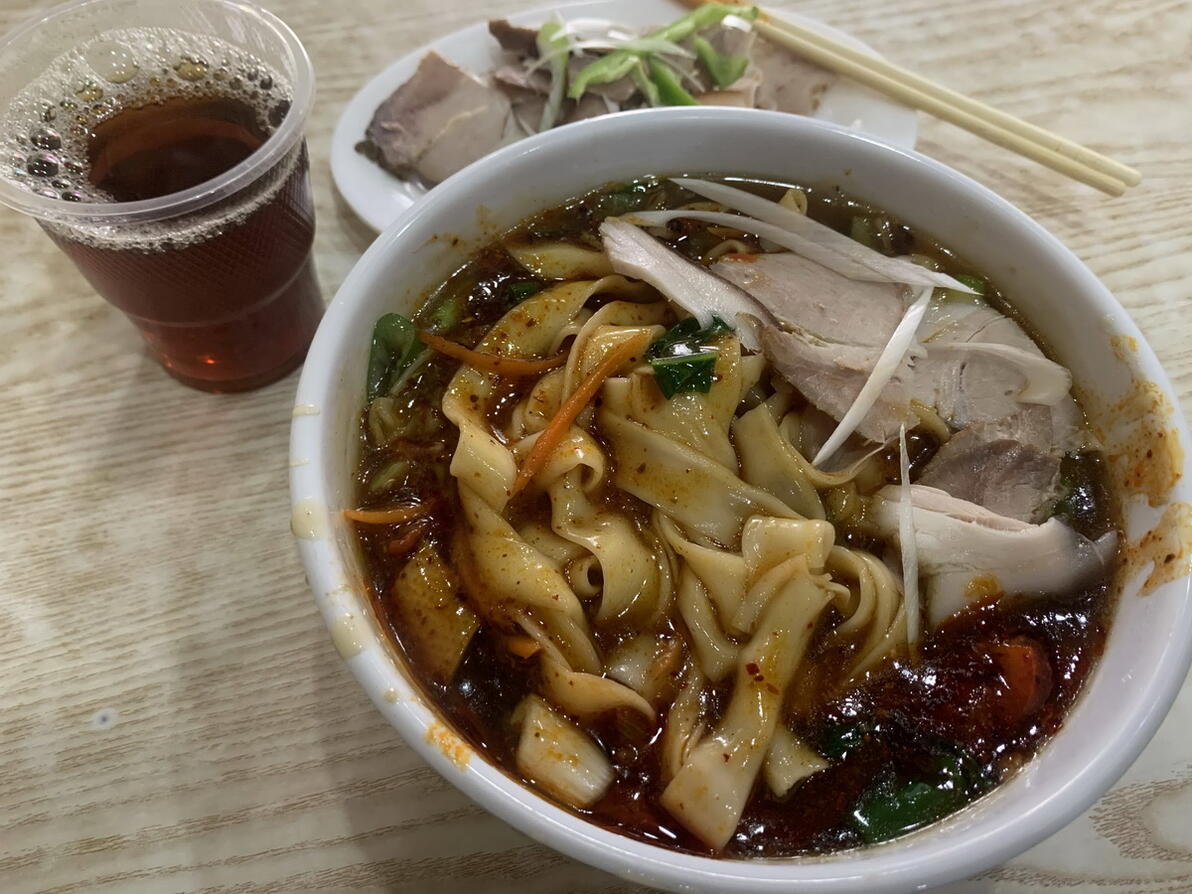
Comprising hand-pulled noodles, cured meat, and rock sugar red date tea, it is the most representative meal in Wuwei. The noodles are chewy, the meat savory, and the tea sweet.
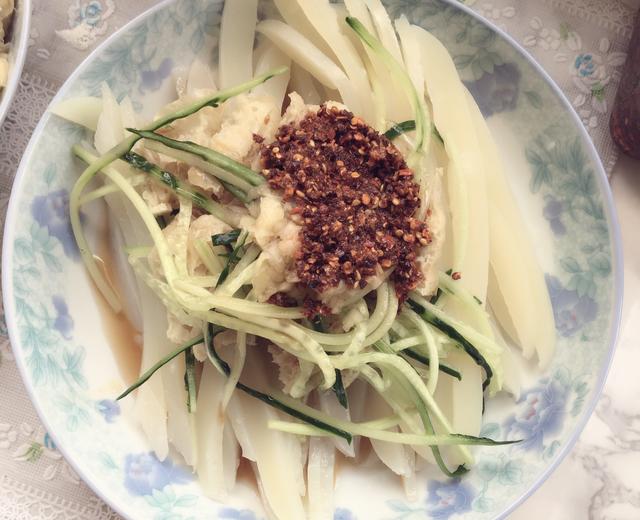
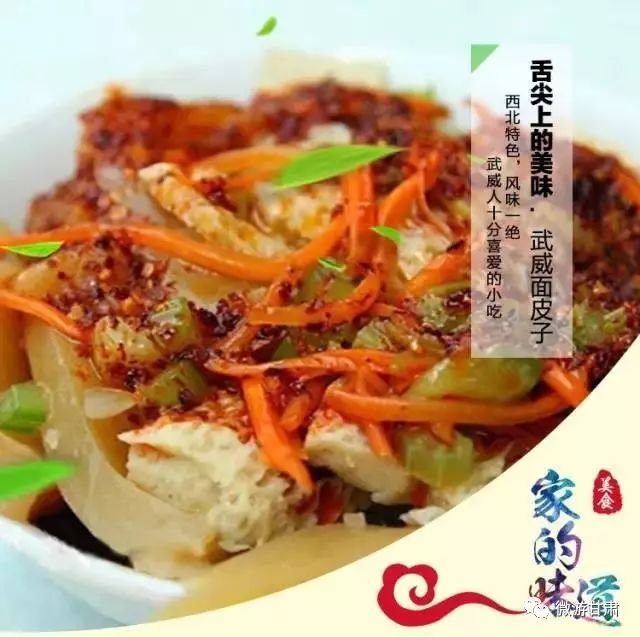
Steamed flour or rice noodles cut into strips, mixed with vinegar, chili oil, and garlic water, smooth and appetizing with a sour-spicy flavor.
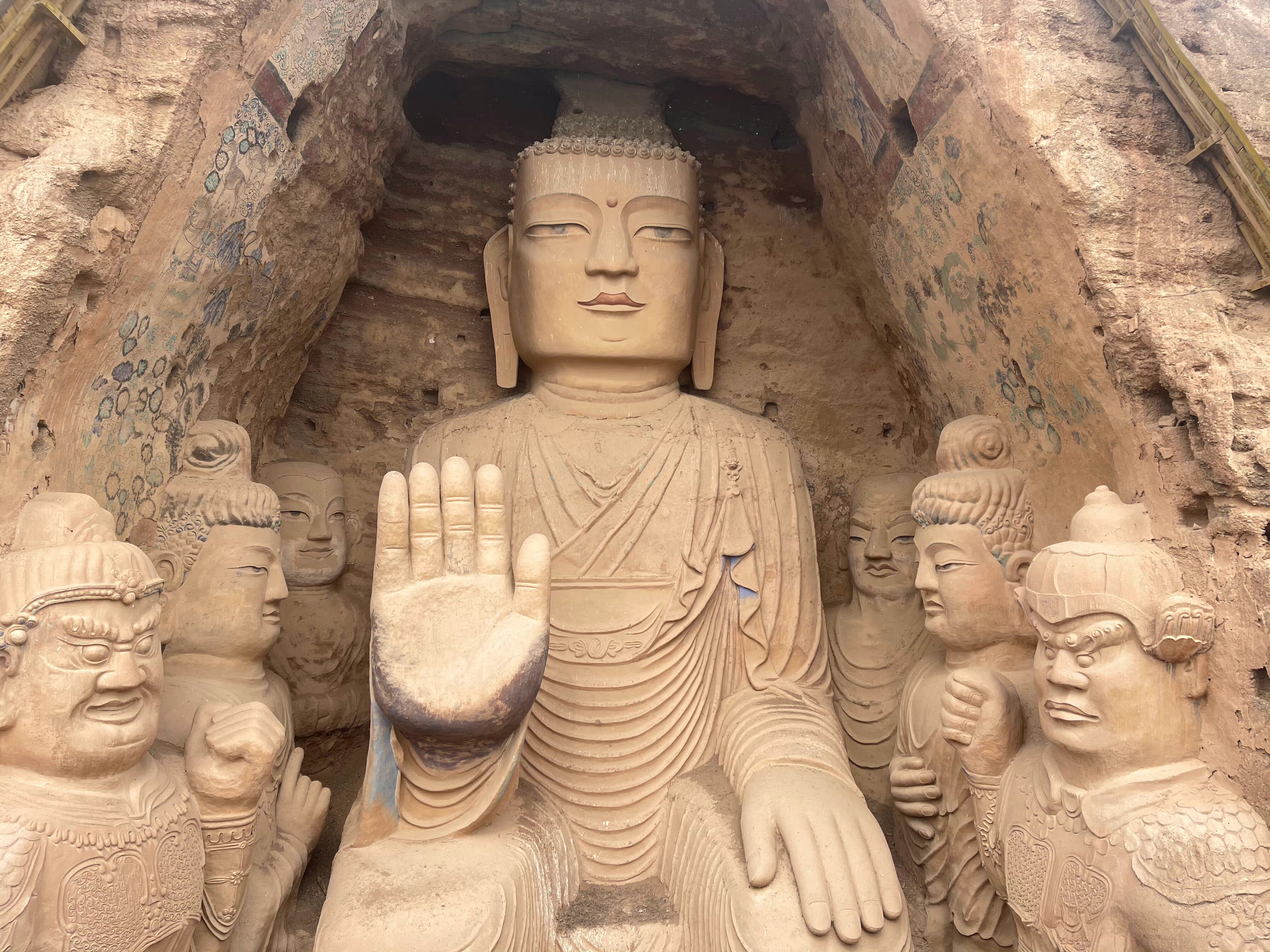
First built in the Northern Liang period, known as the 'ancestor of grottoes', with a 28-meter-tall giant Buddha, an important Buddhist art site.
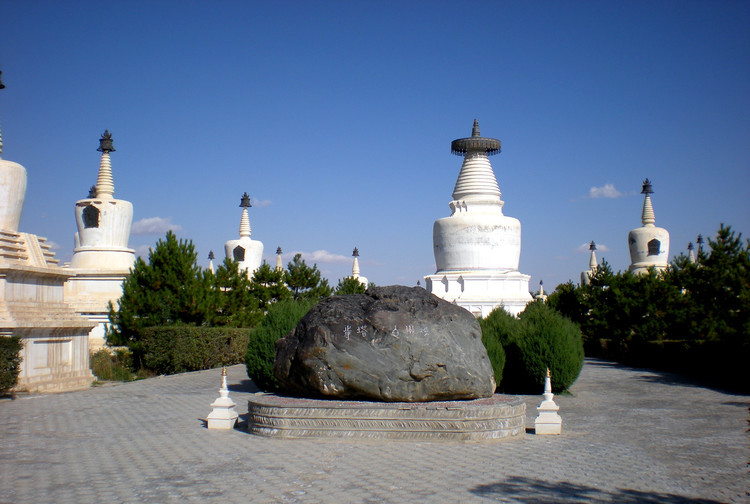
A Tibetan Buddhist monastery housing the stupa of Sakya Pandita from the Yuan Dynasty, a historical witness to Tibet's incorporation into China.

The earliest desert park in China, integrating desert scenery, entertainment, and science education, offering sand sliding and camel riding.
Similar to cold noodles but thicker and chewier, often served with gluten and cucumber strips, topped with special sauce.
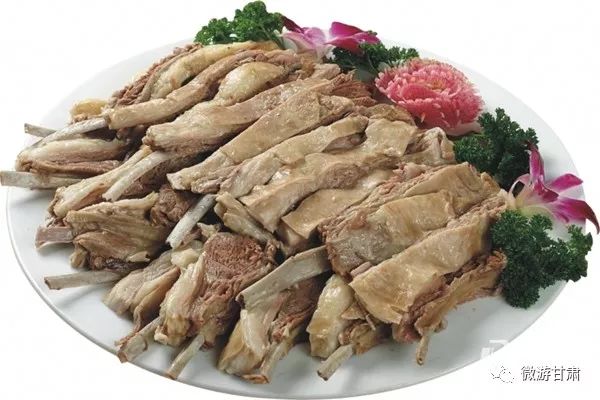
Produced in Minqin County, Wuwei, the lamb is tender and free of gamey smell, can be eaten hand-held, grilled, or in lamb soup with bread.
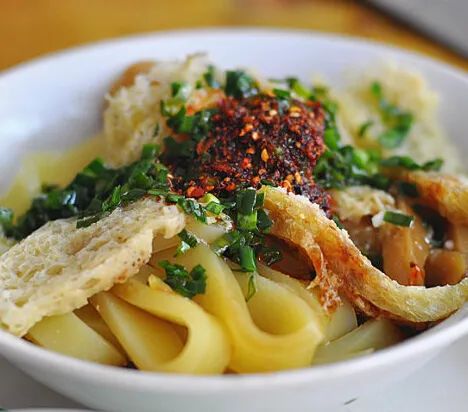
A fermented flour product with a unique sour and fragrant taste, often eaten with garlic paste and chili oil.