
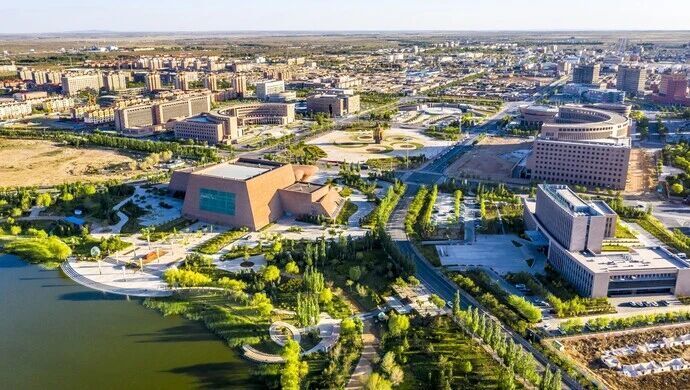
鄂尔多斯位于内蒙古自治区西南部,黄河几字弯南岸,北靠阴山,南接黄土高原。属典型的温带大陆性气候,四季分明,昼夜温差大,年均降雨量少,日照充足。
鄂尔多斯历史悠久,是河套文化的重要发源地。成吉思汗陵坐落于此,这里曾是蒙古帝国政治、经济、文化中心之一。近代以来,因煤炭、天然气等资源开发而迅速崛起。
鄂尔多斯是蒙古族传统文化保留最完整的地区之一,那达慕大会、鄂尔多斯婚礼等民俗活动丰富多彩。美食以手把肉、烤全羊、奶茶、酸奶等草原风味为主,独具特色。
进入21世纪,鄂尔多斯依托丰富的能源资源实现了经济腾飞,被誉为“中国煤都”。同时,城市注重生态建设,康巴什新区成为全国首个以城市景观命名的4A级旅游景区,实现了从“羊煤土气”到“绿色智能”的转型。
Die beste Zeit für einen Besuch in 鄂尔多斯 ist 最佳旅游时间为夏季(6-8月)和秋季(9-10月).
夏季(6-8月):草原绿意盎然,气候凉爽宜人,是那达慕大会举办季节,可以体验蒙古族传统活动。
秋季(9-10月):秋高气爽,草原金黄,沙漠温度适宜,是观赏胡杨林和沙漠景观的最佳时期。
冬季(11-2月):寒冷干燥,但可以体验冰雪那达慕和温泉,游客较少,价格相对优惠。
Genghis Khan died during the campaign against the Western Xia. His mausoleum was enshrined in Ejin Horo Banner, Ordos, becoming a pilgrimage site for Mongols.
With the approval of the State Council, the Yikezhao League was abolished and the prefecture-level city of Ordos was established, marking a new stage of urban development.
Ordos began to transform from a coal-dependent economy to a diversified one, while vigorously carrying out ecological governance. Kangbashi New District became a model of green development.
Interessante Dinge zu sehen
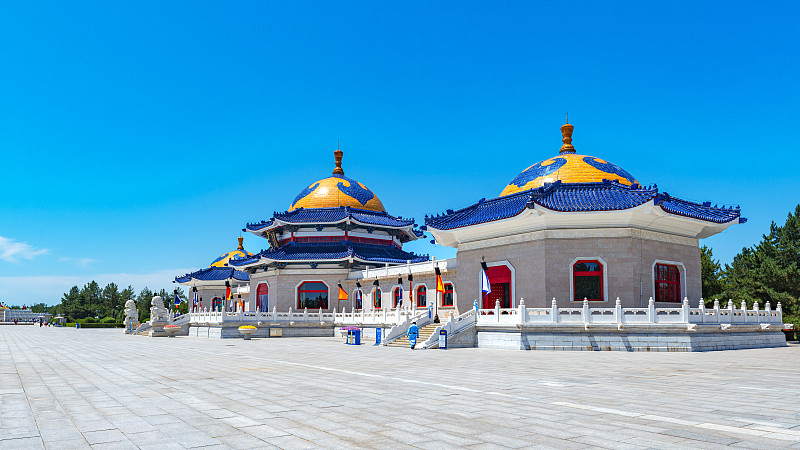
Located in Ejin Horo Banner, it is the cenotaph of Genghis Khan and a pilgrimage site for Mongols. The main building consists of three yurt-style halls, magnificent in scale.
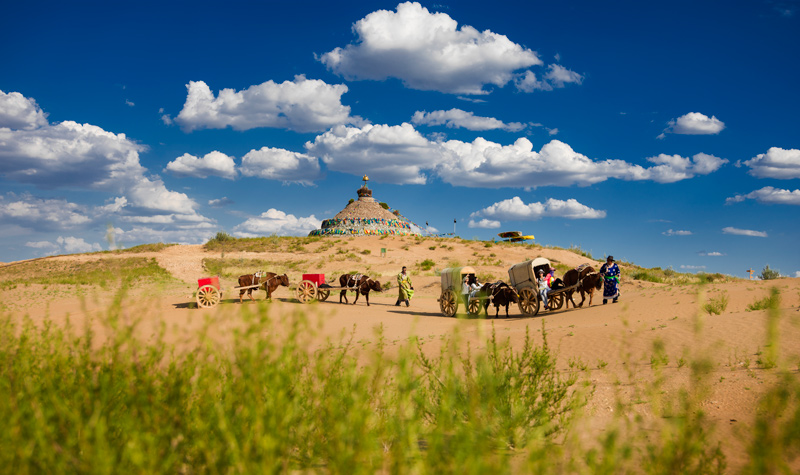
Located at the eastern end of the Kubuqi Desert in Dalad Banner, named for the sound made by sand. It integrates desert sightseeing, sand sliding, desert off-roading and other entertainment.
Erkunden Sie das reiche immaterielle Erbe und verstehen Sie das Wesen traditioneller Handwerke
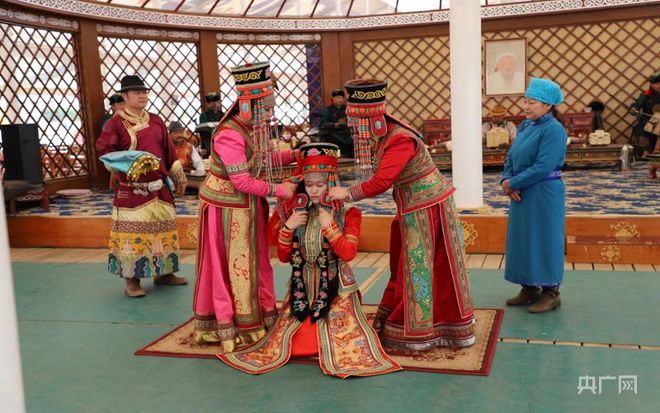
Traditional Mongolian wedding ceremony, including proposal, engagement, wedding, and return visit, accompanied by singing and dancing, grand in scale. Listed as a national intangible cultural heritage in 2006.
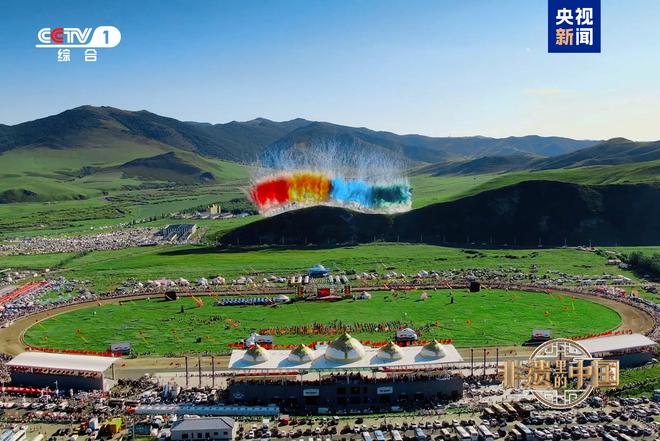
Traditional Mongolian sports and entertainment activities, including horse racing, wrestling, archery, etc., an important carrier of Mongolian culture. Listed as a national intangible cultural heritage in 2006.
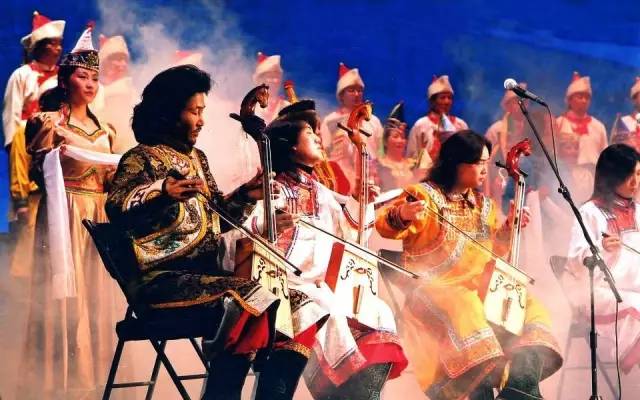
The horsehead fiddle is a representative Mongolian instrument, its music melodious and deep, expressing grassland emotions. Listed as a national intangible cultural heritage in 2006.
Verkehrsmittel, die Sie kennen sollten
Located in Ejin Horo Banner, about 15 km from the city center. It operates many domestic and international routes, including major cities like Beijing, Shanghai, Xi'an, Guangzhou.
Airfare varies by season and route
Located in Kangbashi New District, it is an important station on the Baotou-Xi'an high-speed railway. Direct trains to Hohhot, Baotou, Xi'an, Beijing, etc., convenient.
High-speed rail fare: to Hohhot about 1 hour, about 100 RMB; to Beijing about 5 hours, about 300 RMB
City buses cover major urban areas. In addition, there are tourist shuttles to attractions such as the Mausoleum of Genghis Khan and Xiangshawan, convenient for tourists.
Bus fare starts from 2 RMB, tourist shuttle fare 10-30 RMB
Probieren Sie die authentischsten und beliebtesten lokalen Aromen
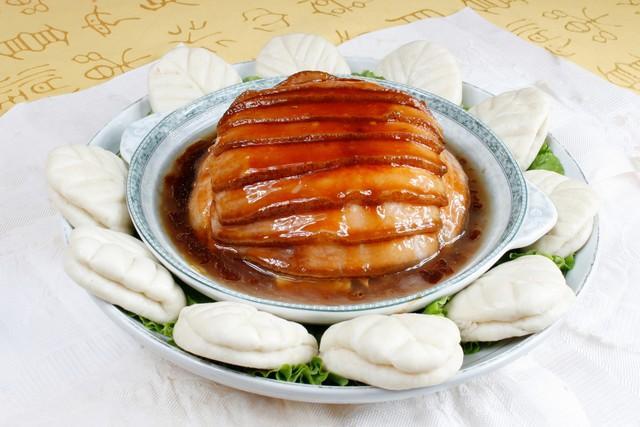
Traditional Mongolian cuisine, using grassland lamb, boiled until about 70-80% done, eaten by cutting with a knife, tender and delicious.
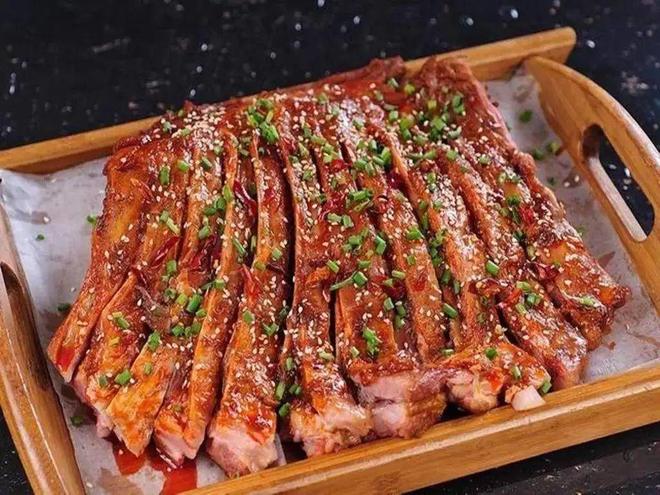
A famous feast dish of Mongolians, the whole lamb is roasted until the skin is crispy and the inside is tender. It is a must for major festivals and VIP receptions.
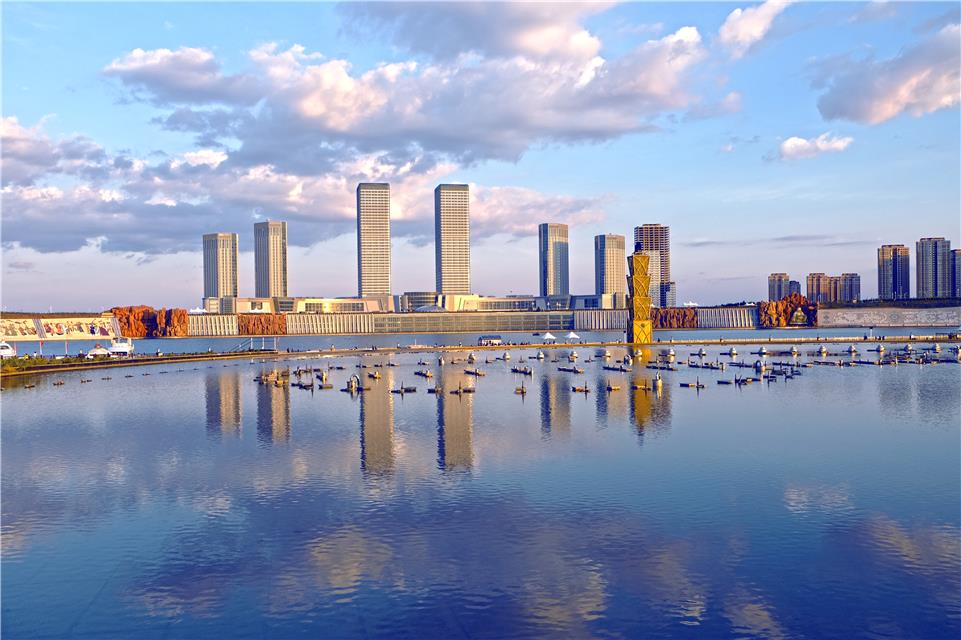
The new urban area of Ordos, rated as a national 4A-level tourist attraction for its overall urban landscape. It features Ulan Mulun Lake, Genghis Khan Square, etc.
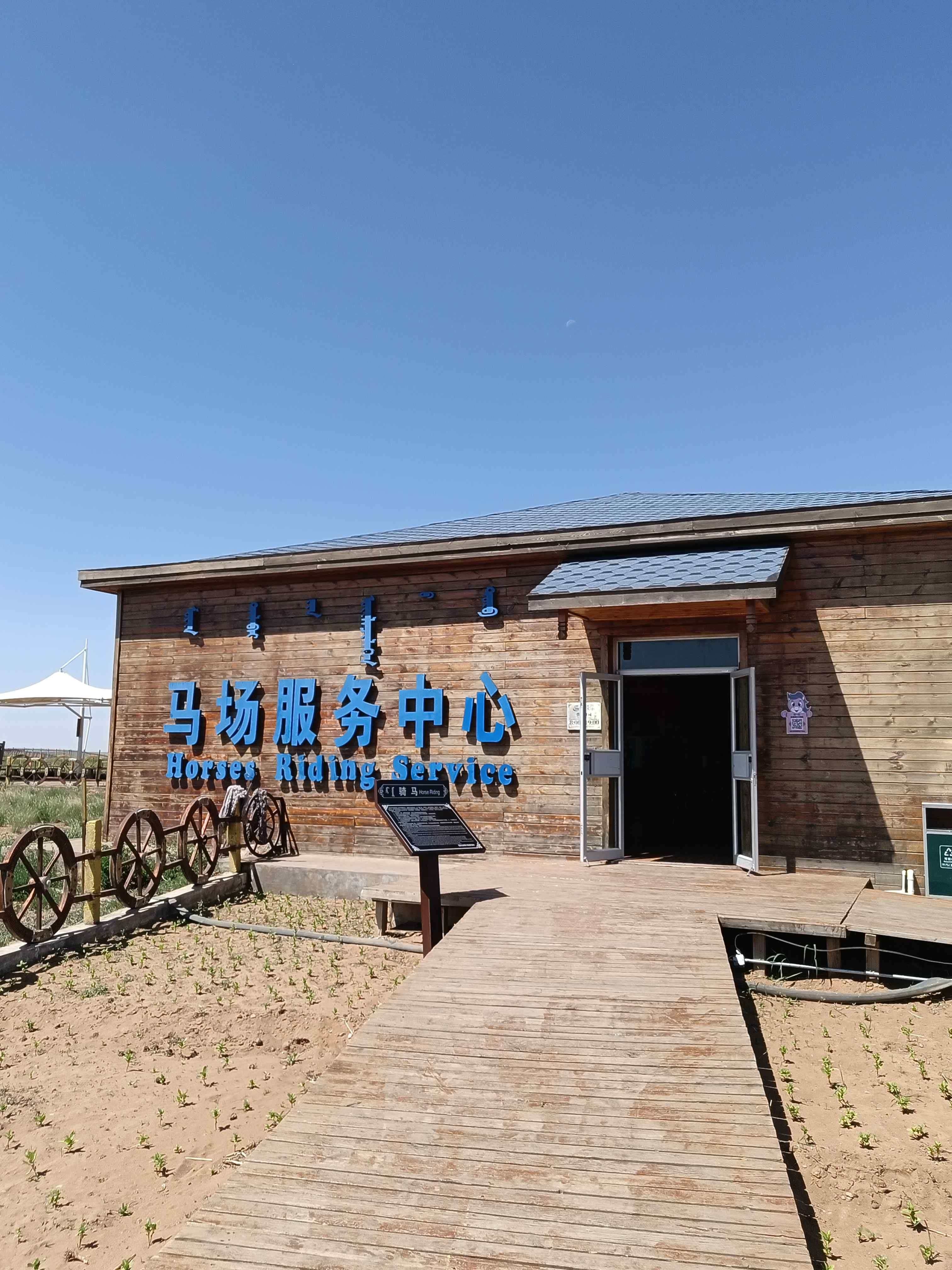
Located in Hanggin Banner, it is a typical Mongolian nomadic grassland. You can experience horse riding, archery, staying in yurts, and watching the sunset on the grassland.
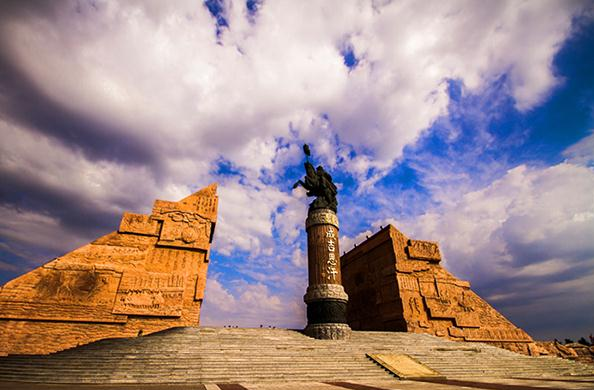
Centered on the Mausoleum of Genghis Khan, it includes historical and cultural areas, grassland sightseeing areas, etc., showcasing Mongolian history and the life of Genghis Khan.
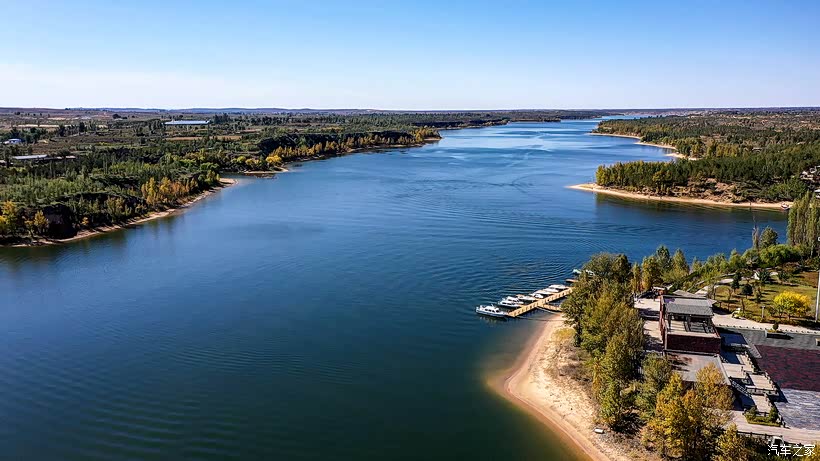
Located in Uxin Banner, it is a late Paleolithic site, known as the hometown of the 'Hetao people', with significant archaeological value.
Daily drink of Mongolians, made by boiling brick tea and fresh milk, adding fried rice, milk skin, butter, etc., salty and delicious.
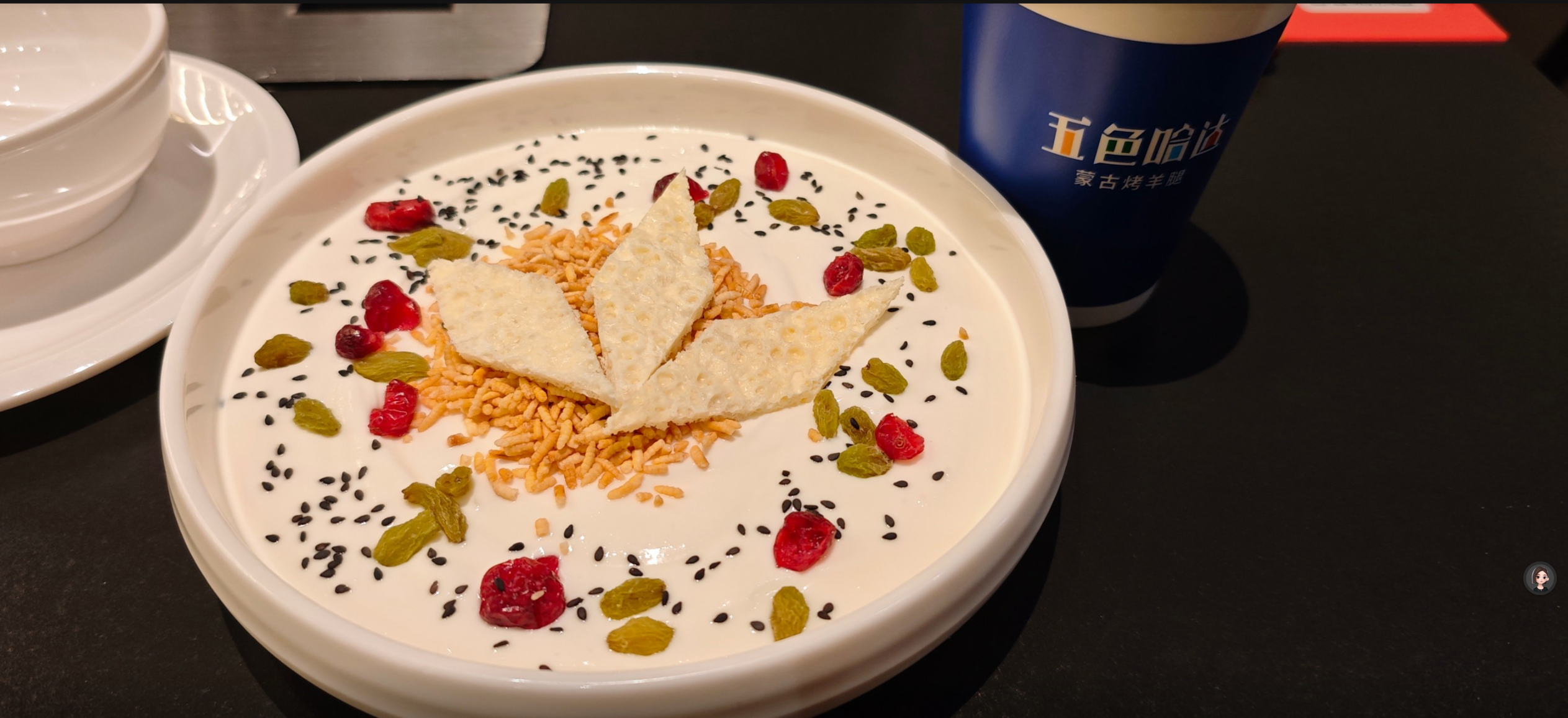
Traditional Mongolian yogurt, rich and sweet-sour taste, helps digestion, often served as a dessert after meals.
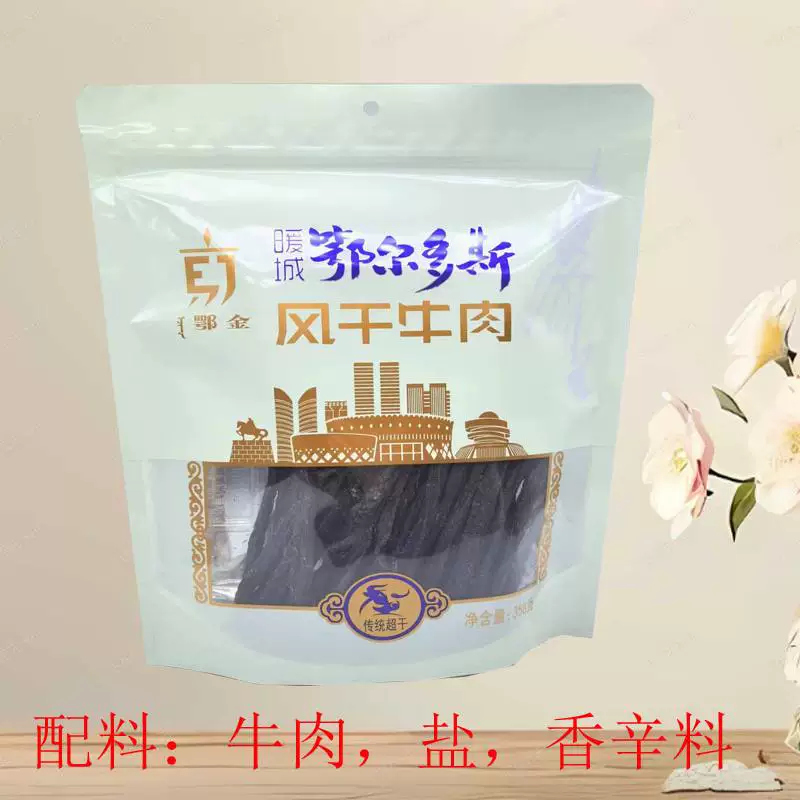
Traditional Mongolian way of preserving meat, beef is marinated and air-dried naturally, chewy and long-lasting.
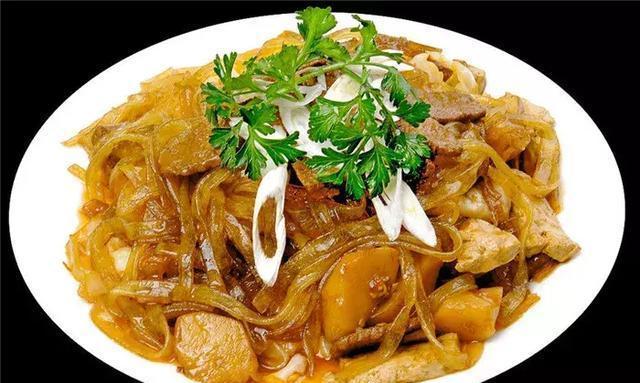
Local specialty stew, mainly with potatoes, vermicelli, cabbage, tofu, etc., adding lamb or pork and simmering slowly, rich in flavor.